This category has been viewed 51262 times
Healthy Indian Recipes > Healthy Indian Acidity recipes > Acidity Friendly Sabzi
13 Acidity Friendly Sabzi Recipes
Last Updated : 15 December, 2025
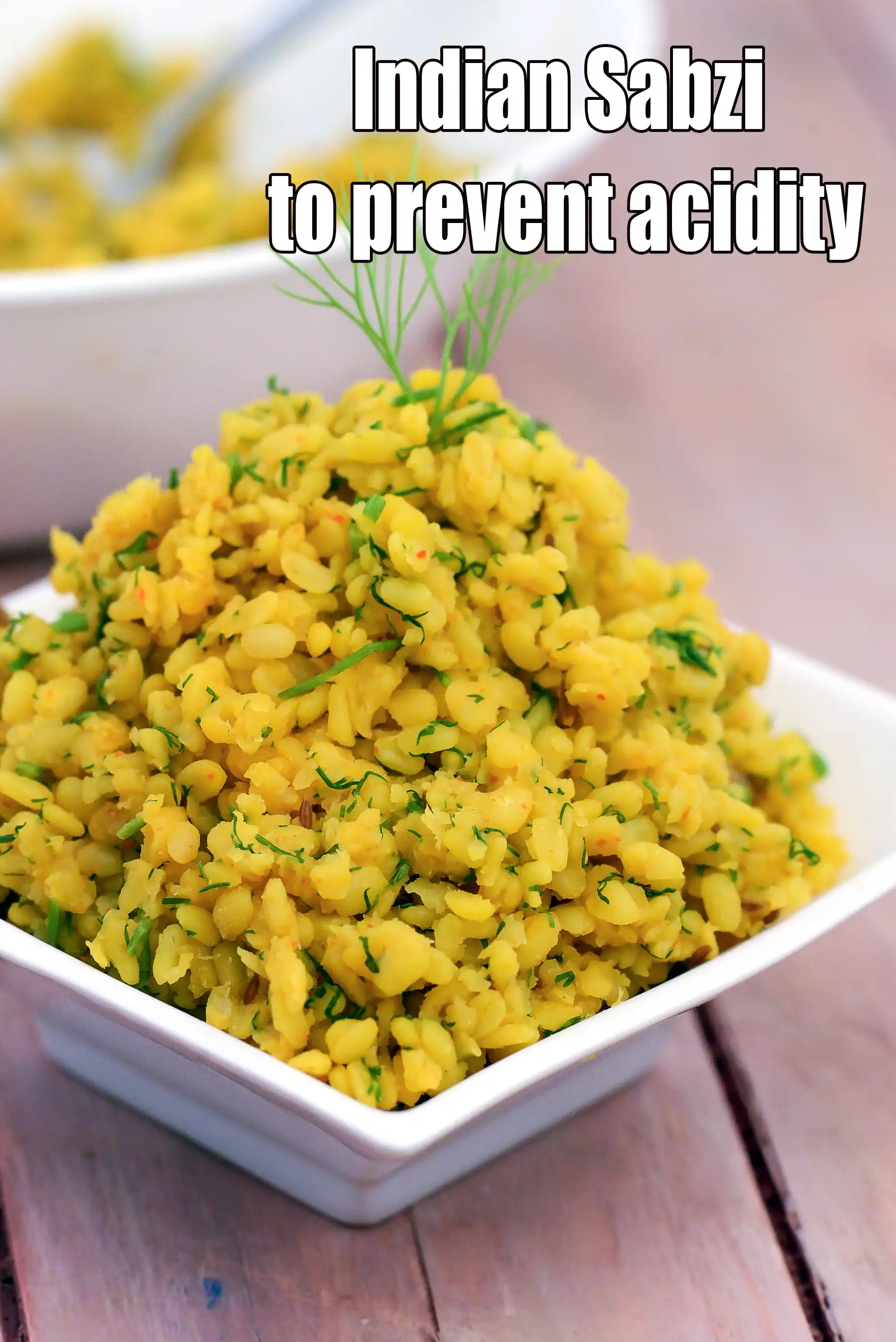
Table of Content

Indian Sabzi to prevent acidity | Stomach-Friendly sabzi |
Acidity Sabzi: A Complete Guide to Comforting, Stomach-Friendly Vegetables
Acidity sabzi refers to mixed or individual vegetable dishes prepared in a way that is gentle on the stomach and helps reduce acid reflux, heartburn, and GERD symptoms. Choosing the right vegetables, cooking techniques, and avoiding overly spicy or oily preparations can make a big difference for people with sensitive digestion. Vegetables that are high in water content, fiber, and alkaline minerals — such as cucumber, pumpkin, ridge gourd, and leafy greens — help neutralize stomach acid and support digestion.
Leafy greens that supports acidity
Leafy greens that are gentle, non-spicy and more alkaline can help reduce or prevent acidity when cooked softly and eaten with light seasoning. Common Indian leafy greens in this group include: palak (spinach), methi leaves (fenugreek leaves), chawli bhaji (cowpea leaves), amaranth leaves (chaulai / lal saag / rajgira bhaji), bathua , dil leaves (shepu / suva bhaji, in moderate quantity), coriander leaves (hara dhania), mint leaves (pudina, in small amounts), and lettuce; all are best for acidity when cooked lightly, made less oily and less spicy, and combined with other non-acidic foods.
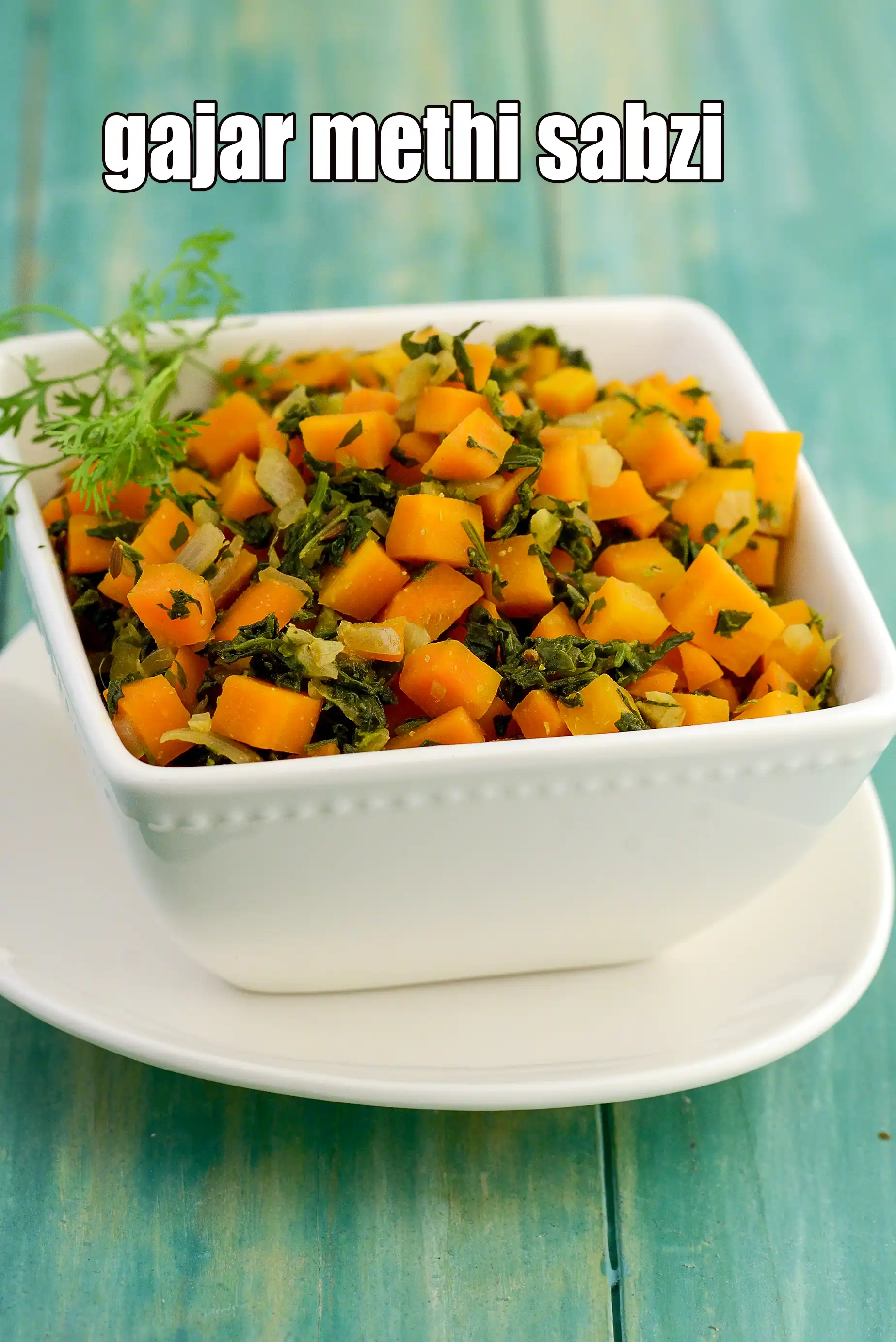
Traditional Indian cuisine offers a variety of acidity-friendly sabzis that are mild, nutritious, and easy to digest. According to Tarla Dalal’s collection of recipes created to reduce acidity, subzis like Pyazwali Bhindi, Kaddu ka Bharta, Chawli Bhaji, Gajar Methi Sabzi, and Moong Dal Methi Sabzi are good options for a gentle stomach. These sabzis are typically made with simple tempering, minimal oil, and a focus on vegetables that are less likely to trigger acid production.
Why Choose Acidity Friendly Sabzi
Vegetables that are high in fiber help regulate digestion and soften stools, preventing the gastric pressure that can worsen acidity. Alkaline or water-rich vegetables like bottle gourd (lauki) or ridge gourd (torai) are soothing and cool the digestive tract. Similarly, pumpkin, carrot, and peas provide bulk and gentle energy without aggravating acid reflux.
Mild cooking methods — such as steaming, sautéing with minimal oil, and slow simmering — are recommended for acidity control. Avoiding heavy frying or excessive spices reduces the likelihood of irritating the stomach lining. Using ingredients like cumin, ginger, and hing (asafoetida) in light tempering can further aid digestion and help prevent gas and bloating.
Below are 20 acidity-friendly sabzi recipes, grouped into 4 categories, with brief reasons why each is soothing and suitable for those prone to acidity.
✅ 1. Mild & Cooling Vegetable Sabzi for acidity
(These are high in water content and fiber, and easy on the stomach.)
- Gavarfali ki Sukhi Sabzi (Cluster Beans) – Fiber-rich and gentle on digestion. Reduce chilli powder and onions used in recipe.
- Pyazwali Bhindi – Okra’s mucilage can soothe the gut. Pyazwali Bhindi is generally acceptable for those managing acidity, but caution is advised due to specific ingredients. Ladies finger (Bhindi) itself is a mild vegetable and is usually acidity-friendly. The addition of mustard seeds, turmeric, and especially kokum—which is known for its cooling and digestive benefits—makes this dish potentially soothing. However, the presence of chopped onions (1 cup) and green chillies (2 tsp) can sometimes trigger acidity in sensitive individuals. To ensure it is truly acidity-friendly, it is best to significantly reduce the quantity of green chilliesand use less onion or sauté them until they are very soft, as excessive consumption of these spices and raw/lightly cooked irritants can occasionally aggravate reflux.
- Cabbage Masala – Cabbage is alkaline and easy to sauté. Cabbage Masala can be considered relatively acidity-friendly for many people because cabbageis high in fiber, low in fat, and known to help soothe the digestive tract, while coconut oil, cumin seeds, mustard seeds, curry leaves, and turmeric powder generally support better digestion and may reduce inflammation when used in small amounts. However, those with acid reflux or sensitive stomachs should watch the quantity of onion, green chillies, and tomato, as these ingredients can sometimes trigger acidity; to make the dish milder, reduce or skip the green chillies, use fewer onions, and cook the tomatoes well so the final Cabbage Masala is soft, less spicy, and easier on the stomach.
- dudhi and chana dal sabzi (Bottle Gourd) – Extremely hydrating and cooling. Dudhi and Chana Dal Sabzi is generally a good option for acidity because bottle gourd (doodhi / lauki) is light, alkaline-forming and known to help prevent acidity, while chana dal provides fiber and protein that support better digestion when well-soaked and cooked soft. The use of whole spices like cumin seeds, cinnamon, black cardamom, star anise, and fenugreek leaves can aid digestion, but those with sensitive acidity should moderate oil, onion, green chilli paste, chilli powder, and garam masala, and rely more on turmeric, bottle gourd, and chana dal, keeping the sabzi less spicy and mildly seasoned to make it more acidity-friendly.
✅ 2. Leafy Green & Gentle Sabzi
(Leafy greens provide micronutrients and fiber with minimal acidity risk.)
- Moong Dal Methi Sabzi – Fenugreek and moong dal combine fiber and mild bitterness for digestion.
- Carrot Methi Sabzi – Carrots and fenugreek are soothing and nutrient-dense.
- Palak Corn Sabzi – Alkaline and rich in iron. The base ingredients spinach (palak) and sweet corn are generally gentle, nutrient-dense and not very acidic, while small amounts of ghee and cumin seeds (jeera) are usually well tolerated and can support digestion. reduce or skip the green chillies, chilli powder, and garam masala, use less garlic, keep ghee and fresh cream minimal, and cook the palak well so it is soft and easy to digest.
Hariyali Matar Sabzi – Peas and greens are gentle on the digestive tract. To make Hariyali Mutter more acidity‑friendly, reduce or skip the green chillies, use less garlic and ginger, keep lemon juice very mild or add only a few drops at the end, and cook the gravy well so it is smooth and not too spicy, pairing it with soft phulkas rather than fried breads.
✅ 3. Root & Comforting Vegetable Sabzis
(These are mildly spiced, fiber-rich, and soothing for digestion.)
- Grated Cauliflower with Peas – Cauliflower is alkaline and combos well with peas. Reduce use of spices,
- Tendli Matki Sabzi – Ivy gourd + sprouts give fiber and easy digestion. Reduce use of spices and onions.
- Mooli Sabzi – Radish is cooling and supports digestion. Reduce oil and chilli powder to what suits you.
- dahi Bhindi with Minimal Spices – Prevents excessive acidity.
✅ 4. Legume & Mild Protein Sabzis
(Lentils and legumes help form a balanced, acid-neutral meal.)
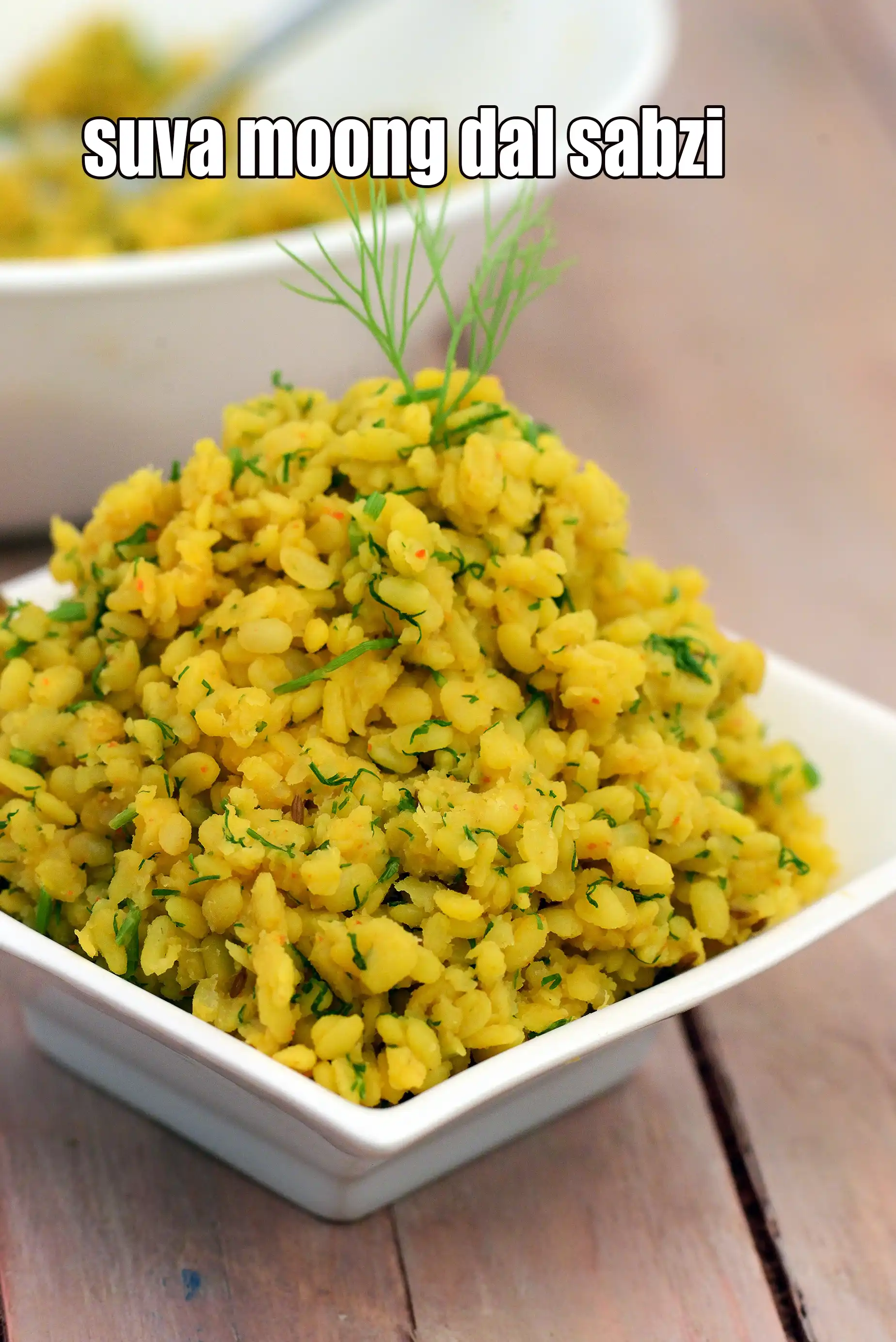
- Suva Moong Dal Sabzi – Suva Moong Dal Sabzi is generally acidity-friendly and a good choice for sensitive stomachs due to its primary ingredients. Yellow Moong Dal is known to be the easiest legume to digest and is often recommended during digestive distress, as it is naturally alkaline-forming. Dill leaves (Suva) are traditionally used for their carminative properties(reducing gas and bloating) and are considered soothing for the gut.
- moong dal suva sabzi– Yellow moong dal is known for being easily digestible, alkaline-forming, and the least gas-producing of all lentils, making it highly stomach-friendly. Dill leaves (Suva) are traditionally used to aid digestion and reduce flatulence.
- cabbage poriyal– Cabbage Poriyal is generally considered very good and acidity-friendly. Cabbage is a low-acid vegetable, rich in fiberand high in water content, which helps to soothe the stomach lining and aid gentle digestion. The recipe utilizes a minimal amount of oil (coconut oil is a healthy fat option)
- fansi dhokli : The base dhokli uses besan and whole wheat flour, which, when properly cooked and simmered, are mild and provide beneficial fiber. The main vegetable, French beans (fansi), is a low-acid vegetable that supports digestion. Reduce use of spices.
- turiya mag ni dal : Turiya Mag ni Dal is generally considered a very good choice for individuals seeking an acidity-friendly meal. The main components, ridge gourd (turai) and yellow moong dal, are both known to be mild, alkaline, and easy to digest, making them soothing for the stomach.Reduce use of spices.
Tips for Making Sabzi Acidity Friendly
✔ Use minimal oil—prefer light sautéing or steam-frying.
✔ Avoid heavy frying or deep frying, which slows digestion.
✔ Reduce hot spices and chillies; instead use cumin, ginger, hing.
✔ Include cooling veggies like cucumber and bottle gourd.
✔ Serve with curd rice or khichdi, which are soothing and help balance acids.
Be Aware
While sabzis can soothe acidity, avoid combining them with very sour ingredients (excess tamarind or citrus) or deep-fried foods, which can trigger acid reflux. Learning which vegetables help neutralize acid and pairing them with gentle cooking methods can make “acidity sabzi” not only delicious but health-promoting for long-term gut comfort.
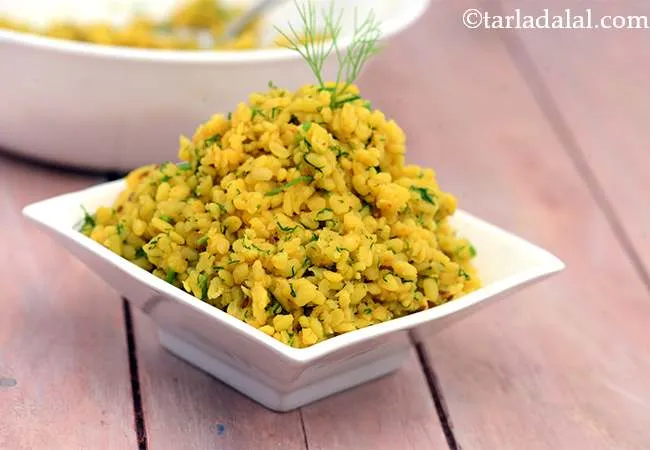
Suva Moong Dal Subzi
And, of course, the alkaline ingredients in them will help shoo away your Acidity. So delicious and so perfect to be served with your favourite Rotis and Dal!
Acidic Foods to be Limited or Avoided, Acid Reflux Foods to be Avoided
| 1. | Coffee | 20. | Noodles |
| 2. | Alcohol | 22. | Rawa |
| 3. | Vinegar | 23. | Maida |
| 4. | Aerated Beverages | 24. | Poha |
| 5. | Spicy Foods | 25. | Cheese |
| 6. | MSG (Mono Sodium Glutamate) | 26. | Paneer |
| 7. | Idlis, (Fermented Foods) | 27. | Mayonnaise |
| 8. | Dosas, (Fermented Foods) | 28. | Butter |
| 9. | Appams, (Fermented Foods) | 29. | Walnuts |
| 10. | Rasgulla | 30. | Peanuts |
| 11. | Gulab Jamun | 31. | Processed Fruit Juices |
| 12. | Chikki | 32. | Canned Fruits |
| 13. | Pedas | 33. | Tuvar Dal |
| 14. | Ladoo | 34. | Soybeans |
| 15. | Sugar | 35. | Besan |
| 16. | Artificial Sweeteners | 36. | Rice |
| 17. | Eggs | 37. | Cooked Spinach |
| 18. | Bread | 38. | Oats |
| 19. | Pasta |
What Vegetables help prevent acidity?
1. Cabbage
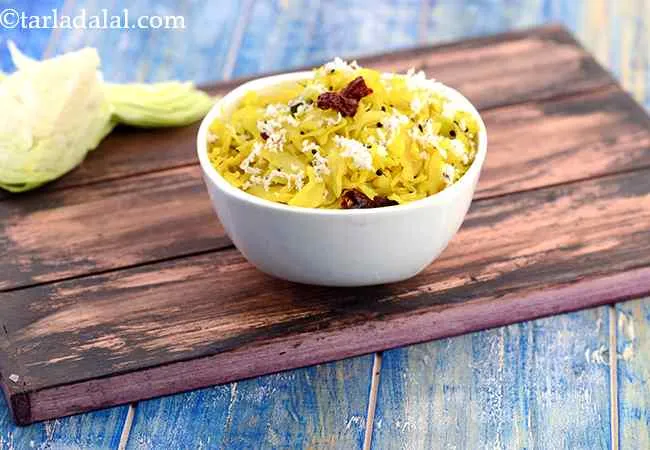 Cabbage Poriyal
2. Brinjal
4. Mushrooms
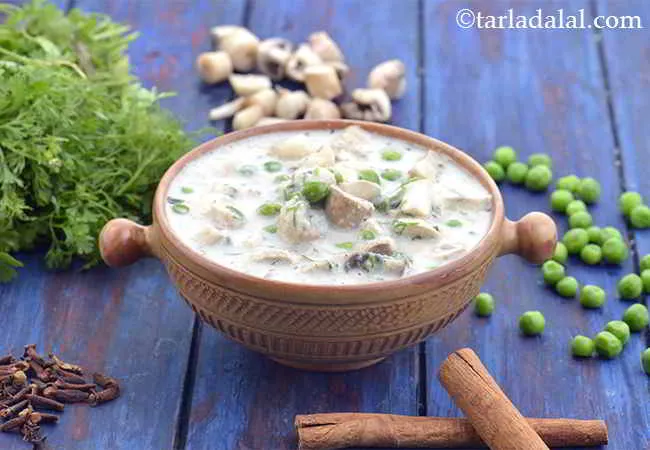
Mushroom Mutter Masala
5. Radish
6. Tomatoes
7. Broccoli
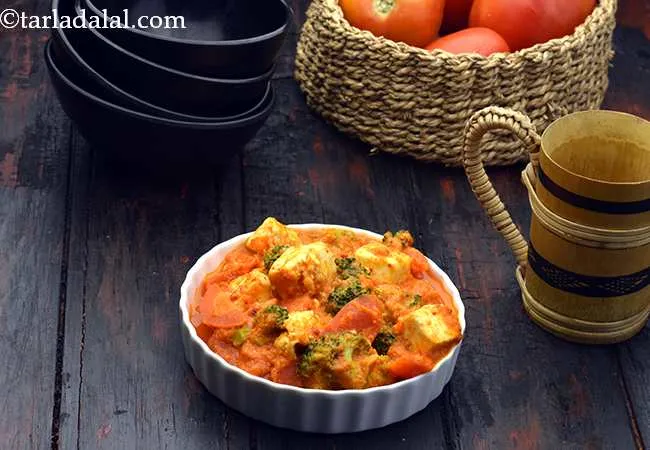 Broccoli, Carrot and Paneer Subzi
8. Pumpkin
9. Fenugreek
10. Amaranth
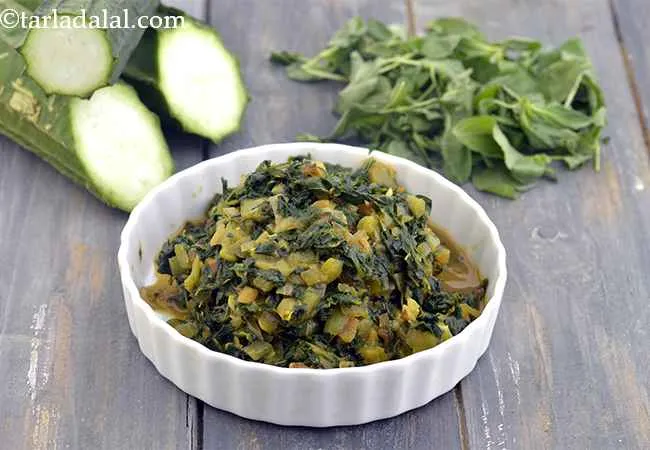 Ridge Gourd and Amaranth Shaag Bhaja
Acidity friendly sabzi
Fibre rich cauliflower and green peas combine well in grated cauliflower with peas recipe.
Iron rich chawli combines with ridge gourd for this healthy Bengali subzi called rich gourd and amaranth subzi.
.webp) Grated Cauliflower with Peas
Grated Cauliflower with Peas
Enjoy our Subzis to prevent acidity. Indian vegetables to keep acidity at bay and other acidity recipe articles below.
Acidity Recipes
Acidity Breakfast and Snacks
Acidity Dals & Kadhis
Acidity Drinks
Acidity Rotis & Parathas
Acidity Salads
Acidity Soups
Acidity Rice, Pulao & Khichdi
Aids Hiv Diet

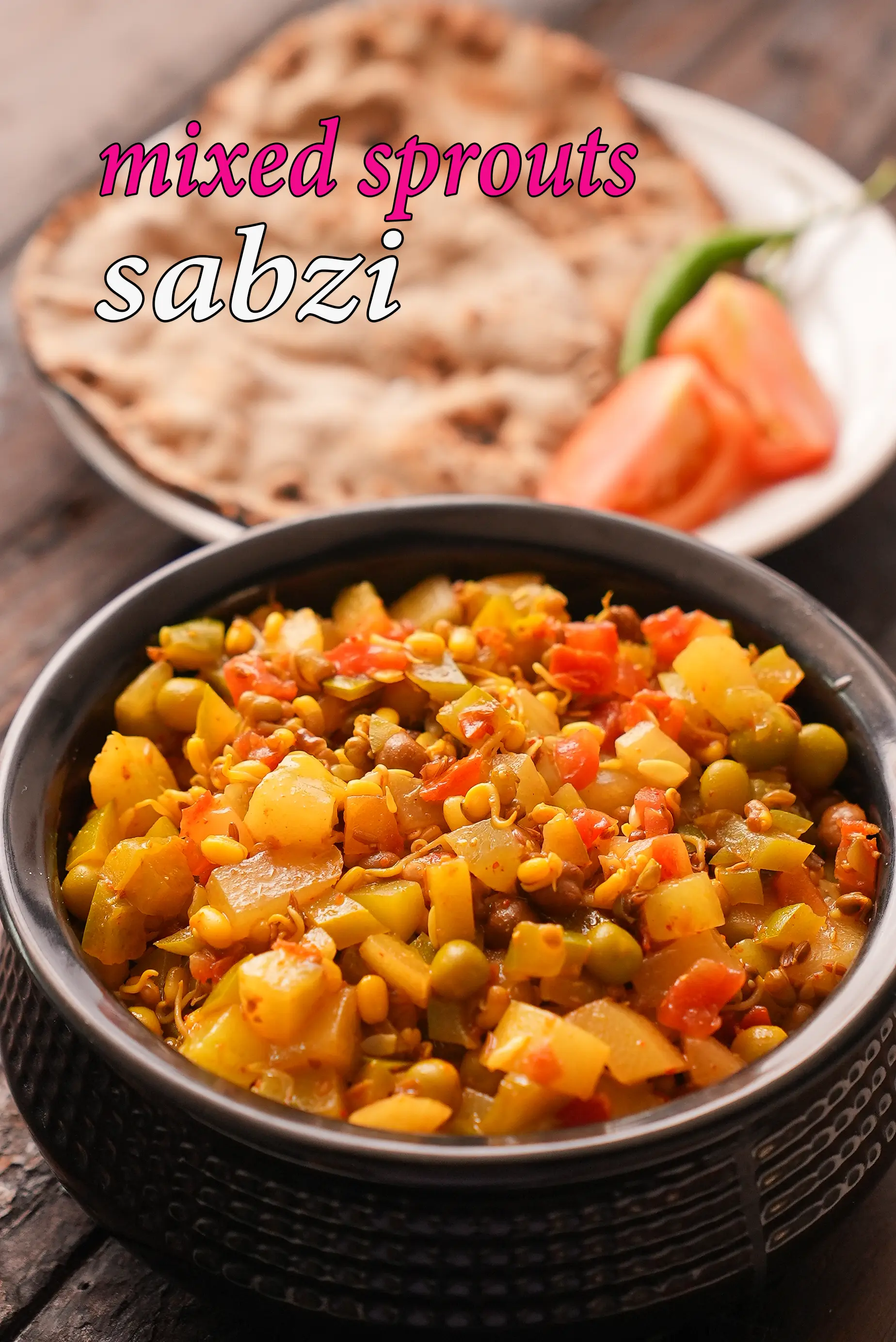
mixed sprouts sabzi recipe | Jain sprouts sabzi with vegetables | healthy sprouts Indian vegetable | with 20 … More..
Recipe# 349
05 October, 2014
calories per serving
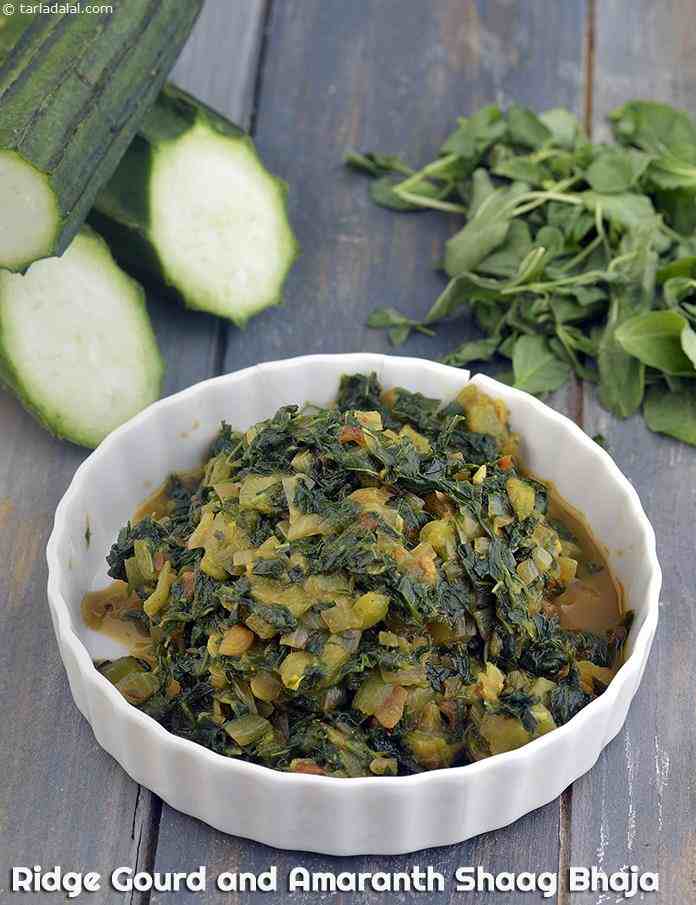
This Bengali-style subzi features a unique combination of veggies, simply but tastily flavoured with everyday ingredients. Iron-rich chawli … More..
Recipe# 7397
23 January, 2018
calories per serving
calories per serving
mixed sprouts sabzi recipe | Jain sprouts sabzi with vegetables | healthy sprouts Indian vegetable | with 20 … More..
calories per serving
This Bengali-style subzi features a unique combination of veggies, simply but tastily flavoured with everyday ingredients. Iron-rich chawli … More..


Related Recipes



Follow US
Recipe Categories
- Vitamin B12 Cobalamin Rich Recipes 33 recipes
- Low Calorie, Weight Loss Indian Recipes 421 recipes
- Low Cholesterol Indian Recipes 308 recipes
- Healthy Indian Breakfast 373 recipes
- Indian Diabetic recipes 559 recipes
- Indian Pregnancy recipes 461 recipes
- Zero Oil Indian Recipes 133 recipes
- Iron Rich Indian recipes 268 recipes
- Healthy Indian Acidity recipes 136 recipes
- Healthy Sabzis 108 recipes
- Indian Healthy Veg Snack 276 recipes
- Healthy Heart Recipes 415 recipes
- Healthy Veg Indian Soups 74 recipes
- Calcium Rich Indian Recipes 373 recipes
- High Blood Pressure Indian Recipes 103 recipes
- Healthy Indian Salads Recipes 137 recipes
- Low Carb Indian Diet, recipes 163 recipes
- Hypothyroidism Diet 63 recipes
- Arthritis Diet 68 recipes
- High Protein Indian recipes 95 recipes
- Vitamin K Diet 42 recipes
- Fatty Liver Diet 39 recipes
- PCOS 136 recipes
- Gluten Free Veg Indian 196 recipes
- High Fiber 328 recipes
- Indian Cancer Patients 275 recipes
- Jaundice Diet 45 recipes
- Sprouts 61 recipes
- Typhoid 43 recipes
- Irritable Bowel Syndrome (IBS) 23 recipes
- Kidney Stone Diet 10 recipes
- Home Remedies 213 recipes
- Senior Citizen 195 recipes
- Healthy Indian Drinks and Juices 213 recipes
- Diet for Dialysis 10 recipes
- Gout Indian Recipes 17 recipes
- Potassium Rich 80 recipes
- Vegan 195 recipes
- Indian recipes to treat Vomiting 8 recipes
- Forever Young Diet, Anti Aging Indian Diet 255 recipes
- Antioxidant Rich Indian 445 recipes
- Vitamin B1 Rich Indian Foods, Recipes 101 recipes
- High in Omega 3 Fatty Acids 32 recipes
- Zinc Rich Foods 55 recipes
- Vitamin A Rich, Beta Carotene, Retinol 89 recipes
- Malaria Diet 19 recipes
- Magnesium Rich 94 recipes
- Healthy Indian Dinner 85 recipes
- Vitamin C Rich Indian recipes 118 recipes
- Low Veg Glycemic Index 86 recipes
- Lower Blood Pressure Salads 8 recipes
- Healthy Indian Lunch Recipes 29 recipes
- Lactation 25 recipes
- Vitamin E Rich 51 recipes
- Hyperthyroidism Diet 47 recipes
- Vitamin B3, Niacin Rich 41 recipes
- Post Surgery Diet 42 recipes
- Selenium 27 recipes
- Phosphorus Rich Indian Recipes, Foods 74 recipes
- Lower Blood Pressure Desserts Sweets 14 recipes
- Copper 15 recipes
- Foods Rich in Vitamin B2 Riboflavin 22 recipes
- Vitamin B6 Diet 36 recipes
- B Vitamins 231 recipes
- Vitamin B9 Rich Folate 50 recipes
- Marathoners, Endurance Athletes, Triathlete 225 recipes
- Manganese Diet 32 recipes
- Thalassemia 18 recipes
- Detox Water, Fruit Infused Water 42 recipes
- Lactose Free Dairy Free 22 recipes
- Omega 6 Fatty Acids 32 recipes
- Phytonutrients 51 recipes
- Chronic Kidney Disease Indian recipes 12 recipes
- Selenium1 0 recipes
- Quick Snacks / Quick Starters 385 recipes
- Quick Breakfast Indian 131 recipes
- Quick Sabzis 117 recipes
- Quick Rotis / Parathas 46 recipes
- Quick Indian Sweets 139 recipes
- Quick Stir-Fries 51 recipes
- Quick Vegetarian Indian Soups 72 recipes
- Quick Chutneys 67 recipes
- Quick Vegetarian Rice, khichdi Recipes 56 recipes
- Indian snacks under 10 minutes 44 recipes
- Quick Indian Dips, Gravies & Sauces 105 recipes
- Quick Veg Indian Pizza 17 recipes
- Quick Veg Pasta 25 recipes
- Quick Pickles / Aachar 25 recipes
- Quick Dals / quick Kadhis 29 recipes
- Snacks under 5 minutes 33 recipes
- Quick Healthy Recipes 43 recipes
- Quick Pressure Cooker 46 recipes
- Quick Desserts 47 recipes
- Quick 3 Ingredients 63 recipes
- Quick Indian Desserts 20 recipes
- Quick 4 Ingredients 41 recipes
- Quick 5 Ingredients 42 recipes
- Kids Tiffin Box 319 recipes
- Recipes for Toddlers (1-3 Years) 32 recipes
- Sweet Recipes for Kids 456 recipes
- Recipes for Baby (10 to 12 Months) 17 recipes
- Quick Indian recipes for Kids 72 recipes
- Indian Breakfast Recipes for Kids 192 recipes
- Recipes for Weaning (8 to 9 months) 22 recipes
- Healthy Foods for Kids 196 recipes
- Snack Recipes for Kids 619 recipes
- Recipes Kids can make 36 recipes
- Kids After School 794 recipes
- Kids Jar Snacks 66 recipes
- Finger Foods for Babies, Toddlers and Kids 76 recipes
- Kids Weight Gain 43 recipes
- Kids Wraps and Rolls 23 recipes
- Kids Veg Pasta 27 recipes
- Kids Brain Boosting 68 recipes
- Protein rich food for kids 71 recipes
- Recipes for Weaning 15 recipes
- Kids Pizzas 30 recipes
- Babies, Toddler and Kids Iron Rich Foods 31 recipes
- High Fiber Foods for Kids 39 recipes
- Kids High Energy Indian Foods 103 recipes
- Kids Noodles 37 recipes
- Kids Calcium Rich Indian recipes 92 recipes
- Babies recipes, 6 to 18 months 34 recipes
- Kids Recipes for Increasing Immunity 10 recipes
- Kids Weight Loss 58 recipes
- Teething Recipes for Babies 10 recipes
- Cereals and Pulses for 8 to 9 months Baby 8 recipes
- Weaning foods at 7 months 12 recipes
- Indian Teen 315 recipes
- Starters / Snacks 2138 recipes
- Indian Breakfast Recipes 819 recipes
- Main Course Recipes 925 recipes
- Indian Salads 385 recipes
- Indian Desserts , Sweets 985 recipes
- Indian Soups 249 recipes
- Indian Beverages, Indian Drinks 483 recipes
- Indian Dinner 903 recipes
- Indian Dinner1 0 recipes
- Indian Lunch 829 recipes
- Side Dishes 449 recipes
- Indian Travel Food 433 recipes
- Indian Barbeque1 recipes 22 recipes
- Frozen Foods, Indian Freezer Recipes 67 recipes
- Whole Wheat Recipes 56 recipes
- Indian Comfort Foods 212 recipes
- Dinner Menus 56 recipes
- Easy Indian Veg 70 recipes
- Innovative Indian Recipes 27 recipes
- No Cook Indian 37 recipes
- Advanced Recipes 10 recipes
- Cakes with Eggs 13 recipes
- Microwave 229 recipes
- Oven 619 recipes
- Indian Steamer Recipes 102 recipes
- Kadai Veg 407 recipes
- Indian Barbeque Recipes 43 recipes
- Sizzler tray 15 recipes
- Mixer 566 recipes
- Pressure Cooker 315 recipes
- Tava 647 recipes
- Non-stick Pan 1393 recipes
- Indian Freezer recipes, meals 57 recipes
- Appe Mould 18 recipes
- Pan 223 recipes
- Non Stick Kadai Veg 203 recipes
- kadai Indian 150 recipes
- Refrigerator 176 recipes
- Waffle Indian recipes 6 recipes
- Handi 12 recipes
- Juicer and Hopper 65 recipes
- Grill 31 recipes
- Toaster 21 recipes
- Gas Toaster 8 recipes
- Steam 72 recipes
- No Cooking Veg Indian 335 recipes
- Vegetarian baked Indian recipes 380 recipes
- Boiled Indian recipes 129 recipes
- Deep Fry 260 recipes
- Indian Tawa 265 recipes
- Shallow Fry Indian 25 recipes
- Microwave1 172 recipes
- Saute 273 recipes
- Indian Pressure Cooker 171 recipes
- Stir-fry 101 recipes
- Roasting 0 recipes