Rice And Soya Paratha Recipe (Protein Rich Soya Paratha)
 Tarla Dalal
• Updated : Jul 14, 2025
Tarla Dalal
• Updated : Jul 14, 2025


Table of Content

rice and soya paratha recipe | protein rich soya paratha | leftover rice and soy paratha | with 20 amazing images.
rice and soya paratha is a unique and nutritious variation of the traditional Indian paratha, where cooked rice and soya granules are combined with spices and herbs to create a flavorful and wholesome dish. This dish is not only delicious but also a great way to use up leftover rice and incorporate protein-rich soya granules into your diet.
To make rice and soya paratha, cooked rice, whole wheat flour and soya granules are mixed together with spices like cumin, turmeric, coriander, and garam masala, ginger green chili paste, and fresh coriander leaves. This mixture is then stuffed into the paratha dough, rolled out, and cooked on a griddle until golden brown and crispy.
rice and soya paratha is a great source of protein and fiber, making it a nutritious meal option for vegetarians and vegans. The combination of rice and soya provides a good balance of essential amino acids, making this dish a complete and satisfying meal choice.
Whether enjoyed for breakfast, lunch, or dinner, rice and soya paratha is sure to be a hit with your family and friends. Serve it hot with a side of yogurt, pickle, or chutney for a delicious and wholesome meal experience. Try this innovative and nutritious paratha recipe for a tasty twist on the classic stuffed paratha.
Pro tips for rice and soya paratha. 1. In a large bowl put 1/2 cup cooked rice (chawal) or leftover rice. Cooked rice adds a soft and slightly fluffy texture to the paratha dough. This complements the chewiness of the wheat flour dough and creates a more pleasant eating experience. The rice also helps to bind the dough ingredients together, making it easier to roll out. 2. Add 2 tsp ginger-green chilli paste. Ginger adds a warming and slightly sweet flavor to the paratha. Green chilies contribute a touch of heat that can help to balance the richness of the soya and rice stuffing.
Enjoy rice and soya paratha recipe | protein rich soya paratha | leftover rice and soy paratha | with step by step photos.
Rice and Soya Paratha ( Protein Rich Recipe ) recipe - How to make Rice and Soya Paratha ( Protein Rich Recipe )
Tags
Soaking Time
0
Preparation Time
10 Mins
Cooking Time
15 Mins
Baking Time
0 Mins
Baking Temperature
0
Sprouting Time
0
Total Time
25 Mins
Makes
6 parathas
Ingredients
For Rice and Soya Paratha
- 1/2 cup cooked rice (chawal)
-
1/2 cup powdered soya chunks , refer handy tip
- 3/4 cup whole wheat flour (gehun ka atta)
- 1/2 tsp turmeric powder (haldi)
- 1/2 tsp chilli powder
- 2 tsp ginger-green chilli paste
- salt to taste
- 1 tsp sugar
- 1 tsp oil
- 1/4 cup finely chopped coriander (dhania)
- whole wheat flour (gehun ka atta) for rolling
- 1 1/2 tsp oil for cooking
For Serving With Rice and Soya Paratha
- fresh curd (dahi)
Method
For rice and soya paratha
- To make rice and soya paratha, combine all the ingredients in a bowl and knead into a semi-soft dough using enough water. Keep aside for 10 minutes.
- Divide the dough into 6 equal portions and roll out each portion into a 125 mm. (5”) diameter thick circle using a little wheat flour for rolling.
- Heat a non-stick tava (griddle) and cook each paratha, using ¼ tsp of oil, till brown spots appear on both the sides.
- Serve the rice and soya paratha hot with fresh curds.
Handy tip:
- 1 cup of soya chunks when blended in a mixer gives ½ cup of powdered soya chunks.
Rice And Soya Paratha Recipe (Protein Rich Soya Paratha) Video by Tarla Dalal
Rice and Soya Paratha ( Protein Rich Recipe ) recipe with step by step photos
-
-
like rice and soya paratha recipe | protein rich soya paratha | leftover rice and soy paratha | then see some soya rotis paratha recipes we have and some recipes we love.
- chick pea potato soya tikki | kabuli chana soya cutlet | garlic potato soya tikki |
- soya bhurji recipe | soya matar bhurji | soya bhurji from soya granules |
- soya roti recipe | soya chapati | Indian soya flour roti |
-
like rice and soya paratha recipe | protein rich soya paratha | leftover rice and soy paratha | then see some soya rotis paratha recipes we have and some recipes we love.
-
-
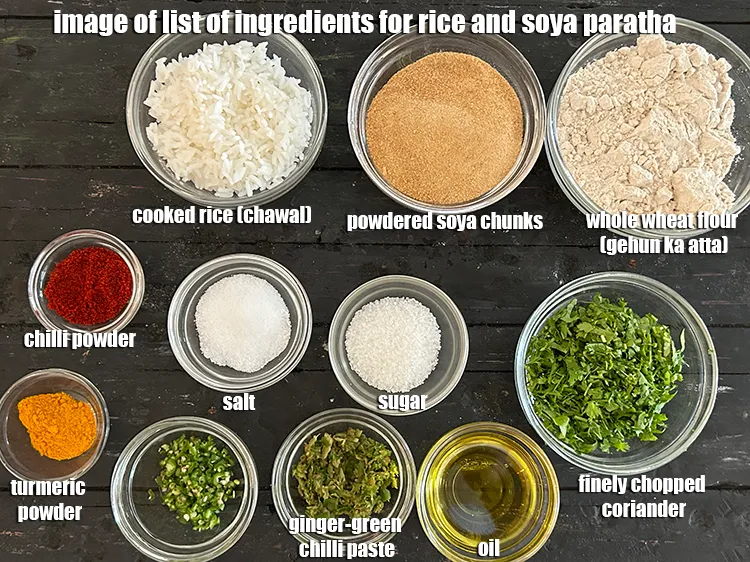
what is rice and soya paratha made of ? See below image of list of ingredients for rice and soya paratha.
-
what is rice and soya paratha made of ? See below image of list of ingredients for rice and soya paratha.
-
-
To make powdered soya chunks | soya chunks powder | soy chunks powder | powdered soy nuggets, first select good quality soya chunks. Whether purchasing, make sure that there is no evidence of moisture or insect damage, and that the nuggets are whole and not powdery.
-1-203367.webp?w=800&format=webp)
-
Place about 1 1/2 cups of soya chunks in a mixer jar. This will give you 1/2 cup powdered soya chunks. Grind the soya chunks according to the recipe's quantity.
-2-203367.webp?w=800&format=webp)
-
Grind them to a fine powder. This is how the powdered soya chunks | soya chunks powder | soy chunks powder | powdered soy nuggets | looks like.
-3-203367.webp?w=800&format=webp)
-
Use these powdered soya chunks | soya chunks powder | soy chunks powder | powdered soy nuggets | to make recipes like Dal and Soya Paratha and Corn Soya Koftas in Makhani Gravy.
-4-203367.webp?w=800&format=webp)
-
To make powdered soya chunks | soya chunks powder | soy chunks powder | powdered soy nuggets, first select good quality soya chunks. Whether purchasing, make sure that there is no evidence of moisture or insect damage, and that the nuggets are whole and not powdery.
-
-
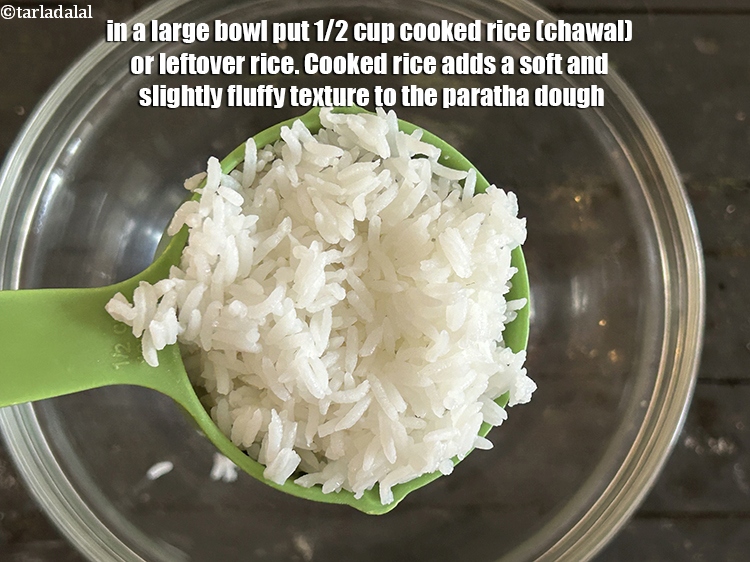
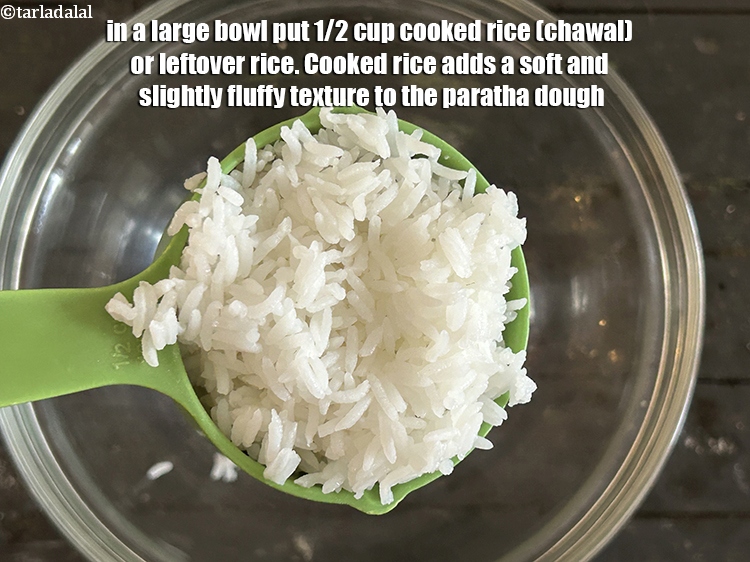
In a large bowl put 1/2 cup cooked rice (chawal) or leftover rice. Cooked rice adds a soft and slightly fluffy texture to the paratha dough. This complements the chewiness of the wheat flour dough and creates a more pleasant eating experience. The rice also helps to bind the dough ingredients together, making it easier to roll out.
-
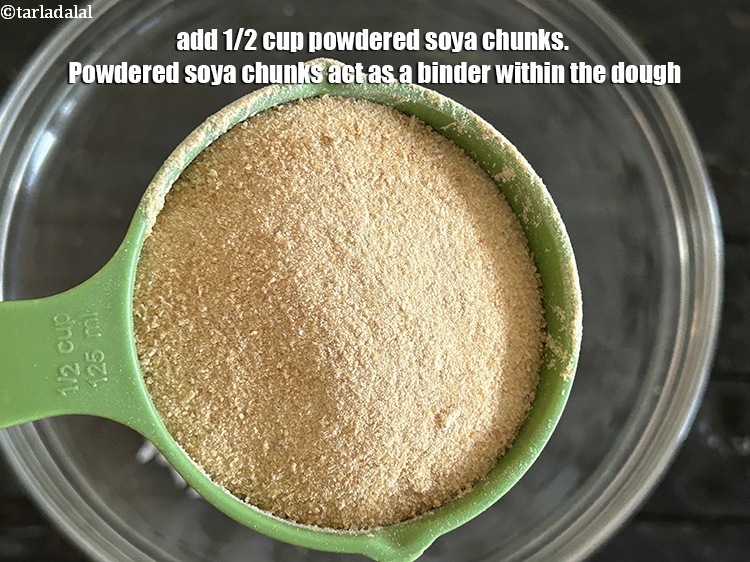
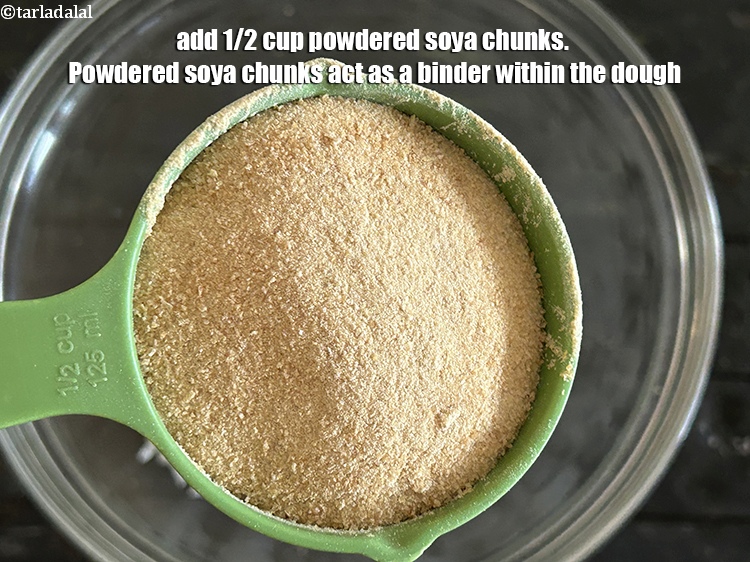
Add 1/2 cup powdered soya chunks. Powdered soya chunks act as a binder within the dough. They help to hold the rice and other ingredients together, preventing the paratha from becoming crumbly or falling apart during cooking.
-
Add 3/4 cup whole wheat flour (gehun ka atta). Whole wheat flour can add a slightly nutty and earthy flavor to the paratha, which complements the savory taste of the soya and rice filling.
--3-203368.webp?w=800&format=webp)
-
Add 1/2 tsp turmeric powder (haldi).
-4-203368.webp?w=800&format=webp)
-
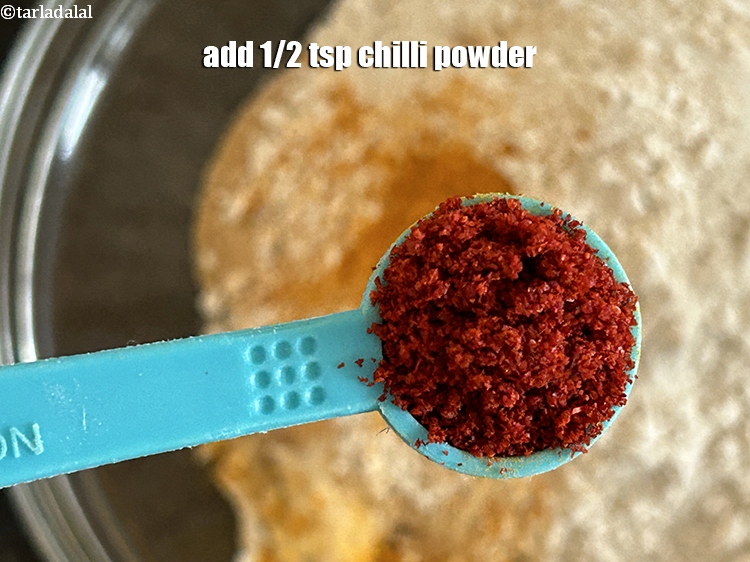
Add 1/2 tsp chilli powder.
-
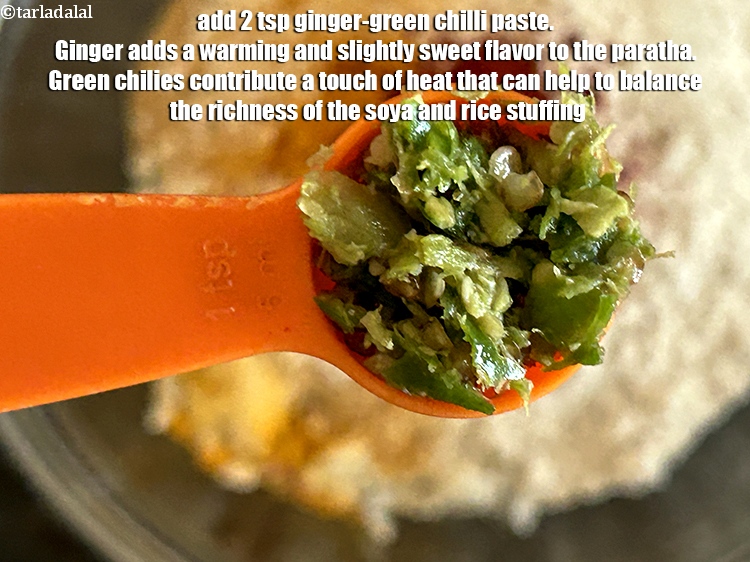
Add 2 tsp ginger-green chilli paste. Ginger adds a warming and slightly sweet flavor to the paratha. Green chilies contribute a touch of heat that can help to balance the richness of the soya and rice stuffing.
-
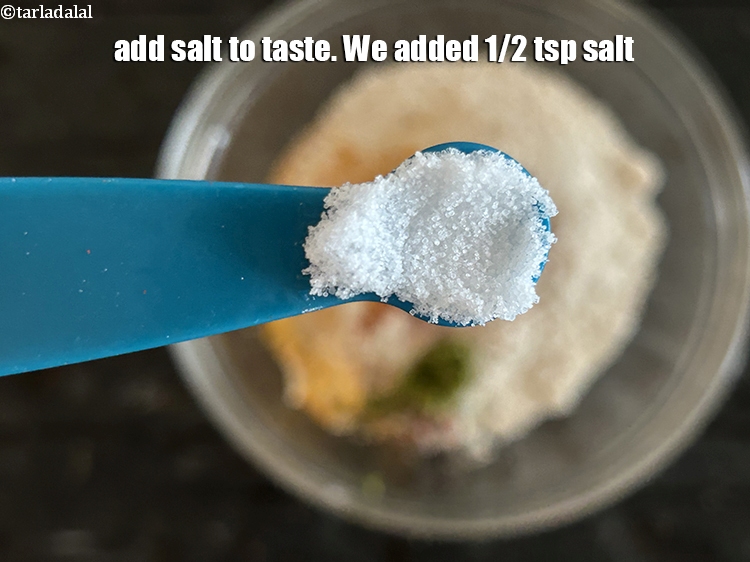
Add salt to taste. We added 1/2 tsp salt.
-
Add 1 tsp sugar (optional).
-8-203368.webp?w=800&format=webp)
-
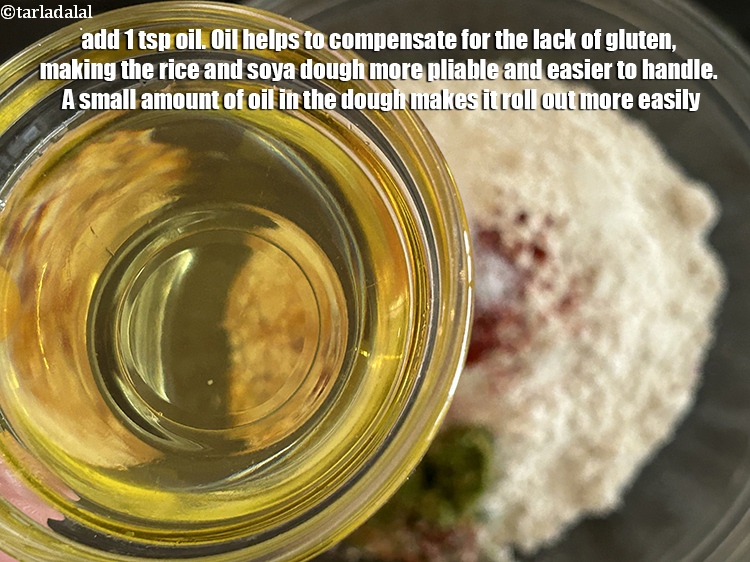
Add 1 tsp oil. Oil helps to compensate for the lack of gluten, making the rice and soya dough more pliable and easier to handle. A small amount of oil in the dough makes it roll out more easily.
-
Add 1/4 cup finely chopped coriander (dhania). Coriander leaves add a bright, fresh, and slightly citrusy aroma to the paratha dough.
--10-203368.webp?w=800&format=webp)
-
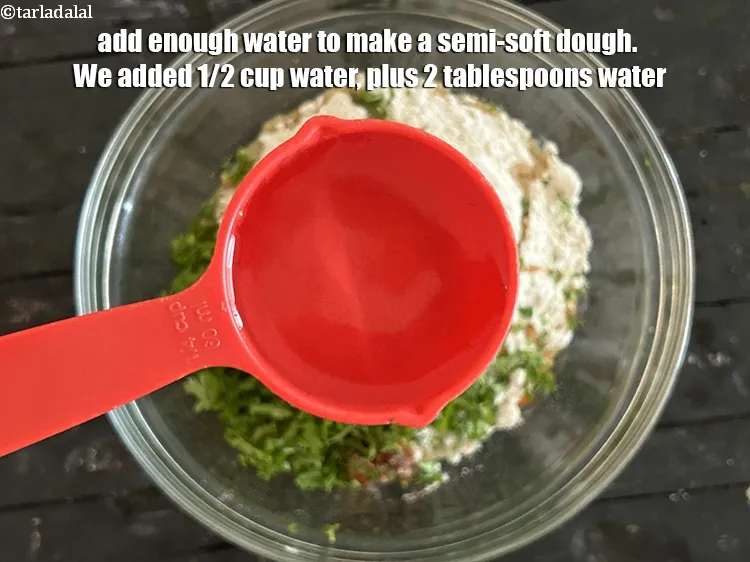
Add enough water to make a semi-soft dough. We added 1/2 cup water, plus 2 tablespoons water.
-
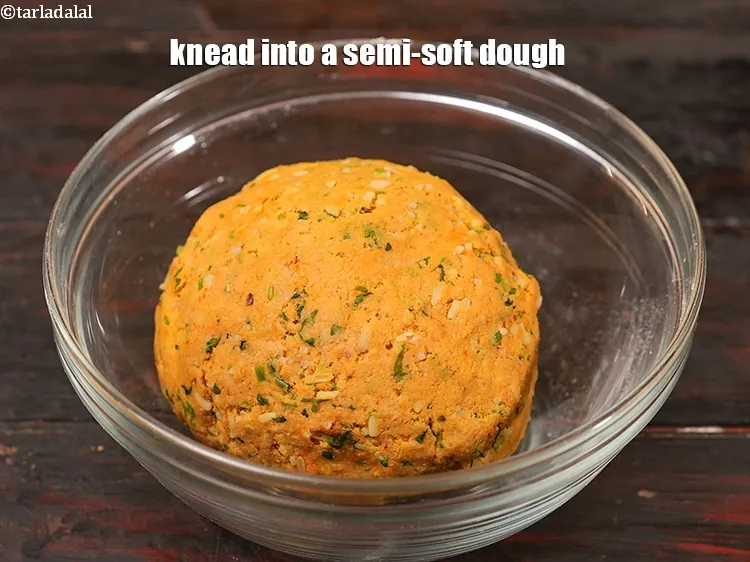
Knead into a semi-soft dough.
-
Keep aside for 10 minutes.
-
In a large bowl put 1/2 cup cooked rice (chawal) or leftover rice. Cooked rice adds a soft and slightly fluffy texture to the paratha dough. This complements the chewiness of the wheat flour dough and creates a more pleasant eating experience. The rice also helps to bind the dough ingredients together, making it easier to roll out.
-
-
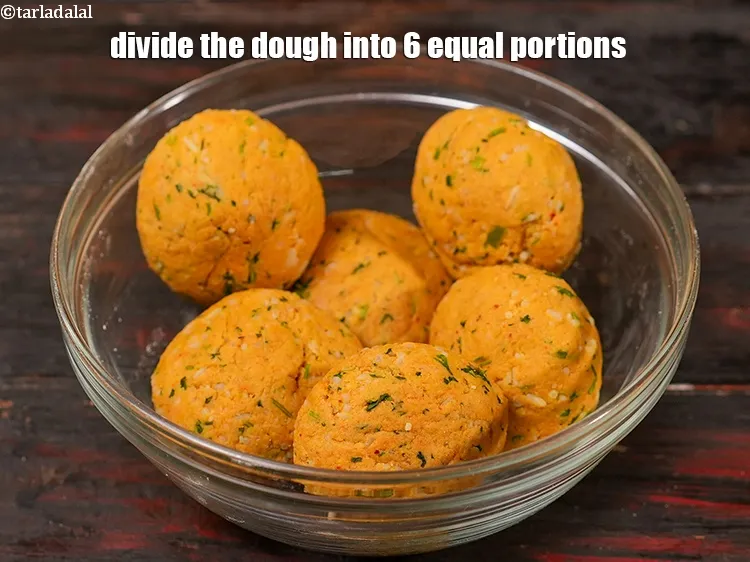
Divide the dough into 6 equal portions.
-
Roll out each portion into a 125 mm. (5”) diameter thick circle using a little wheat flour for rolling.
-diameter-2-203369.webp?w=800&format=webp)
-
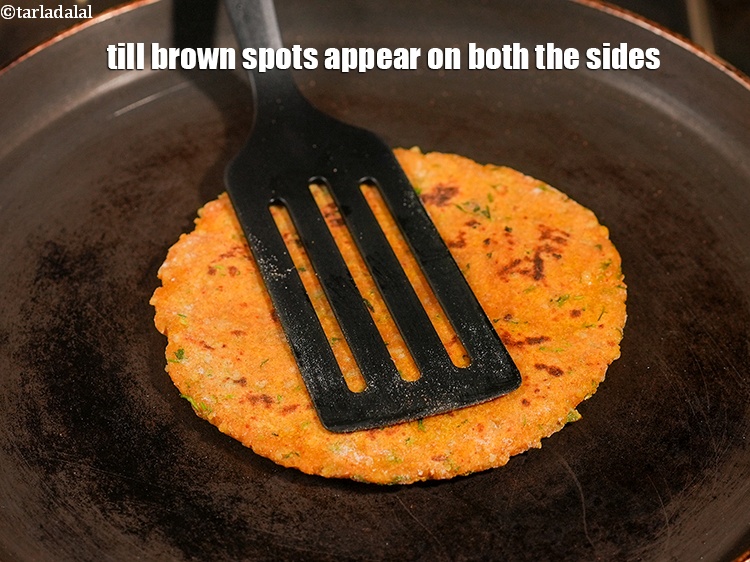
Heat a non-stick tava (griddle) and cook each paratha.
-and-cook-each-paratha-3-203369.webp?w=800&format=webp)
-
Using ¼ tsp of oil.

-
Till brown spots appear on both the sides.
-
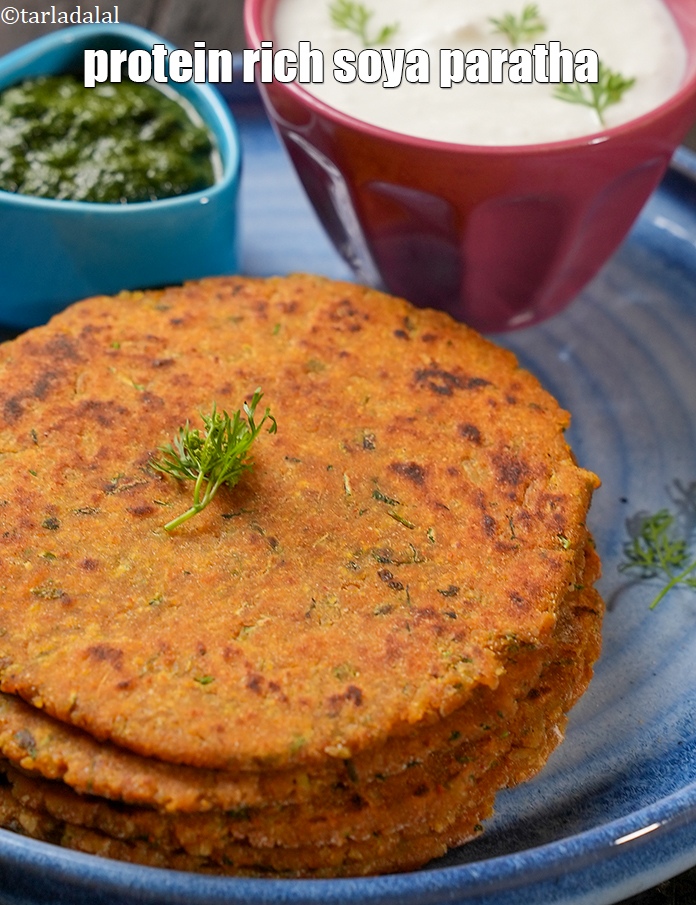
Serve rice and soya paratha recipe | protein rich soya paratha | leftover rice and soy paratha | hot with fresh curds.
-
Divide the dough into 6 equal portions.
-
-
In a large bowl put 1/2 cup cooked rice (chawal) or leftover rice. Cooked rice adds a soft and slightly fluffy texture to the paratha dough. This complements the chewiness of the wheat flour dough and creates a more pleasant eating experience. The rice also helps to bind the dough ingredients together, making it easier to roll out.
-
Add 1/2 cup powdered soya chunks. Powdered soya chunks act as a binder within the dough. They help to hold the rice and other ingredients together, preventing the paratha from becoming crumbly or falling apart during cooking.
-
Add 3/4 cup whole wheat flour (gehun ka atta). Whole wheat flour can add a slightly nutty and earthy flavor to the paratha, which complements the savory taste of the soya and rice filling.
--3-203370.webp?w=800&format=webp)
-
In a large bowl put 1/2 cup cooked rice (chawal) or leftover rice. Cooked rice adds a soft and slightly fluffy texture to the paratha dough. This complements the chewiness of the wheat flour dough and creates a more pleasant eating experience. The rice also helps to bind the dough ingredients together, making it easier to roll out.
Nutrient values (Abbrv) per parathas
| Energy | 148 Calories |
| Protein | 7.6 g |
| Carbohydrates | 18.9 g |
| Fiber | 5.0 g |
| Fat | 4.9 g |
| Cholesterol | 0 mg |
| Sodium | 4 mg |
Click here to view Calories for Rice and Soya Paratha ( Protein Rich Recipe )
The Nutrient info is complete

Very healthy food mam
Aug. 26, 2020, 12:56 p.m.
Riya
Dec. 14, 2011, 9:54 p.m.
Nice and simple paratha which can be quickly made using leftover rice... Adding soya increases the protein content too... Instead of coriander I added methi leaves and that tasted great...