Poha Idli Recipe (South Indian Poha Idli)
 Tarla Dalal
• Updated : Jan 03, 2026
Tarla Dalal
• Updated : Jan 03, 2026
Poha Idli is a soft, fluffy and nutritious South Indian breakfast made using poha (flattened rice), idli rava, and urad dal. The poha is soaked to enhance softness, then ground with dal to form a smooth batter. After natural fermentation, the batter becomes light and airy, giving idlis a delicate texture. These idlis are steamed, making them light on the stomach and easy to digest. Poha Idli tastes best when served hot with coconut chutney, sambar, or a mild vegetable curry. It is a wholesome option perfect for everyday meals.


Table of Content

poha idli | south indian poha idli | aval idli | soft poha idli | poha idli with fermentation | with 25 amazing photos
The Poha Idli is a beloved South Indian breakfast staple, celebrated for its incredibly soft, fluffy, and light texture. This innovative take on the classic idli uses a clever combination of rice semolina (idli rawa) and beaten rice (poha), instead of traditional idli rice, making the batter preparation significantly quicker and more convenient. It results in an idli that effortlessly melts in your mouth, offering a delightful and wholesome start to the day or a comforting snack at any time.
The key to the unique characteristics of Poha Idli lies in its carefully chosen ingredients. Rice semolina (idli rawa)provides the classic idli texture, while beaten rice (poha) is the secret behind its exceptional softness and fluffiness. The recipe also incorporates urad dal (split black lentils), which is crucial for binding the batter and contributing to the fermentation process, essential for idlis. A touch of salt seasons the batter, balancing the flavors.
Preparing the batter for Poha Idli is a streamlined process. Both the idli rawa and beaten rice (poha) are thoroughly cleaned, washed, and then soaked in water for at least 2 hours, ensuring they soften properly. Simultaneously, the urad dal is also cleaned, washed, and soaked for the same duration. After soaking, the idli rawa-poha mixture and the urad dal are separately blended with water to achieve smooth batters. These two batters are then combined with salt and left to ferment for 8 hours, allowing them to develop the characteristic tangy flavor and airy structure.
Once the batter has fermented beautifully, indicating its readiness, spoonfuls are poured into greased idli moulds. These are then steamed in an idli steamer for 10 to 12 minutes, or until they are perfectly cooked and puffy. The fermentation, combined with the properties of poha, ensures that each idli turns out super soft and super fluffy. The process is repeated with the remaining batter, yielding a batch of these delectable idlis.
Poha Idli is best served hot, fresh out of the steamer, to fully appreciate its soft texture and inviting aroma. It traditionally pairs wonderfully with classic South Indian accompaniments like aromatic sambhar and creamy coconut chutney. This combination creates a complete and satisfying meal that is not only delicious but also light on the stomach, embodying the wholesome goodness of Indian vegetarian cuisine.
Enjoy poha idli recipe with detailed step by step photos and video below.
Tags
Soaking Time
2 hours
Preparation Time
5 Mins
Cooking Time
30 Mins
Baking Time
0 Mins
Baking Temperature
0
Fermenting Time
8 hours
Total Time
35 Mins
Makes
22 idlis
Ingredients
For Poha Idli
- 1 cup rice semolina (idli rawa)
- 1/4 cup beaten rice (poha)
- 1/4 cup urad dal (split black lentils)
- salt to taste
For Serving With Poha Idli
Method
For poha idli
- To make poha idli, clean, wash and soak the idli rava and beaten rice with enough water in a deep bowl for at least 2 hours. Drain well.
- Clean, wash the urad dal thoroughly and soak with enough water in a deep bowl for at least 2 hours. Drain well.
- Combine the idli rava-poha mixture and ¼ cup of water in a mixer and blend till smooth.
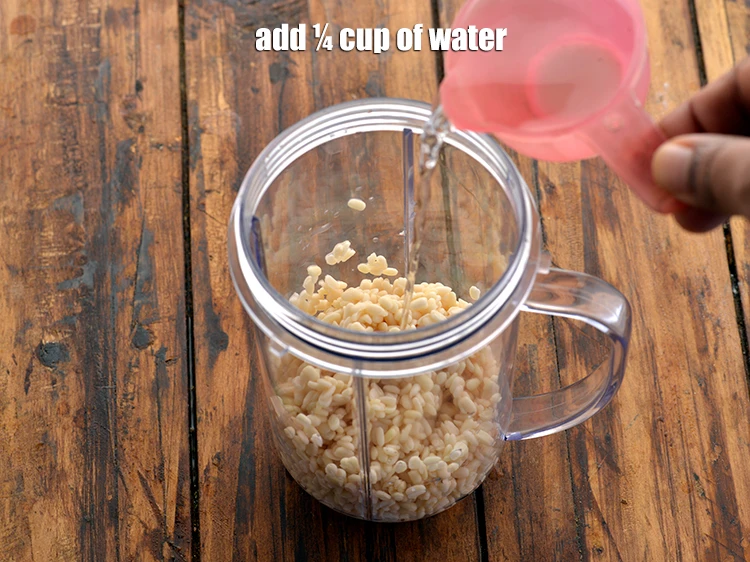
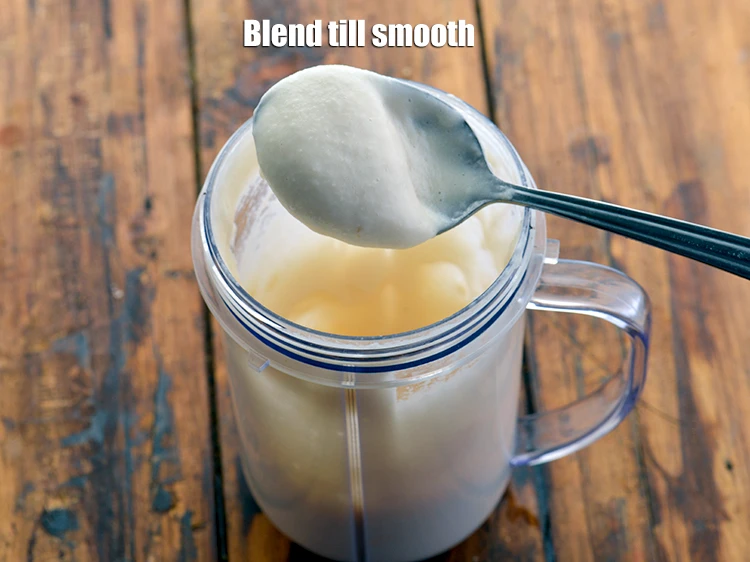
- Combine the urad dal and ¼ cup of water in a mixer and blend till smooth.
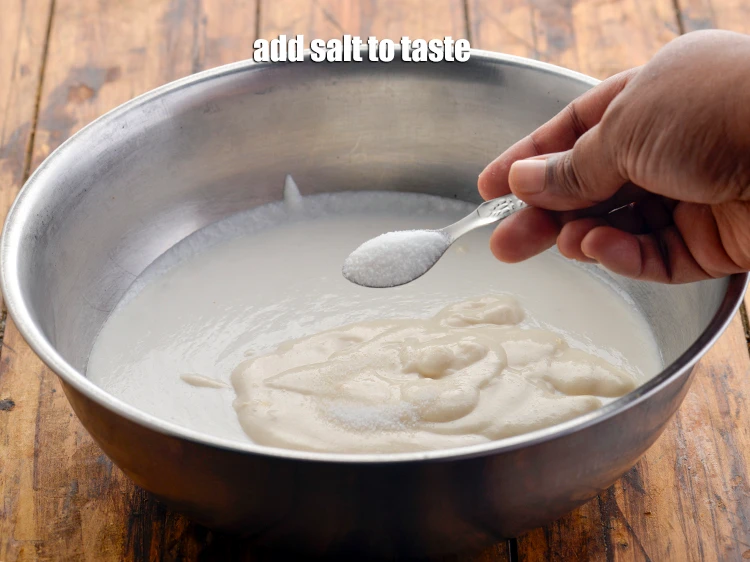
- Combine the two batters and salt in a deep bowl and mix very well. Cover with a lid and keep aside to ferment for 8 hours.
- Put spoonfuls of the batter into greased idli moulds and steam in a steamer for 10 to 12 minutes.
- Repeat with the remaining batter to make more poha idlis.
- Serve the poha idli hot with sambhar and coconut chutney.
Poha Idli Recipe (South Indian Poha Idli) Video by Tarla Dalal
Poha Idli ( How To Make Poha Idli ) recipe with step by step photos
-
-
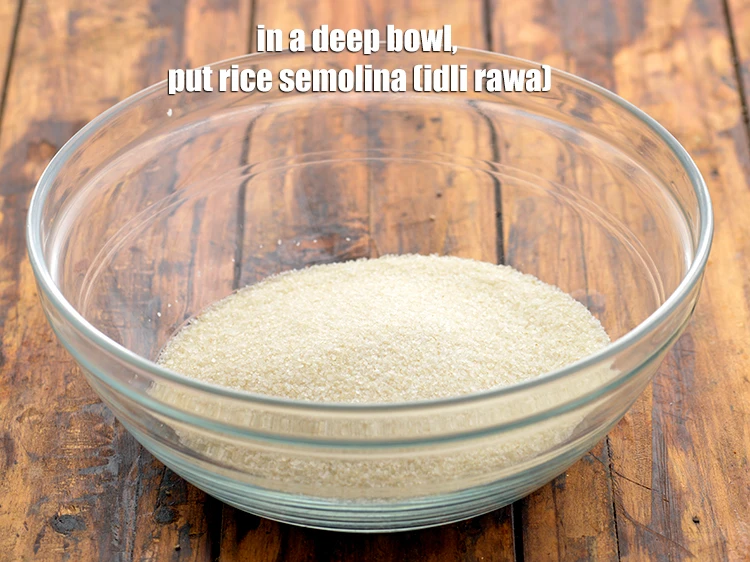
To make poha idli, put the 1 cup rice semolina (idli rawa) in a deep bowl.
-
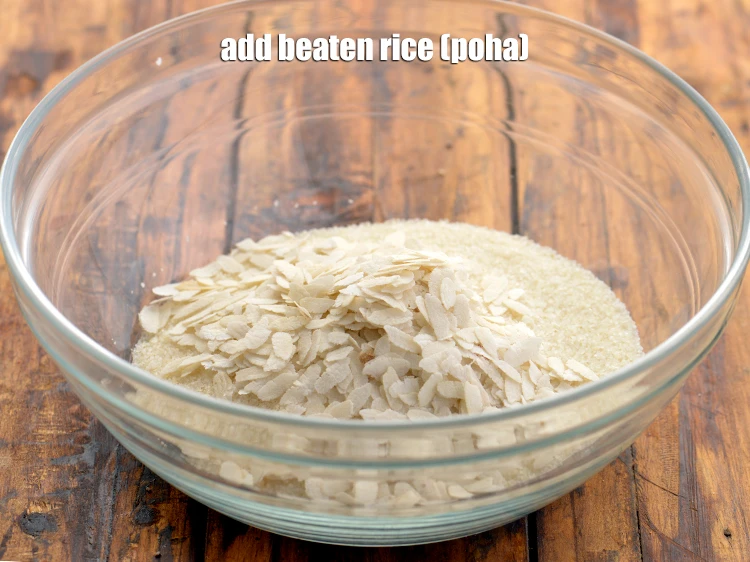
Add 1/4 cup beaten rice (poha).
-
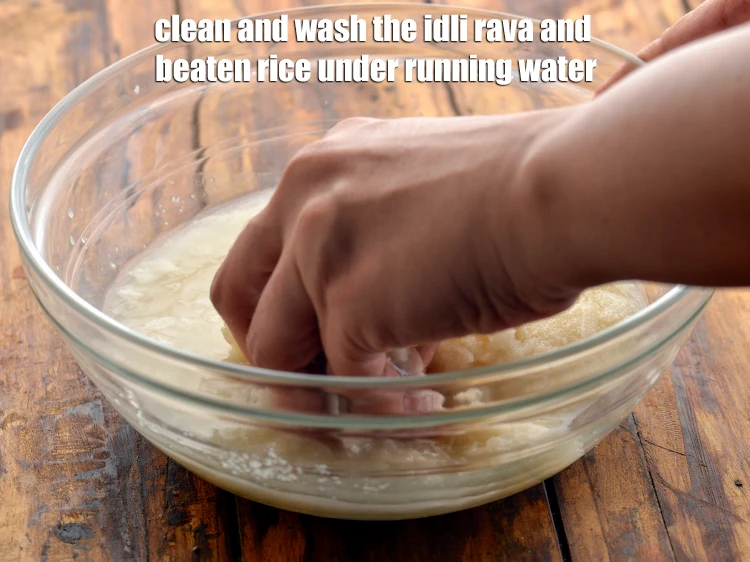
Clean and wash the idli rava and beaten rice under running water.
-
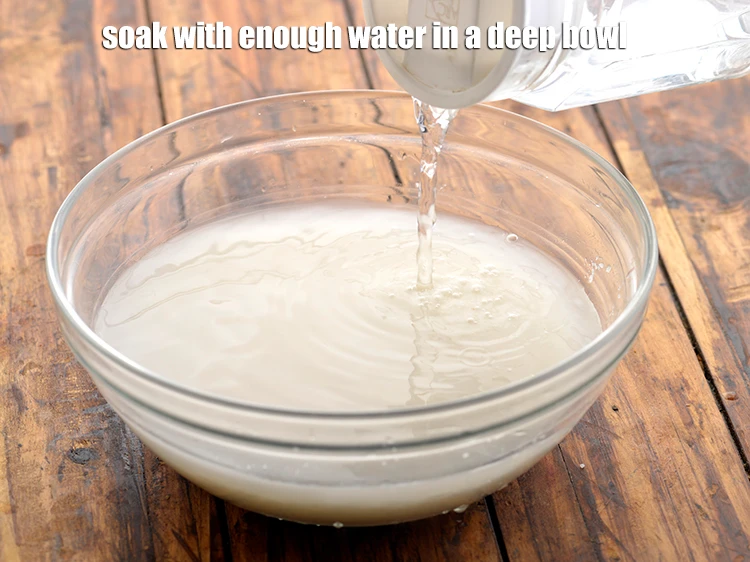
Soak with enough water in a deep bowl.
-
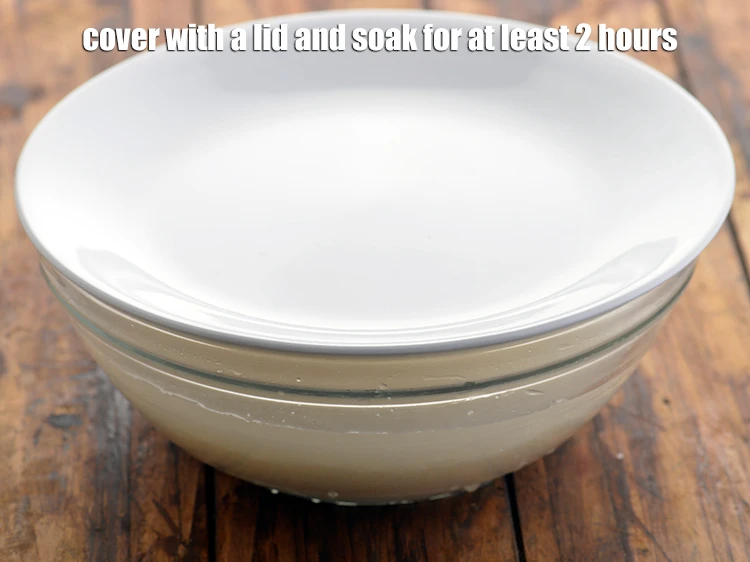
Cover with a lid and soak for at least 2 hours.
-
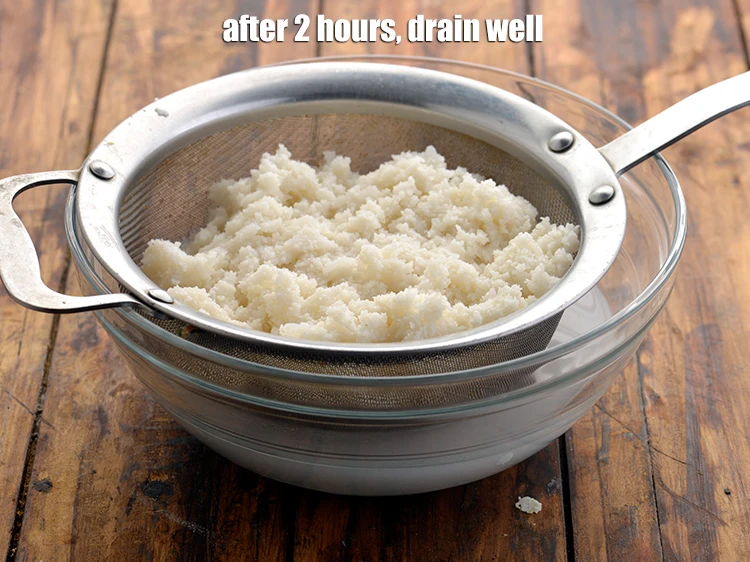
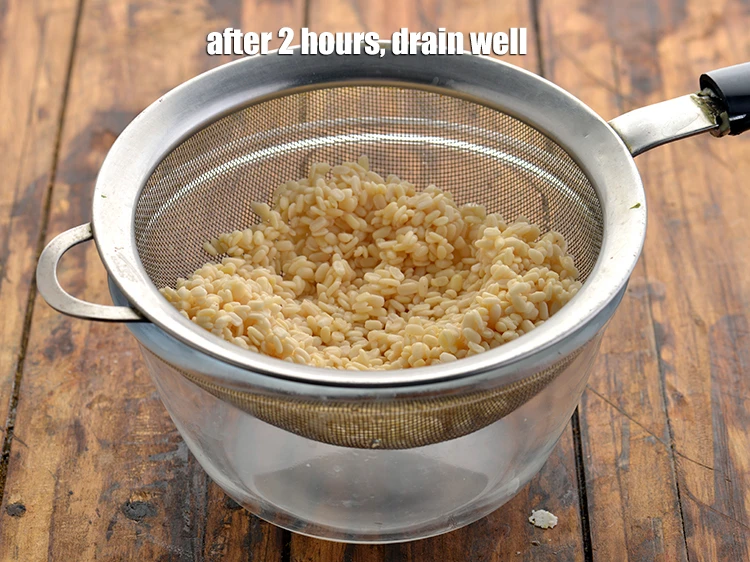
After 2 hours, drain well. As they absorb water and turn soft, you shall see this mixture is quite lumpy.
-
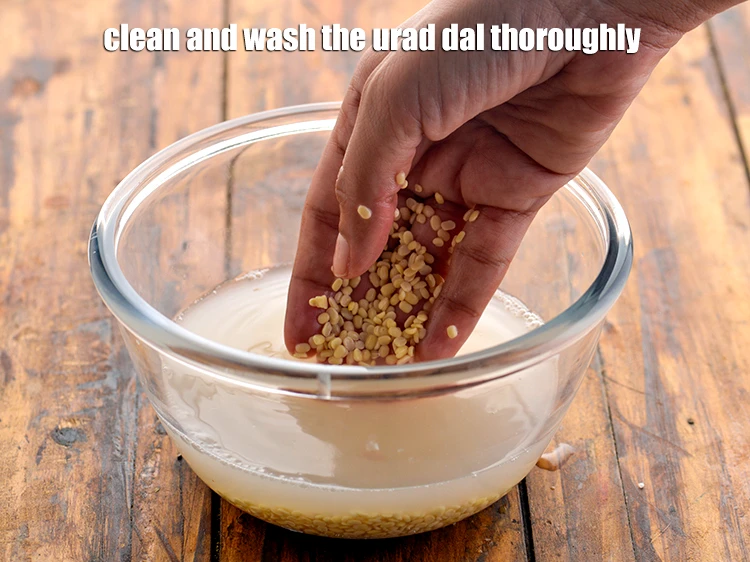
Clean and wash the 1/4 cup urad dal (split black lentils) thoroughly.
-
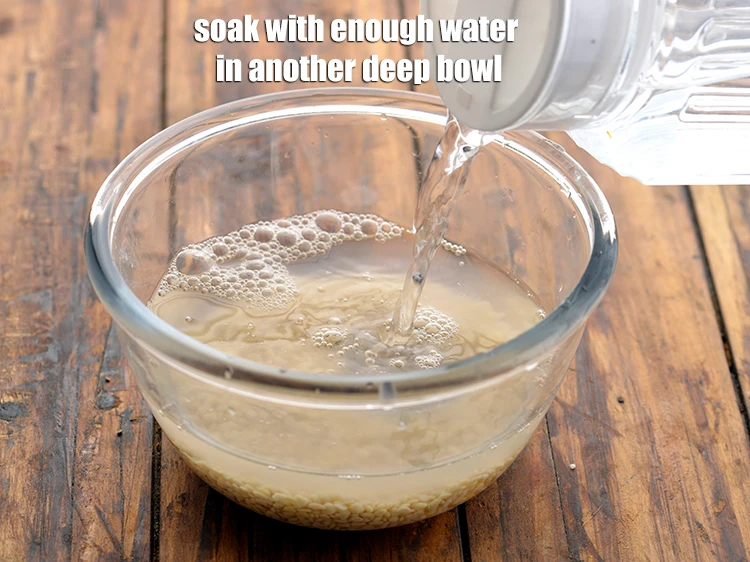
Soak with enough water in another deep bowl.
-
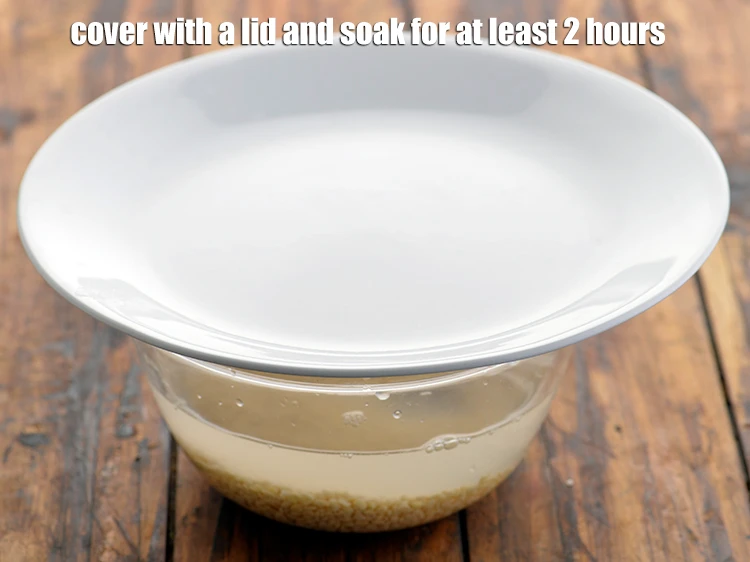
Cover with a lid and soak for at least 2 hours.
-
After 2 hours, drain well.
-
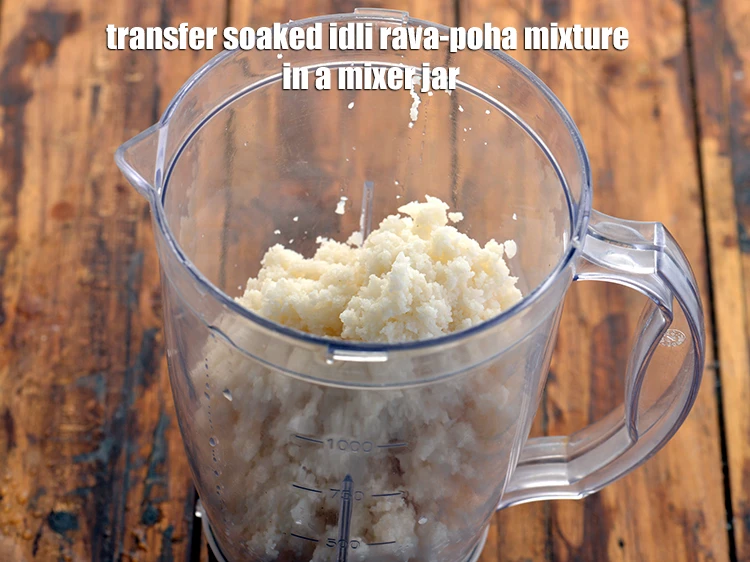
Transfer the soaked idli rava-poha mixture in a mixer jar.
-
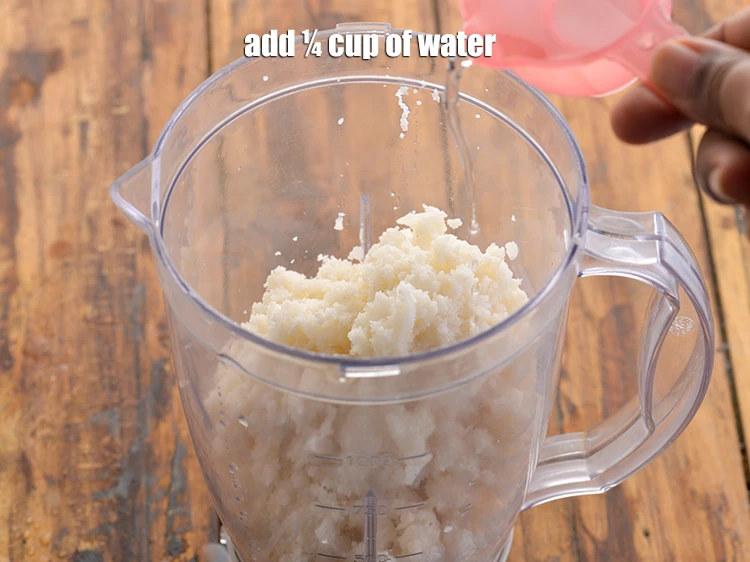
Add ¼ cup of water. The quantity of water may vary but, ensure tha batter is not watery.
-
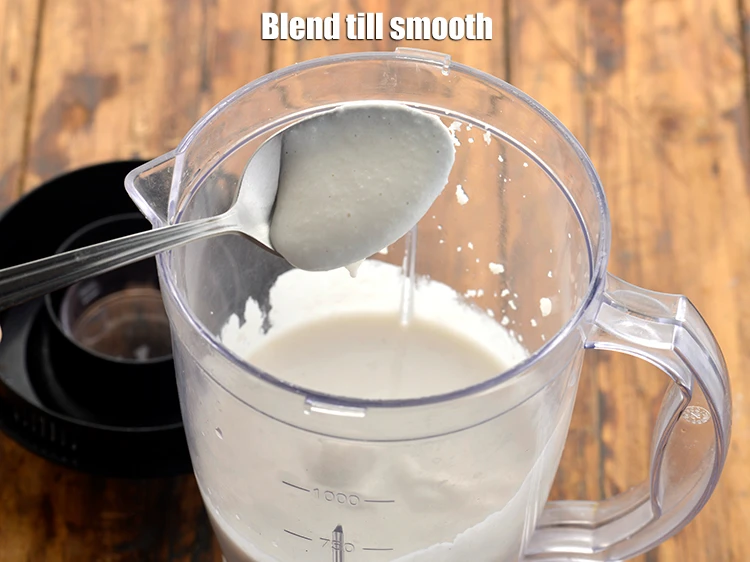
Blend till smooth. Check once in between and feel the texture between your finger and grind accordingly. It won’t be very smooth as we are using idli rava but, it won’t be coarse like rice also.
-
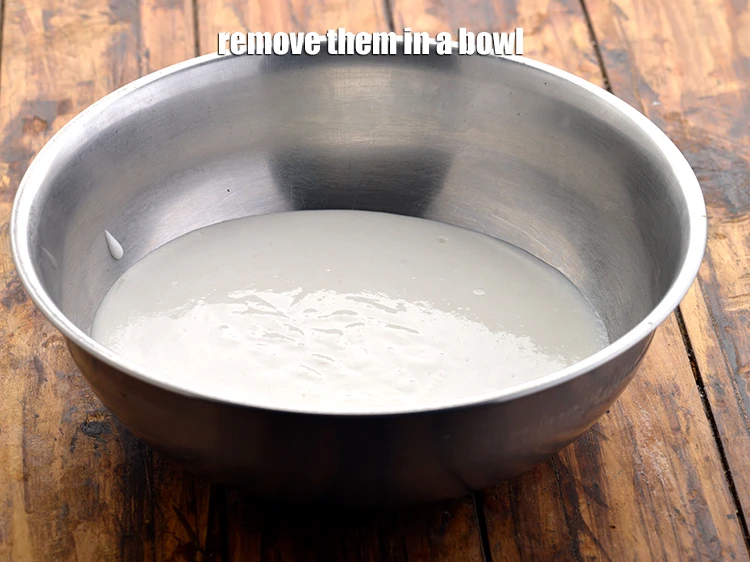
Remove them in a bowl. The container should have enough room for the batter to ferment.
-
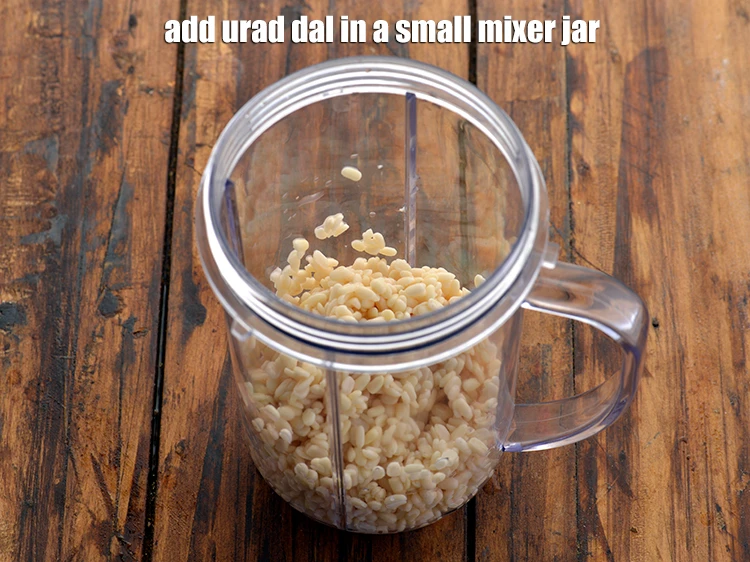
Now add the urad dal in a small mixer jar. Because we need to blend only ¼ cup of urad dal we are using small mixer to grind it perfectly.
-
Add ¼ cup of water.
-
Blend till smooth.
-
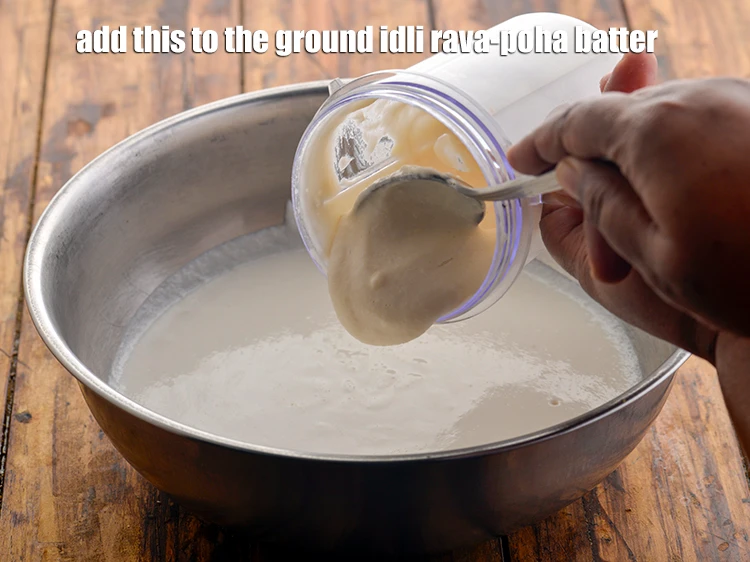
Add this to the ground idli rava-poha batter.
-
Combine the two batters and salt to taste in a deep bowl.
-
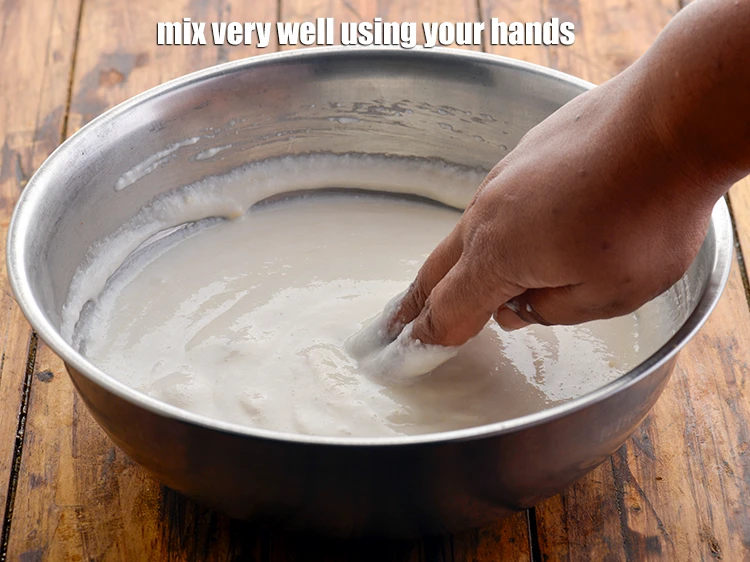
Mix very well using your hands. The batter should not be sticky but it should be light and fluffy.
-
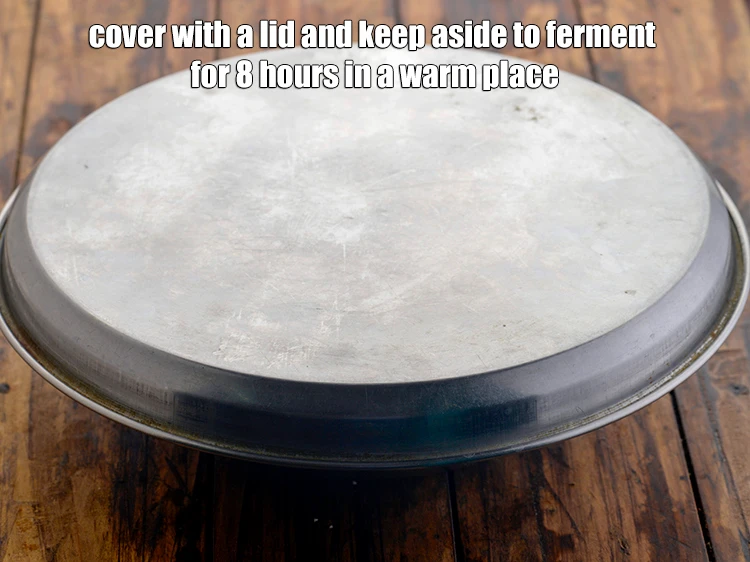
Cover with a lid and keep aside to ferment for 8 hours in a warm place. The duration for fermentation may vary depending on the climatic conditions. In winter it may need longer time and in summer it may require less time to ferment.
-
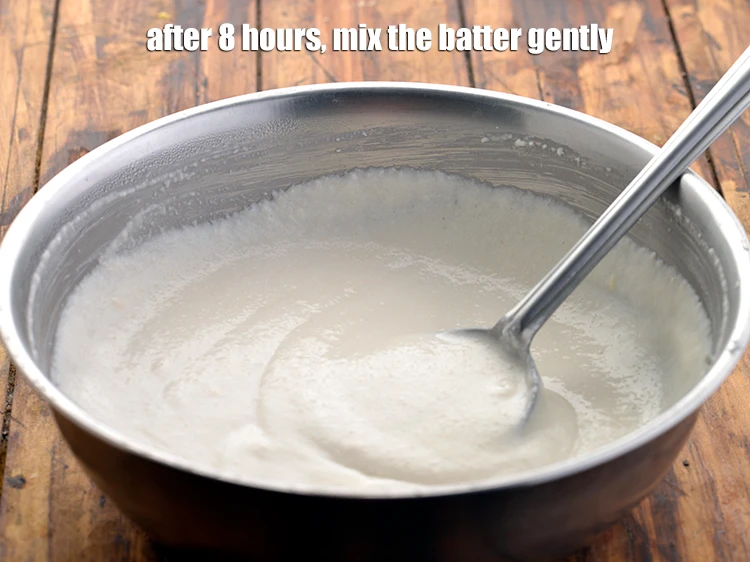
After 8 hours, mix the batter gently with the help of a ladle. If your batter is too thin, then your poha idli will be flat. If your batter is thick, then your idli will be hard.
-
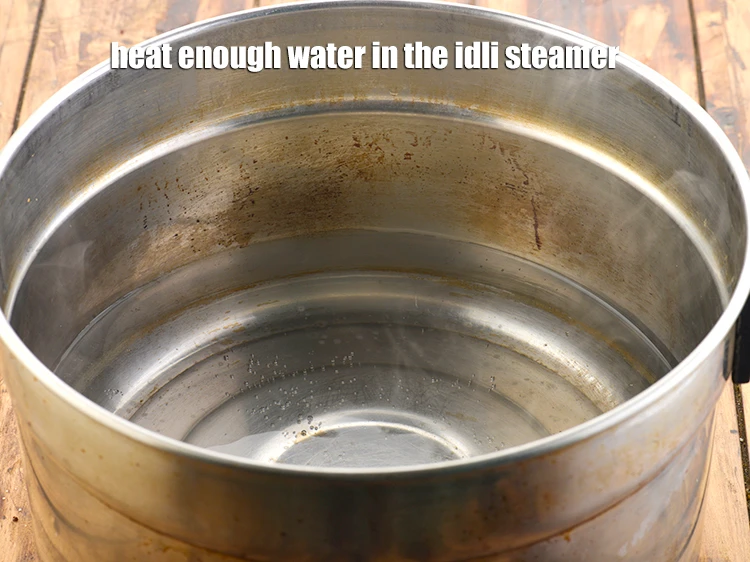
Heat enough water in the idli steamer.
-
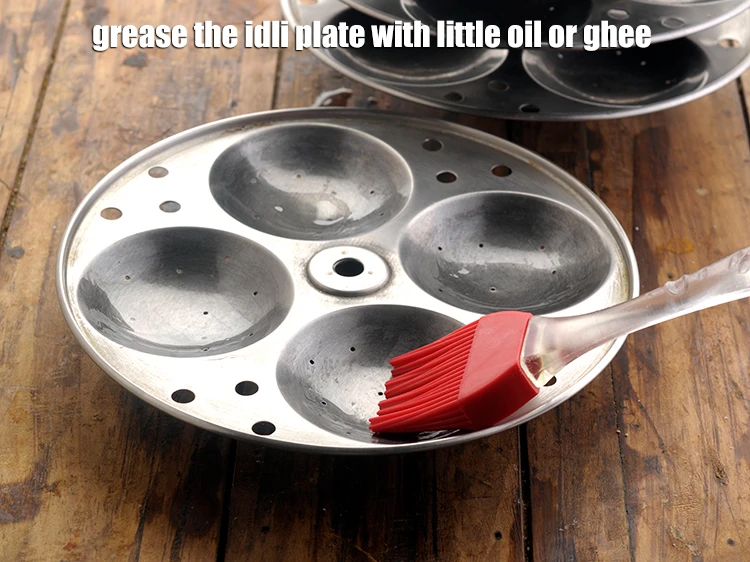
grease the idli plate with little oil or ghee.
-
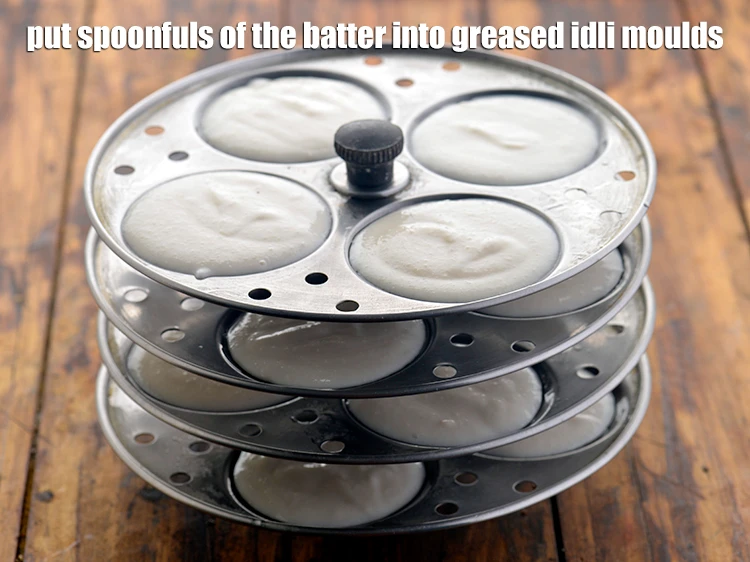
Put spoonfuls of the batter into greased idli moulds. Do not overfill as the idlis would require space to rise & the mould might get messy if you fill it till brim. Prepare all the idli plates like this.
-
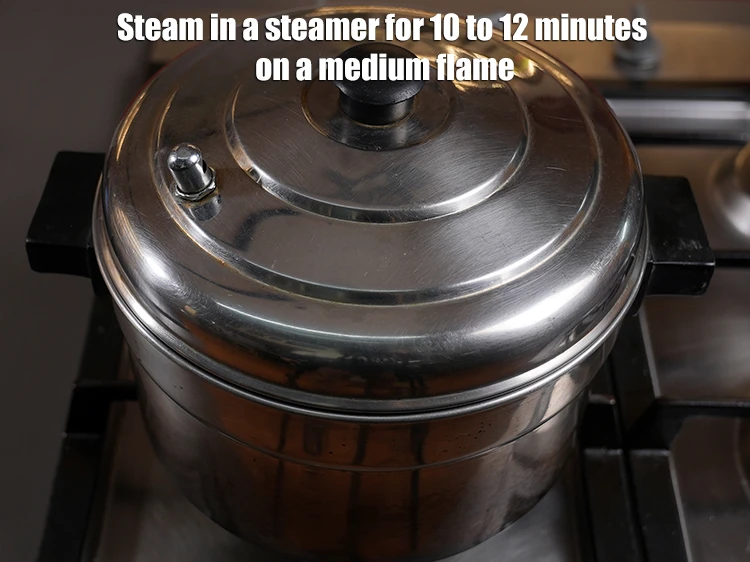
Steam in a steamer for 10 to 12 minutes on a medium flame. Always steam the idlis on medium heat to get soft idlis.
-
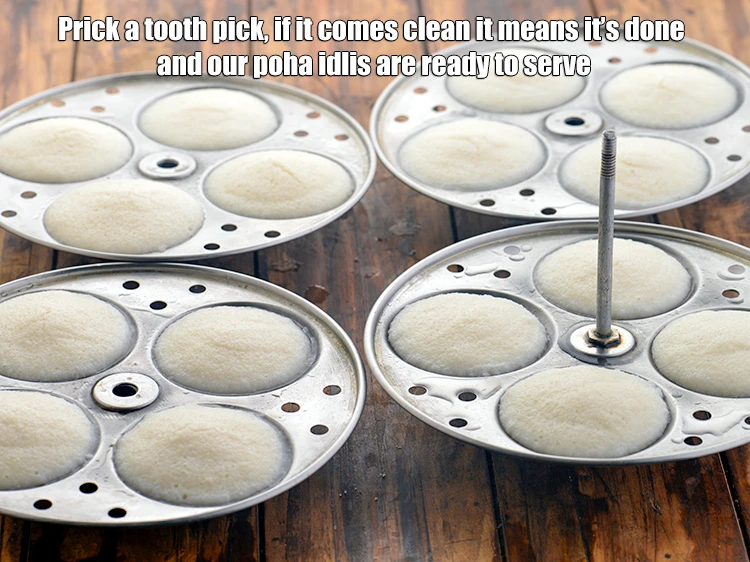
Prick a tooth pick, if it comes clean it means it’s done and our poha idlis are ready to serve.
-
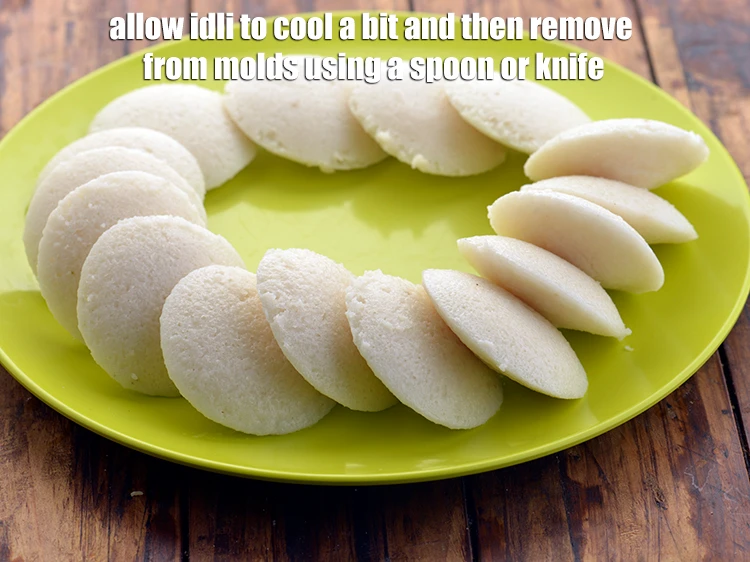
Allow the idli to cool a bit and then remove from molds using a spoon or knife. Dip the knife in oil or spoon with sharp edge in water if you are facing issues while removing the poha idli. Repeat with the remaining batter to make more poha idlis.
-
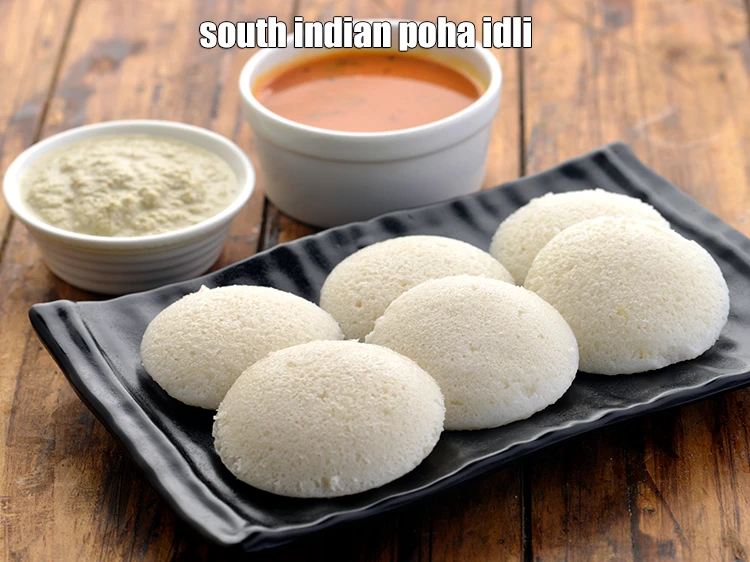
Serve the poha idli hot with sambhar and coconut chutney.
-
1. What is Poha Idli?
Poha Idli is a South Indian breakfast item made by combining rice semolina (idli rava) with flattened rice (poha/aval) and lentils. The batter is fermented and steamed to make soft, fluffy idlis.
2. Do I need to soak the ingredients before making the batter?
Yes. The rice semolina and poha are cleaned, washed, and soaked for a couple of hours to soften them. Urad dal (split black lentils) is also soaked separately.
3. Is fermentation necessary for Poha Idli?
For the classic version, yes the combined batter is set aside to ferment for several hours. Fermentation helps the idlis rise and makes them softer.
4. Can I make Poha Idli without fermenting?
Yes, instant Poha Idli variations exist where the batter is made with curd and/or baking soda (or eno) and steamed immediately without long fermentation. These are quicker options for busy mornings.
5. What type of poha should I use? Thick or thin?
Typically thick poha is used, but thin poha also works you may adjust the quantity slightly as per the recommended batter consistency seen in many variations.
6. How do I know when the idlis are cooked?
Idlis are done when a toothpick or knife inserted into the center comes out clean.
7. How long does it take to steam Poha Idli?
Once the batter is ready, steaming usually takes around 10–12 minutes on medium heat.
8. What should the texture of the batter be?
The batter should be light, slightly thick, and fluffy not too watery. Proper consistency helps idlis rise well and become soft.
9. What can I serve with Poha Idli?
Poha Idli goes well with classic South Indian accompaniments like sambar and coconut chutney.
10. Can I replace rice semolina with something else?
Some recipes use semolina (rava) or idli rava interchangeably. There are also variations where curd replaces fermentation, but traditional rice semolina gives a classic taste and texture.
11. Why is my Poha Idli not soft?
Common reasons include:
✔ Batter too thick or too thin
✔ Not enough fermentation (for traditional recipe)
✔ Incorrect soaking time for poha and rava
Adjust consistency and fermentation time for softer results.
12. Is it healthy?
Yes Poha Idli is a steamed dish with complex carbs and moderate protein, making it a lighter, wholesome breakfast option compared to fried foods.
Preparation & Soaking
- Soak ingredients properly
Soak the rice semolina (idli rava) and poha until they soften well this helps them blend smoothly and contributes to a lighter texture. Similarly, soak the urad dal separately so it blends into a fluffy paste. - Use fresh ingredients
Fresh rice and dal give better rise and softer idlis. Old or stale grains can make the texture heavier. - Fenugreek seeds (optional)
Adding a small amount of soaked fenugreek (methi) seeds along with dal can aid fermentation and improve texture, especially in cooler weather.
Grinding & Batter Tips
- Don’t over-add water while grinding
Keep the batter thick but pourable too much water can make idlis flat. Remember the batter will thin slightly during fermentation. - Grind poha smoothly
Make sure the poha is well blended so it disperses evenly, giving softness throughout. - Mix to aerate
After combining the ground batters, mix well to introduce air this helps fermentation.
Fermentation
- Temperature matters
Ferment the batter in a warm spot; cooler kitchens may slow the rise and lead to denser idlis. Cover loosely to allow air circulation. - Watch the rise
A well-fermented batter will expand and have tiny bubbles. This airy structure is key to soft idlis.
Steaming
- Grease the moulds lightly
A thin layer of oil or ghee keeps idlis from sticking and makes removal easier. - Steam on medium heat
Gentle, even steam gives the best texture super high heat can cook the outside too fast while leaving the inside dense. - Don’t overfill moulds
Leave space in the idli plates for the batter to expand as it steams.
Finishing Touches
- Check doneness properly
A toothpick or knife should come out clean when the idlis are done. - Rest before demoulding
Let idlis cool for a few minutes before removing this helps them set and reduces tearing.
Extra Pro Tips
✔ In case the batter hasn’t risen much, some home cooks add a small pinch of baking soda or fruit salt just before steaming to give extra lift.
✔ Serve idlis fresh and hot with chutney or sambar for best taste and texture.
Nutrient values (Abbrv)per plate
| Energy | 33 Calories |
| Protein | 1.3 g |
| Carbohydrates | 6.7 g |
| Fiber | 0.3 g |
| Fat | 0.1 g |
| Cholesterol | 0 mg |
| Sodium | 2 mg |
Click here to view Calories for Poha Idli ( How To Make Poha Idli )
The Nutrient info is complete

Loves Food
Feb. 26, 2021, 10:47 a.m.
Nice idli recipe.
Harpal
Feb. 4, 2016, 5:04 p.m.
How many days we can use this batter