Appam Recipe | Instant Soft Kerala Appam
 Tarla Dalal
• Updated : Jan 13, 2026
Tarla Dalal
• Updated : Jan 13, 2026
Appam is a tasty white Indian pancake crisp on the sides with a soft centre. appam or palappam are a famous Kerala breakfast made from raw rice, coconut milk, dry yeast and a little bit of sugar.
Appam is a famous dish from the Keralite repertoire of South Indian cooking. This Kerala appam is an easy-to-make, instant version of the otherwise tough-to-make dish. Since yeast is used, the batter need not be fermented for long unlike the traditional version.


Table of Content

This easy South Indian breakfast recipe for gluten-free appam features soft, lacy pancakes made with fermented rice batter, perfect for an authentic Kerala-style meal.
Notes on appam recipe. 1. The batter should rise, keep it in a warm place and it always depends on the weather conditions also. The batter will take time to rise if the weather outside is cold. The centre of the appam will always be thick. 2. Make sure the kadhai is hot when you make the appams. If the kadhai is not hot enough the batter will bounce back to the centre. 3. Dry yeast also should be dissolved and mixed well in the batter. 4. You need to use raw rice also known as (Kaccha chawal) in hindi which is readily available in any grocery store. And also see that you use thick coconut milk as you are adding warm water while grinding the rice. More water will split when you put in the appamchatty.
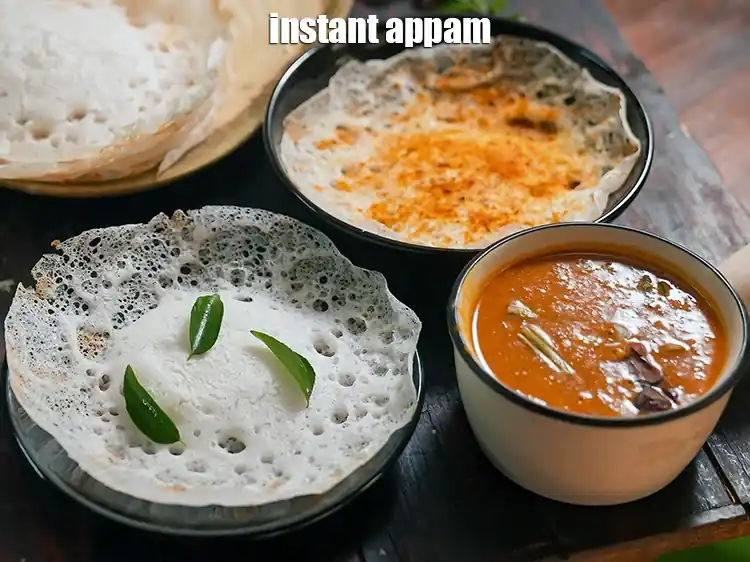
Serve appam with slightly-sweetened coconut milk and vegetable korma for a perfect meal!
Tags
Soaking Time
5 hours
Preparation Time
15 Mins
Cooking Time
30 Mins
Baking Time
0 Mins
Baking Temperature
0
Fermenting Time
3 hours
Total Time
45 Mins
Makes
15 appams
Ingredients
For The Appam
- 2 cups uncooked rice (chawal) , soaked for 4 to 5 hours and drained
-
1/2 cup cooked rice (chawal)
- 1/2 tsp instant dry yeast
- 2 pinches of sugar
- 1 cup coconut milk (nariyal ka doodh)
- salt to taste
- 2 tsp sugar
- 6 tsp oil for greasing and cooking
For Serving With Appam
Method
For the appam
- Combine the soaked rice, cooked rice and approx. ½ cup of warm water and blend in a mixer to smooth paste. Keep aside.
- Combine the instant dry yeast, sugar and ½ cup of warm water in a bowl and mix well.
- Cover and keep aside for 10 to 20 minutes or till bubbles appear.
- Combine the ground rice paste, coconut milk, salt and sugar and mix well.
- Add the prepared yeast mixture and mix very well. Cover and keep aside to ferment for 2 to 3 hours.
Making appam
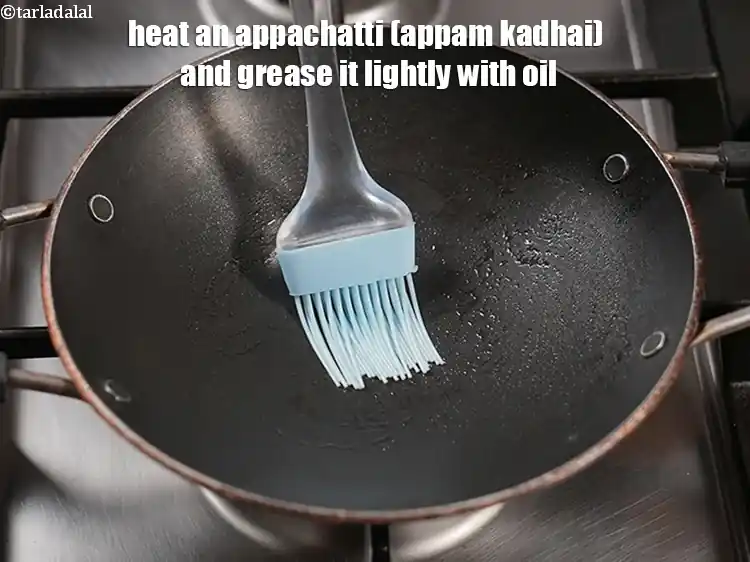
- To make appam, heat an appachatti (appam kadhai) and grease it lightly with oil.
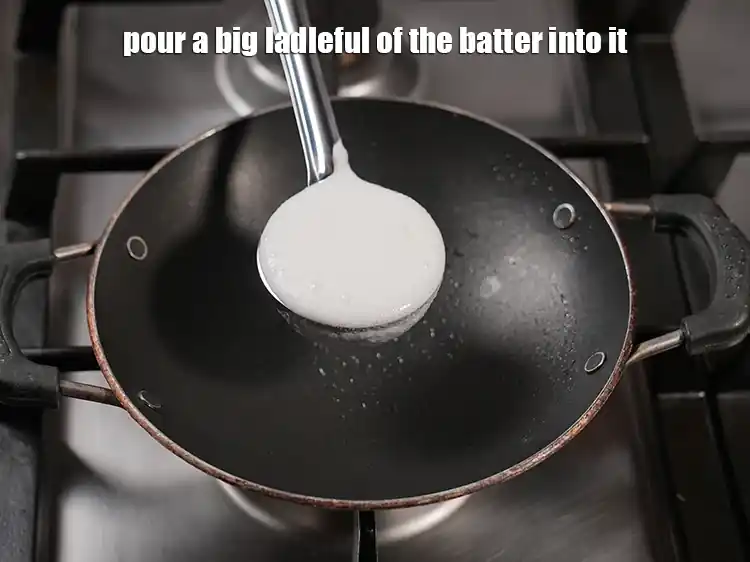
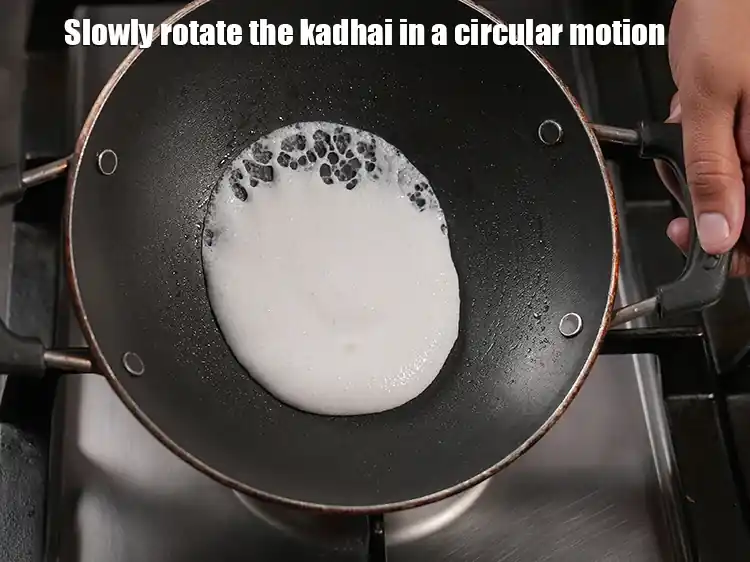
- Pour a big ladleful of the batter into it and slowly rotate the kadhai in a circular motion so that a thin layer forms on the side while it remains thick in the centre.
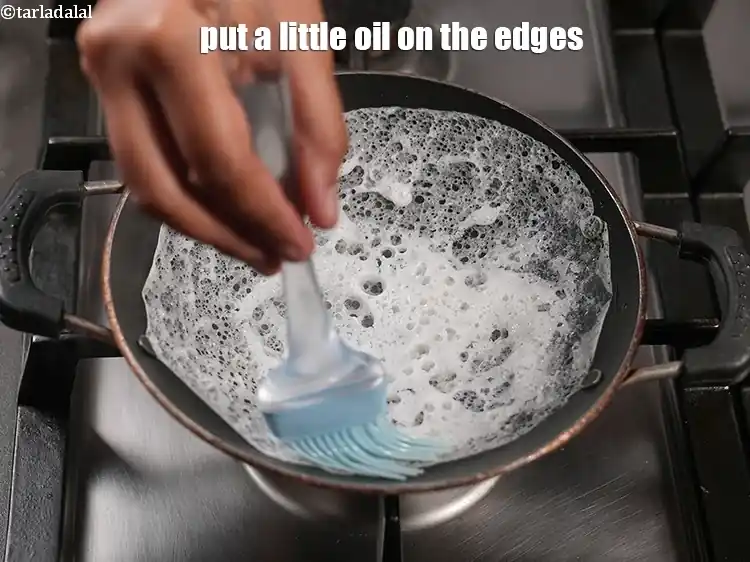
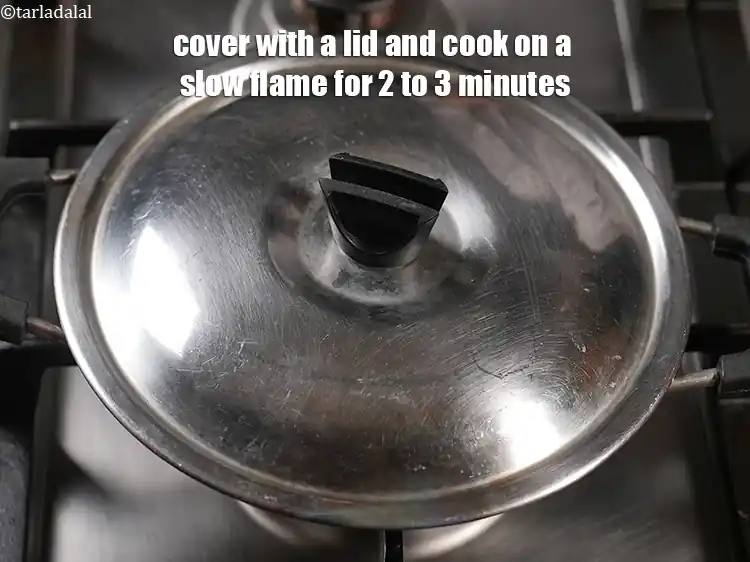
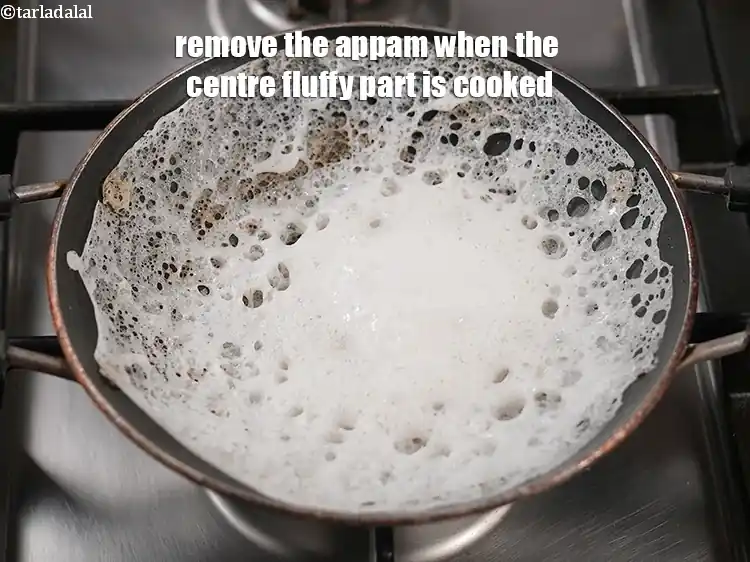
- Put a little oil on the edges, cover with a lid and cook on a slow flame for 2 to 3 minutes, remove the appam when the centre fluffy part is cooked.
- Repeat with the remaining batter to make 14 more appams.
- Serve appam immediately with coconut stew.
Appam ( How To Make Appam ) recipe with step by step photos
-
-
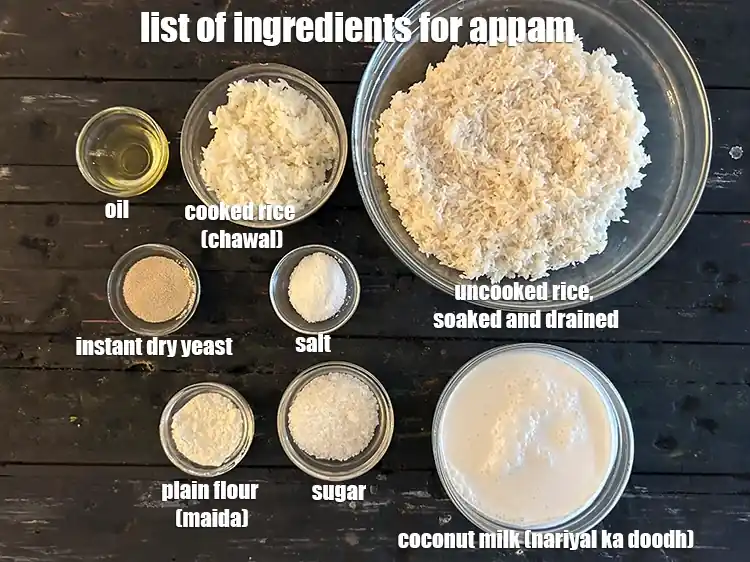
See below image of list of ingredients to make appam.
-
-
-
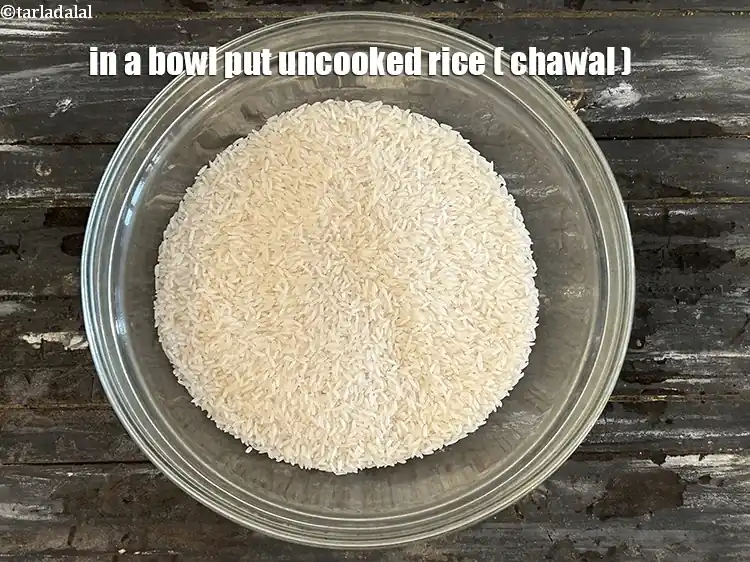
In a bowl put 2 cups uncooked rice (chawal).
-
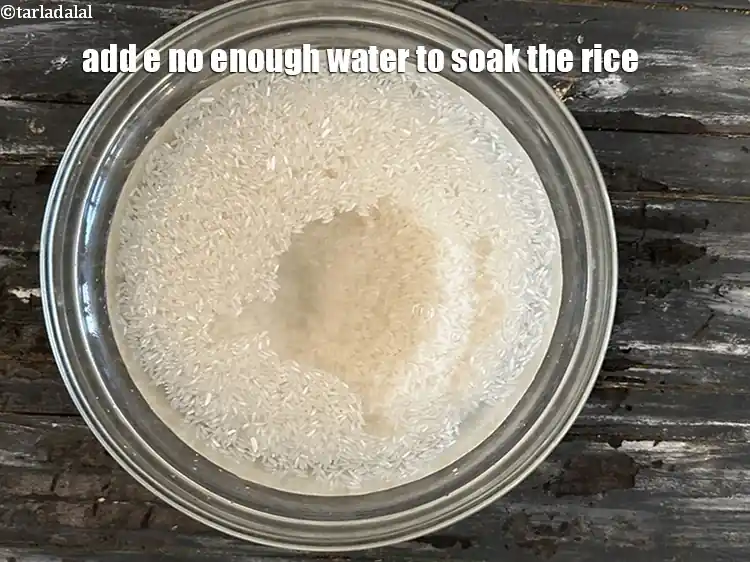
Add enough water to soak the rice.
-
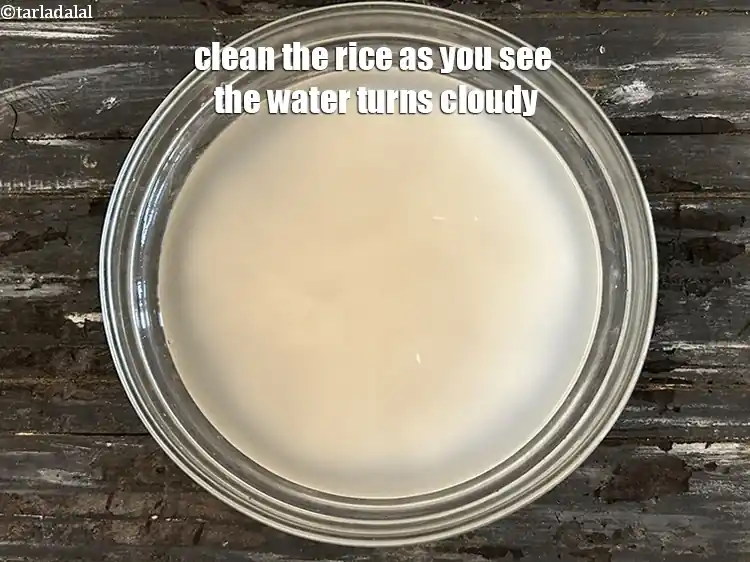
Clean the rice as you can see the water looks cloudy.
-
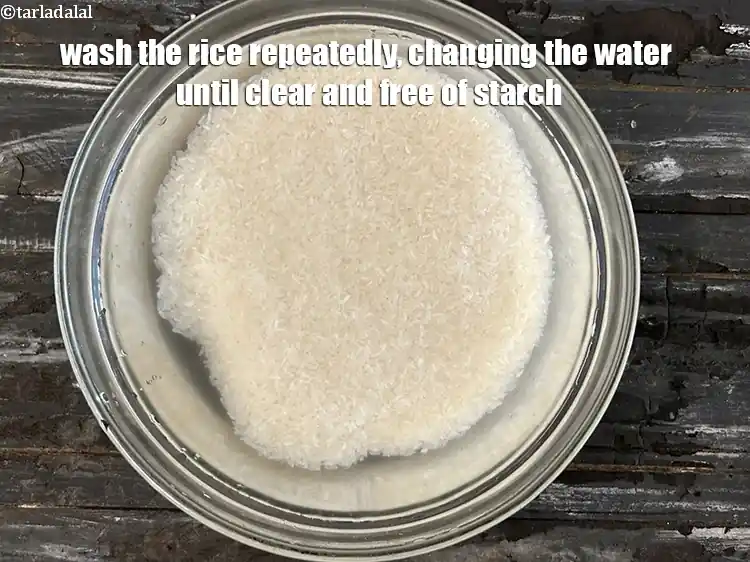
Wash the rice repeatedly, changing the water until it runs clear and free of starch.
-
Cover with a lid and soak for 4 to 6 hours or overnight. Soaking ensures the rice kernels absorb water more evenly,leading to more consistent and even cooking, with fewer mushy or uncooked grains.
-
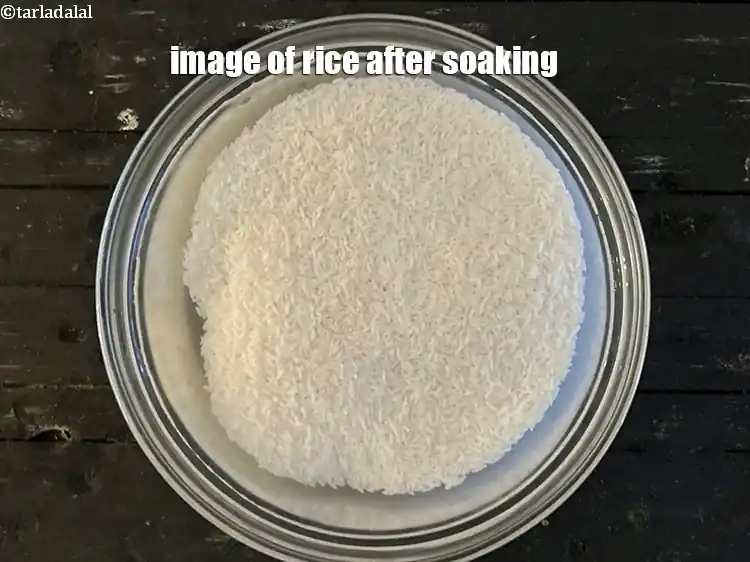
Image of rice after soaking.
-
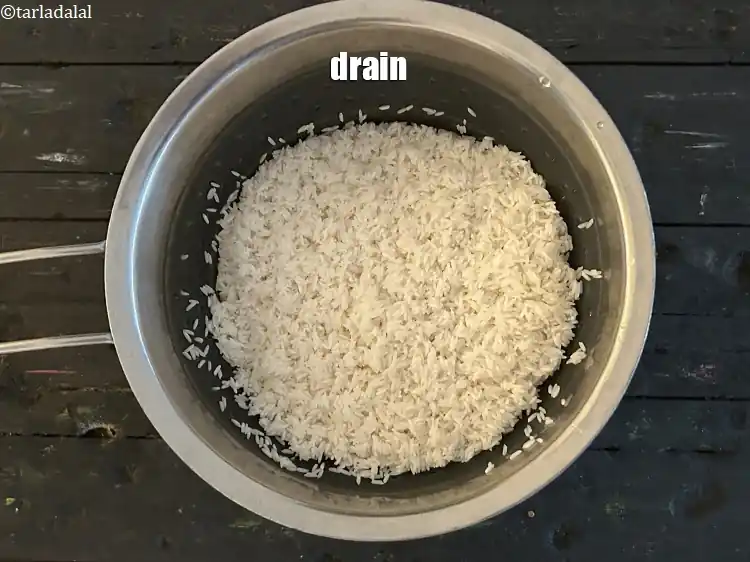
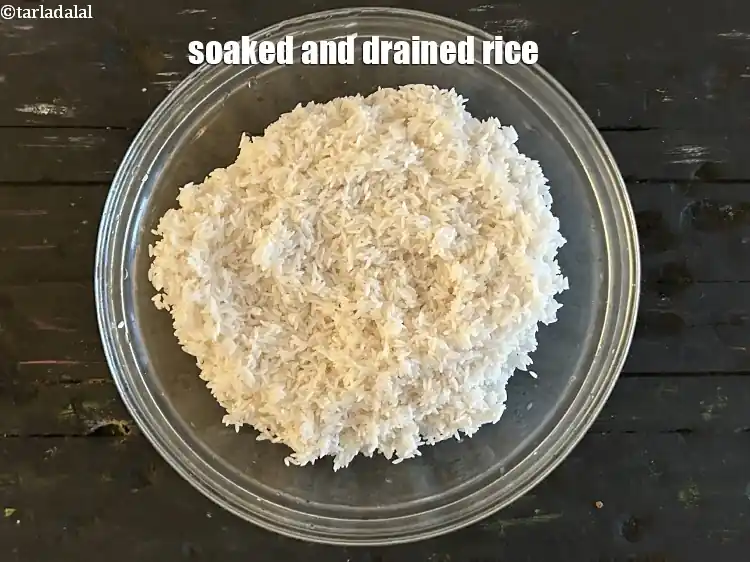
Drain.
-
Soaked and drained rice.
-
-
-
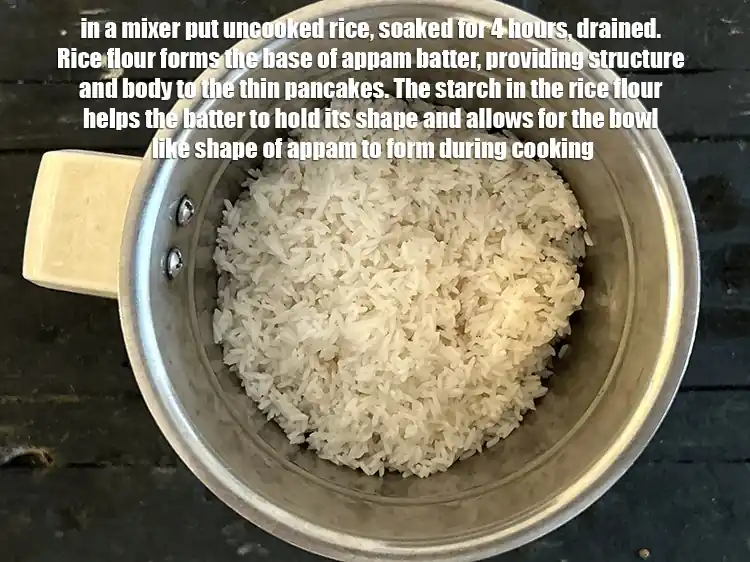
in a mixer put 2 cups uncooked rice (chawal) , soaked for 4 to 5 hours and drained. Rice flour forms the base of appam batter, providing structure and body to the thin pancake. The starch in the rice flour helps the batter hold its shape and allows for the characteristic bowl-like shape of appam to form during cooking.
-
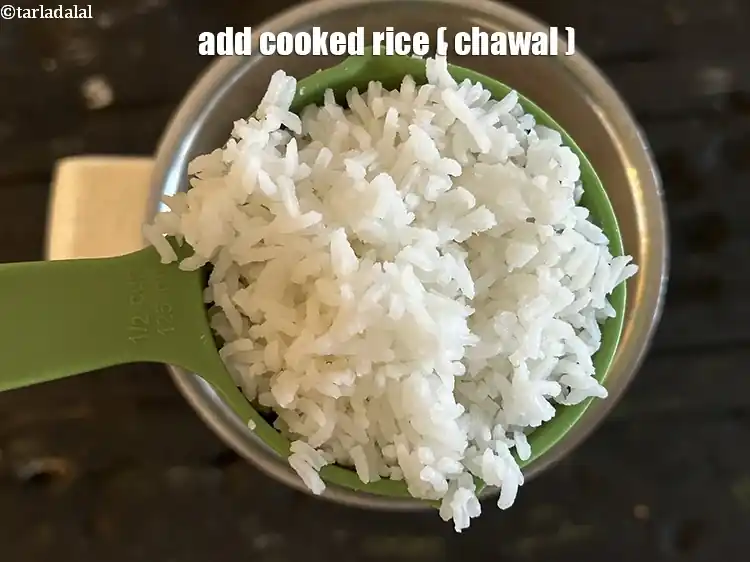
Add 1/2 cup cooked rice (chawal).
-
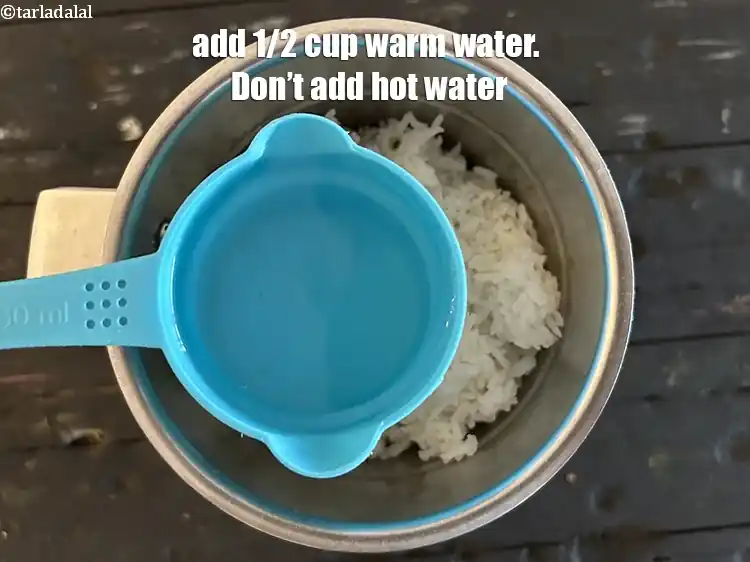
Add approx. ½ cup of warm water.
-
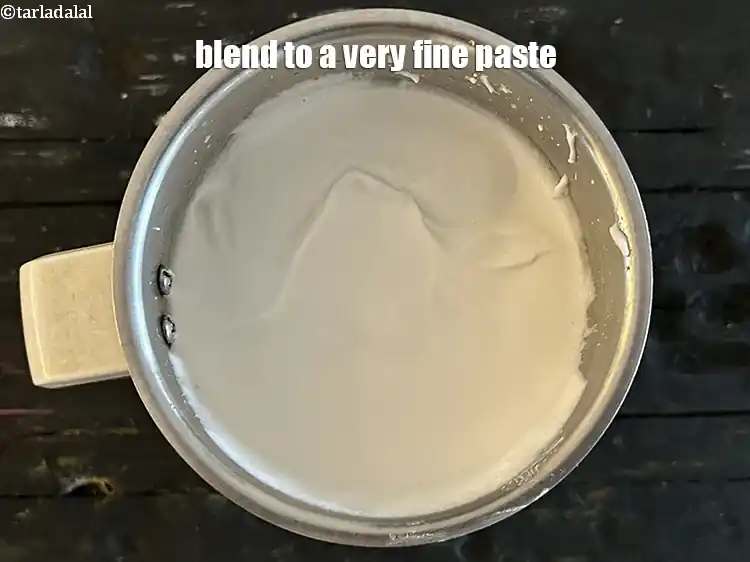
Blend in a mixer to smooth (very fine ) paste.
-
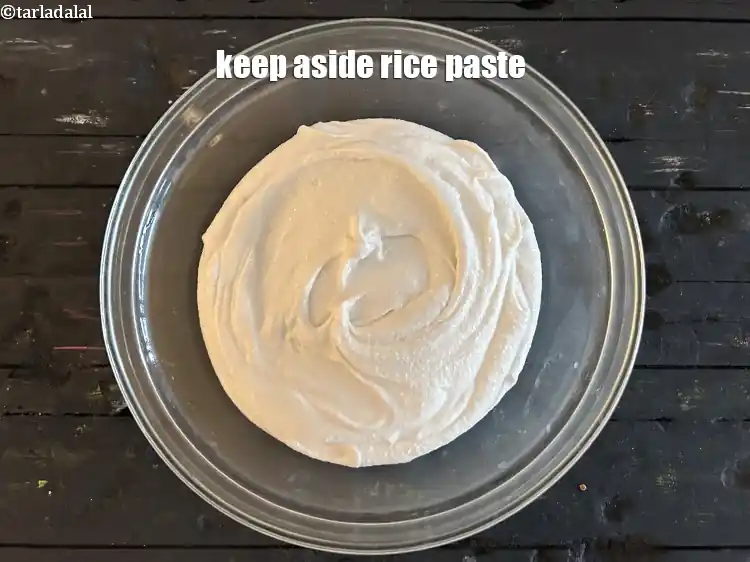
Keep aside rice paste.
-
-
-
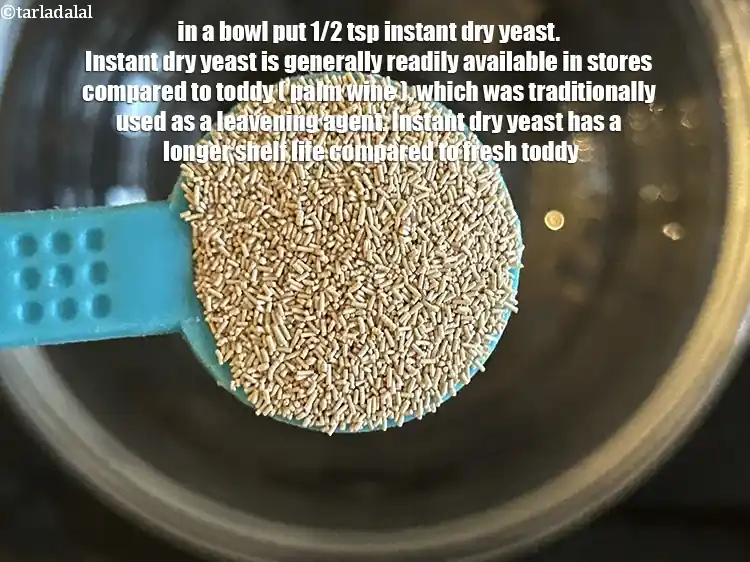
To make yeast mixture in a bowl put 1/2 tsp instant dry yeast. Instant dry yeast is generally more readily available in stores compared to toddy (palm wine), which was traditionally used as a leavening agent in appam. This makes it a convenient option for home cooks.Instant dry yeast has a longer shelf life compared to fresh toddy, which needs to be used within a short period. Instant dry yeast performs well across a wider range of temperatures, which can be helpful in regions with cooler climates where toddy fermentation might be less efficient.
-
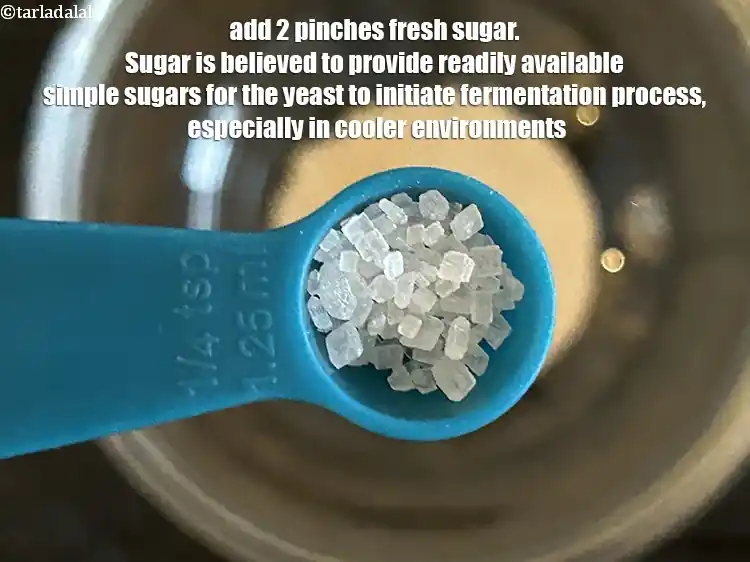
Add 2 pinches of sugar (optional). Sugar is believed to provide readily available simple sugars for the yeast to initiate the fermentation process, especially in cooler environments.
-
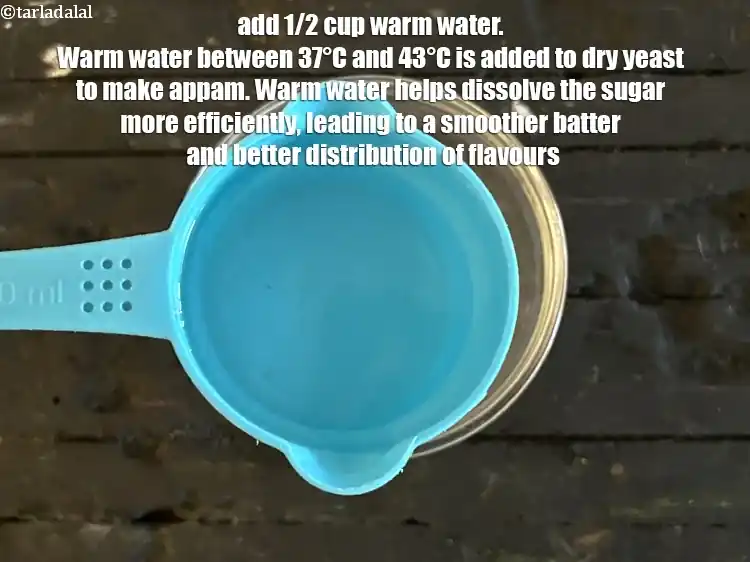
Add ½ cup of warm water. Warm water, ideally between 100°F and 110°F (37°C and 43°C), is added to dry yeast in making appam. Appam batter often includes sugar, toddy (palm wine), or other ingredients. Warm water can help dissolve these components more efficiently, leading to a smoother batter and better distribution of flavors.
-
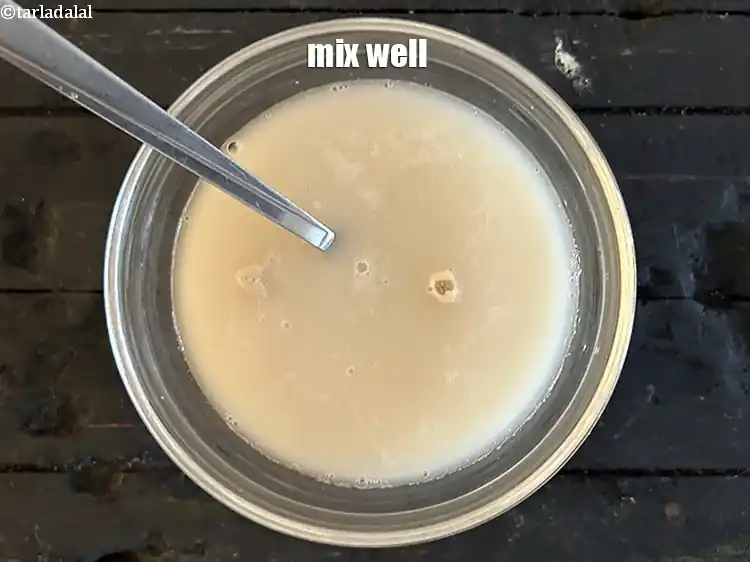
Mix well.
-
Cover and keep aside for 10 to 20 minutes or until bubbles appear. In colder climates it may take longer.
-
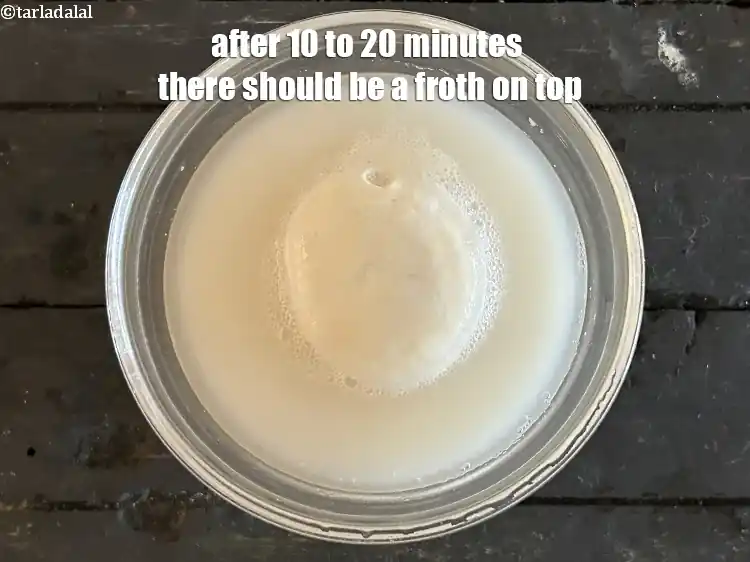
After 10 to 20 minutes there should be a froth on top. If there is not then discard this yeast mixture and make a fresh batch.
-
-
-
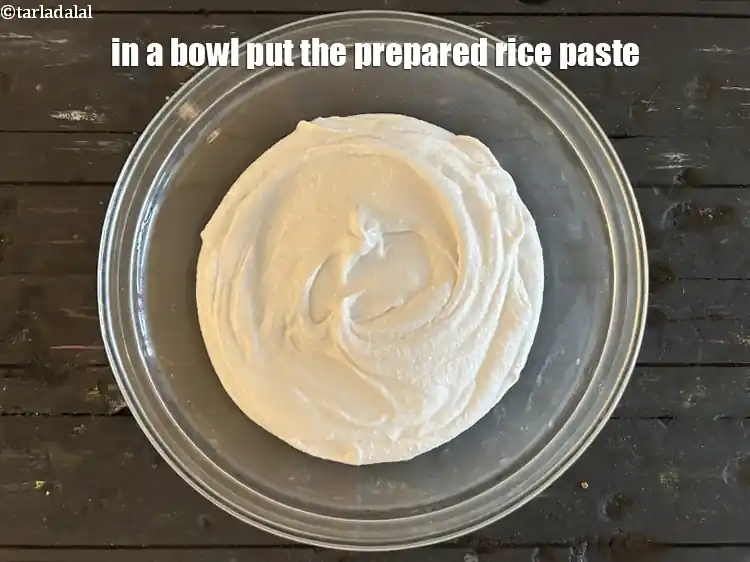
To make appam batter, in a bowl put the prepared rice paste.
-
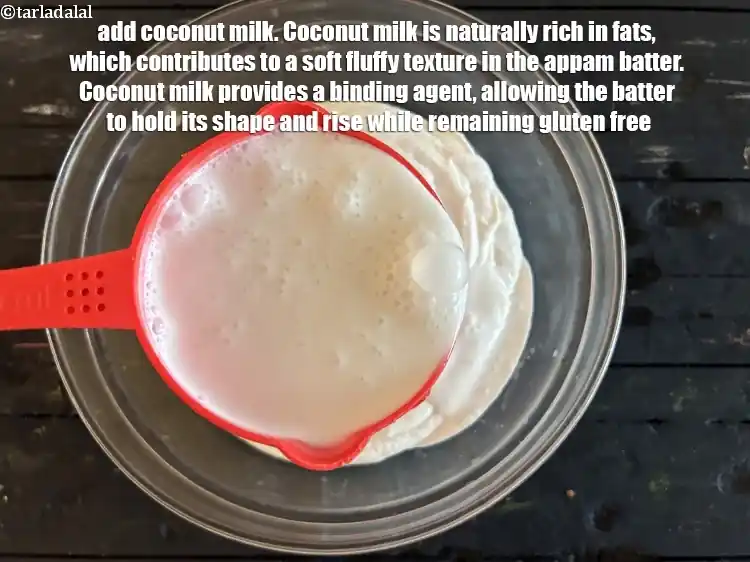
Add 1 cup coconut milk (nariyal ka doodh). Coconut milk is naturally rich in fats, which contribute to a soft and fluffy texture in the appam batter. This creates a pleasing contrast to the crispy exterior formed during cooking. Appam batter traditionally avoids gluten-containing flours like wheat. Coconut milk provides a binding agent, allowing the batter to hold its shape and rise while remaining gluten-free.
-
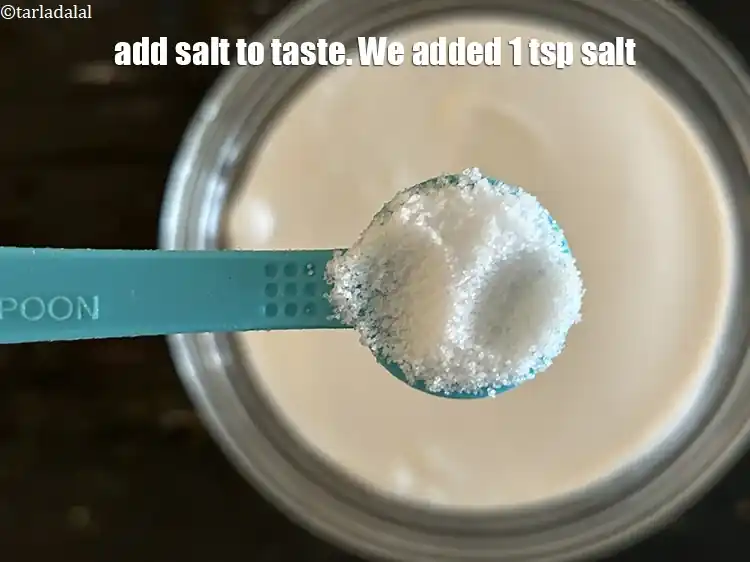
Add salt to taste. We added 1 tsp salt.
-
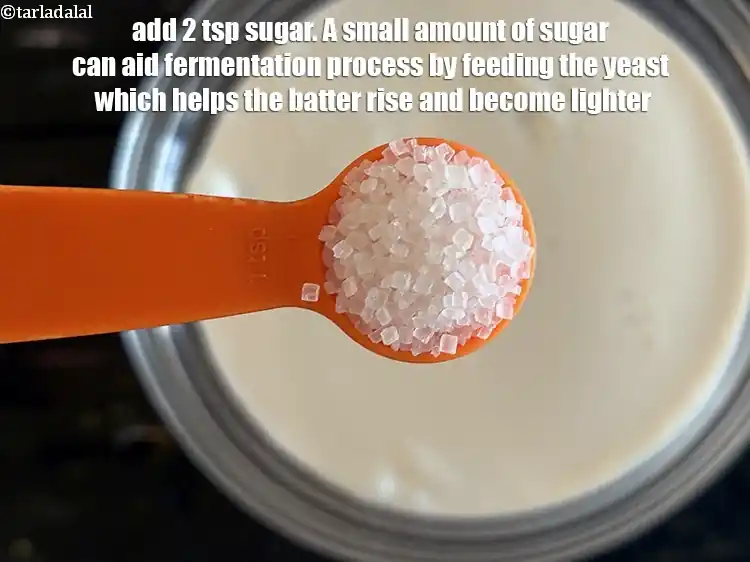
Add 2 tsp sugar. A small amount of sugar (usually less than 1 tablespoon) can aid the fermentation process by feeding the yeast, which helps the batter rise and become lighter. A subtle sweetness can complement the savory notes of coconut and spices in the appam. However, appam is not typically considered a sweet dish, and the sweetness from sugar should be very mild.
-
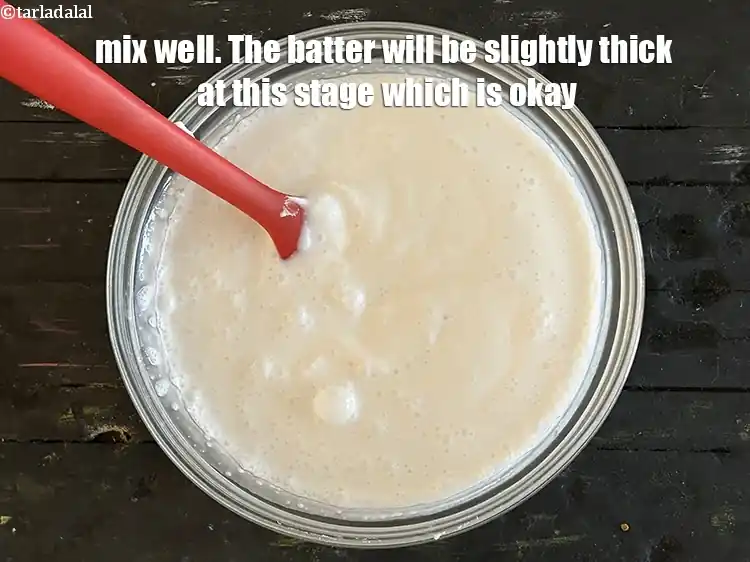
Mix well. The batter may be slightly thick at this stage and that is okay.
-
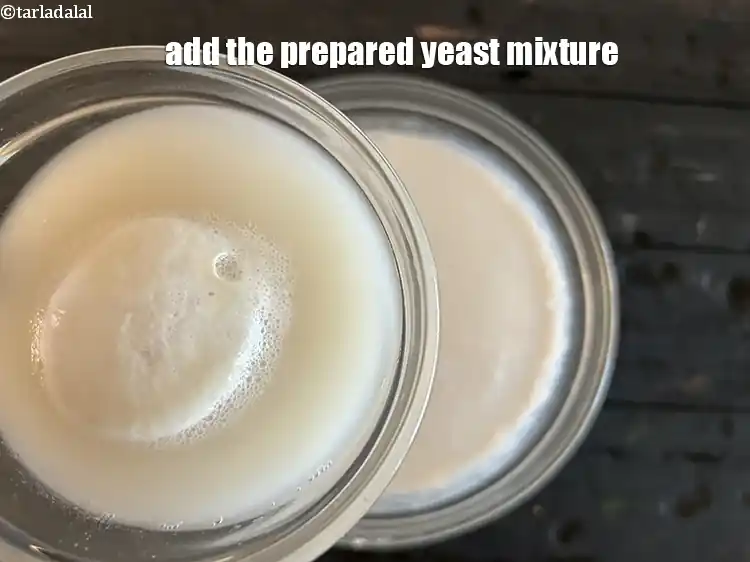
Add the prepared yeast mixture.
-
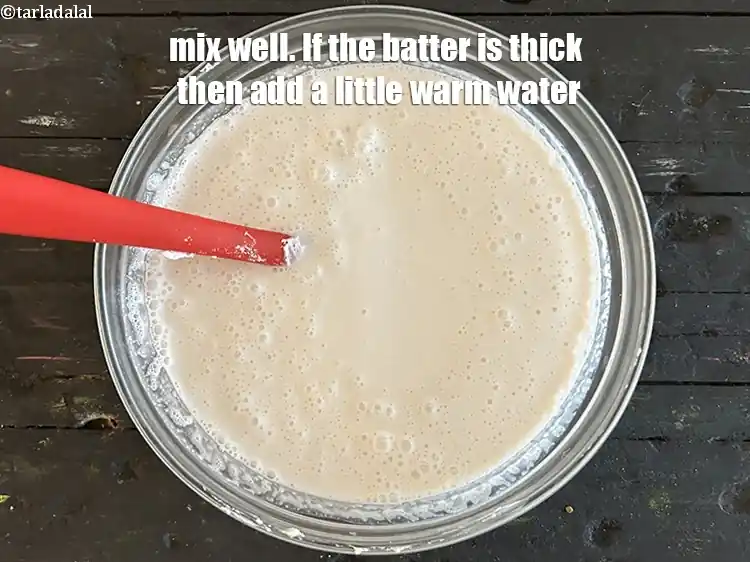
Mix very well. If the batter is too thick then add little warm water.
-
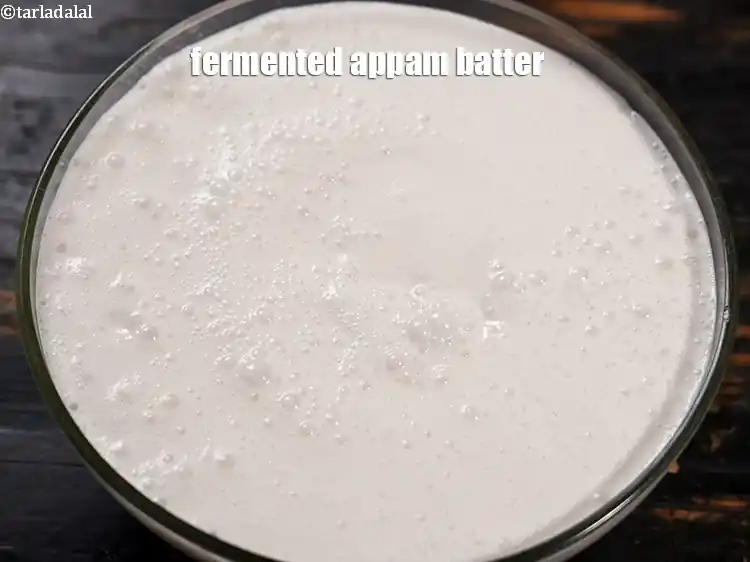
Cover and keep aside the batter to ferment for 2 to 3 hours. This is essential for achieving the characteristic spongy and soft texture of appam. Appam batter ferments well in warm climates or when placed near a heat source like a stovetop or oven. In cold climate batter will take longer to ferment.
-
Fermented appam batter.
-
-
-
Heat an appachatti (appam kadhai) and grease it lightly with oil.
-
Pour a big ladleful of the batter into it.
-
Slowly rotate the kadhai in a circular motion so that a thin layer forms on the side while it remains thick in the centre.
-
Put a little oil on the edges.
-
Cover with a lid and cook on a slow flame for 2 to 3 minutes.
-
Remove the appam when the centre fluffy part is cooked.
-
Serve appam immediately with coconut stew, milagai podi powder, coconut chutney, sambar.
-
-
-
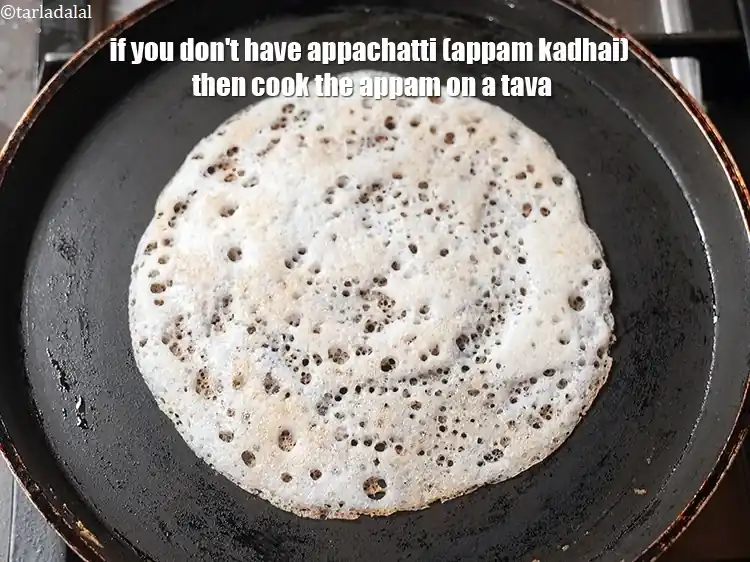
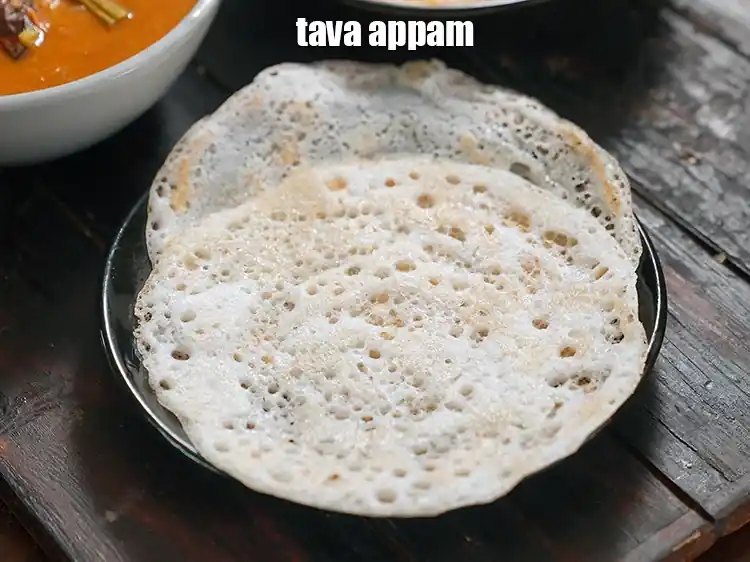
To make the Tava appam, If you don't have appachatti (appam kadhai) then cook the appam on a tava.
-
Serve tava appam with coconut chutney, sambar or coconut stew.
-
- My batter rose well and tasted great, but it didn’t spread on the appam pan and the centre remained very thick. Why?
The batter needs to be well fermented and should be poured into a hot appam pan (kadhai). A cold pan causes the batter to stay in the centre instead of spreading on the sides. - When I pour the batter into the kadhai, it doesn’t spread. What am I doing wrong?
Make sure the appam kadhai is very hot before adding batter. If it’s not hot enough, the batter springs back to the centre and won’t spread out to form the bowl shape. - My batter didn’t rise and instead separated with water on top — what could be the issue?
This can happen if the yeast wasn’t activated properly, if the batter wasn’t kept in a warm place, or if the yeast wasn’t dissolved well. Fermentation slows in cold conditions. - I followed the recipe exactly but the batter didn’t rise and split at the edges when poured. What went wrong?
Using the wrong rice (like idli rice) or too thin coconut milk can cause this. The recipe specifically uses raw rice (kaccha chawal) and thick coconut milk for best results. - Should I use thick or thin coconut milk? How much coconut for 1 cup?
Use thick coconut milk as specified in the recipe. The recipe assumes you’ll use ready-made thick coconut milk, not the watery first extraction of grated coconut. - Why is sugar added to the appam batter?
Sugar helps feed the yeast and supports fermentation, resulting in a lighter, softer texture. It also adds a slight sweet balance to the coconut flavour. (Inferred from fermentation technique explained) - Can I make appam without a traditional appachatti (appam pan)?
Yes you can make a version of appam on a tava (flat griddle), though the shape won’t be the traditional bowl shape. - Is the batter supposed to be thick or thin?
The batter should be pourable but slightly thick. If too thick, add a little warm water before fermenting. - How long should I ferment the appam batter?
According to the recipe, the batter should be kept to ferment for about 2–3 hours in a warm place for best results. - What should I serve appam with?
Appam is traditionally served with coconut stew, vegetable korma, sambar, chutney, or milagai podi making it a complete breakfast or meal.
If you liked this appam recipe then also check out other recipes like:
1. Soak Rice Properly
Soak the uncooked rice for at least 4–5 hours (or overnight if possible). Proper soaking helps the grains absorb water evenly, leading to a smoother batter and softer appams.
2. Activate Yeast Correctly
When mixing the instant dry yeast with sugar and warm water, make sure the water is warm but not hot. Let it sit until bubbles appear this means the yeast is active and ready to help your batter rise.
3. Ferment in a Warm Spot
Appam batter ferments best in a warm place. If your kitchen is cool, place the batter near a heat source (like oven with light on) to help fermentation. Proper fermentation gives appams their soft, fluffy centers.
4. Check Batter Consistency
Your batter should be pourable but not too thin. If it’s too thick, add a splash of warm water and mix well. A well-balanced batter spreads nicely on the appachatti.
5. Heat the Appachatti Well
Before pouring batter, preheat the appam pan (appachatti). If it’s not hot enough, the batter won’t spread properly and may bunch in the center instead of creating thin lacy edges.
6. Use Thick Coconut Milk
Using thick coconut milk helps give appams their signature soft texture and good flavor. Thin coconut milk or too much water can make the appams fragile or split during cooking.
7. Don’t Rush the Cooking
After pouring and swirling the batter, cook on low flame with the lid on. This ensures the center cooks through without burning the edges.
8. Serve Fresh
Appams are best served immediately while still soft. They pair beautifully with coconut stew, chutney or kurma.
Nutrient values (Abbrv)per plate
| Energy | 138 Calories |
| Protein | 1.9 g |
| Carbohydrates | 19.5 g |
| Fiber | 1.3 g |
| Fat | 6.1 g |
| Cholesterol | 0 mg |
| Sodium | 4 mg |
Click here to view Calories for Appam ( How To Make Appam )
The Nutrient info is complete

Foodie #513182
Feb. 6, 2021, 8:27 p.m.
Foodie #555986
Jan. 22, 2021, 3:16 p.m.
like it
Foodie #511938
July 6, 2020, 10:46 a.m.
Sharmistha Mazumdar
Feb. 12, 2020, 1:27 p.m.
Can I use something instead of yeast?

Tarla Dalal
Feb. 12, 2020, 1:27 p.m.
Hi, Sorry no replacement for yeast.
MaryZareah
Oct. 28, 2019, 10:52 a.m.
Excellent , was searching for it and now got an easy recipe to make Appams, thank you tarla ben :)
beena agnihotry
Sept. 16, 2018, 1:38 p.m.
Hi i am v happy ur all recipes Pls try and iam looking forward baking recipes Thanks
Tarla Dalal
Sept. 16, 2018, 1:38 p.m.
Hi Beena, thank you for your feedback. Happy cooking!
Foodie #566676
July 27, 2017, 2:34 p.m.
Excellent , Thank you very much
Namo Ram
July 19, 2017, 11:12 a.m.
can we use palm wine instead of yeast?
Tarla Dalal
July 19, 2017, 11:12 a.m.
Yes, you can use it. But the fermentation time may be more than 2 to 3 hours as mentioned in the recipe. So, kindly adjust the fermentation time accordingly.
Mrs.arvind
Sept. 8, 2016, 11:53 a.m.
hi mam...i will try
Tarla Dalal
Sept. 8, 2016, 11:53 a.m.
Thanks Mrs Arvind. Let us know how the Appam can out. Happy cooking.
Alka
June 6, 2016, 3:30 p.m.
Fine recipe is good and easy just like dosa
May 9, 2016, 7:36 a.m.
Laura Plumb
Sept. 22, 2015, 6:50 p.m.
Thank you Tarla. This is so helpful.
Suesh
Nov. 20, 2014, 2:04 p.m.
Tarla Dalal
Nov. 20, 2014, 2:04 p.m.
thanks for the feedback !!! keep reviewing recipes you loved.
mangala kandur
Oct. 7, 2014, 12:32 p.m.
instead of yeast,what can we use.
Tarla Dalal
Oct. 7, 2014, 12:32 p.m.
Hi, this is an instant recipe, that is why yeast has been used in the recipe.
raj kumar
Oct. 16, 2012, 3:29 p.m.
Humko acha laga
raj kumar
Oct. 10, 2012, 9:29 a.m.