Soft & Nutritious Vegetable Idlis Made at Home
 Tarla Dalal
• Updated : Jan 02, 2026
Tarla Dalal
• Updated : Jan 02, 2026
Vegetable Idli Recipe is a delicious and nutritious twist on the classic South Indian breakfast that many of us grew up loving. Soft, fluffy, and lightly spiced, these vegetable idlis are packed with grated carrots, cabbage, onions, and the subtle richness of coconut milk, making them both tasty and wholesome. If you’re looking for a healthy South Indian breakfast that’s easy on the stomach yet full of flavor, this recipe fits perfectly into your daily routine. Unlike regular idlis, the vegetables are mixed directly into the batter, giving every bite a colorful, satisfying texture. Whether you’re cooking for family, kids, or guests, this vegetable idli recipe is a great way to serve comfort food with added nutrition.



Table of Content

About the Recipe
What makes this vegetable idli recipe with coconut milk special is its soft texture and mildly sweet aroma. The batter is prepared using parboiled rice and urad dal, blended smoothly with coconut milk instead of plain water. This not only enhances the taste but also keeps the idlis moist and tender after steaming. Fresh vegetables added before fermentation soften naturally and cook along with the idlis, saving time and effort. The result is a batch of soft vegetable idlis that are light, flavorful, and perfect for breakfast or even a healthy evening snack.
Serving & Benefits
These healthy vegetable idlis are best enjoyed hot with coconut chutney, tomato chutney, or a bowl of sambar. They are steamed, not fried, making them low in oil and easy to digest. Rich in fiber and nutrients from vegetables, this South Indian vegetable idli recipe is ideal for those who want balanced meals without compromising on taste. You can also pack them in lunchboxes or serve them to kids as a nutritious alternative to regular snacks. Simple, wholesome, and comforting, this recipe is sure to become a regular favorite in your kitchen.
Pro tips for vegetable idlis. 1. Add coconut milk. This will help in blending and making the mixture smooth. 2. Blend in a mixer till it s really smooth. No grain of rice or urad dal should remain behind. 3. Steam in a steamer for 10 to 12 minutes or till the idlis are cooked. Make sure you steam the idlis on medium flame or else they will turn hard.
Tags
Soaking Time
2 hours
Preparation Time
10 Mins
Cooking Time
12 Mins
Baking Time
0 Mins
Baking Temperature
0
Fermenting Time
8 hours
Total Time
22 Mins
Makes
16 idlis
Ingredients
For Vegetable Idlis
- 1/2 cup grated carrot
- 1/4 cup grated cabbage
- 1/2 cup finely chopped onion
- 2 tbsp urad dal (split black lentils)
- 1 cup parboiled rice (ukda chawal)
- 1/4 cup coconut milk (nariyal ka doodh)
- 1/2 tsp cumin seeds (jeera)
- 1 tbsp grated coconut
- salt to taste
For Serving
Method
For vegetable idlis
- To make vegetable idlis, wash and soak the urad dal and parboiled rice together for at least 2 hours.
- Drain well, add the coconut milk and 1 cup of water and blend in a mixer to a smooth mixture.
- Transfer it to a deep bowl and add the onion, carrot, cabbage, cumin seeds, coconut and salt and mix well. Cover and allow to ferment in a warm place for 8 hours.
- Pour spoonfuls of batter into greased idli moulds and steam in a steamer for 10 to 12 minutes or till they are done.
- Serve the vegetable idlis hot with sambar or coconut chutney.
Vegetable Idlis recipe with step by step photos
-
-
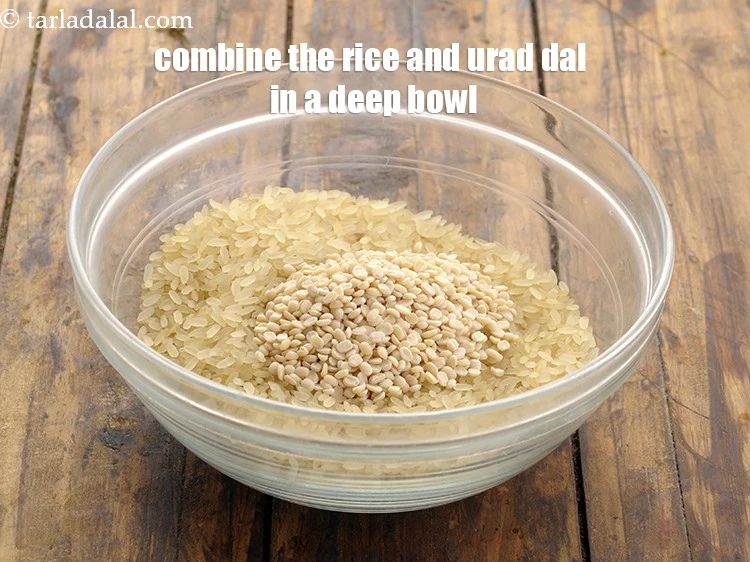
For the Vegetable Idli, combine the 1 cup parboiled rice (ukda chawal) and 2 tbsp urad dal (split black lentils) in a deep bowl.
-
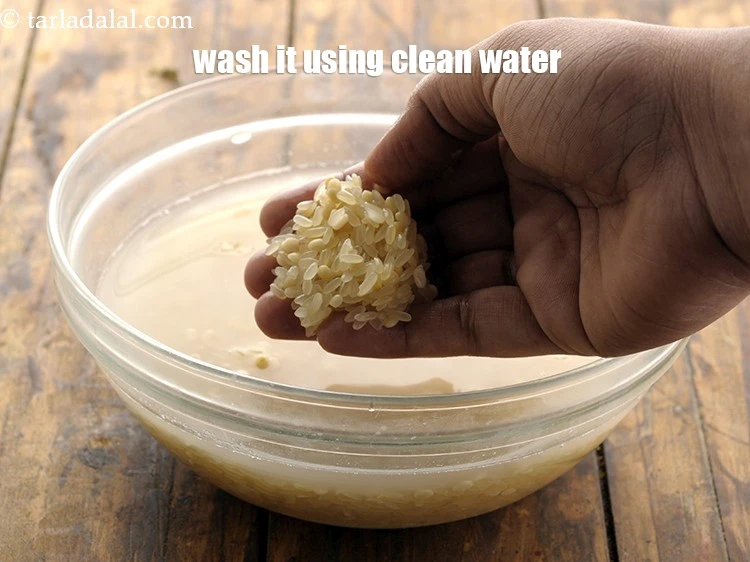
Wash it using clean water.
-
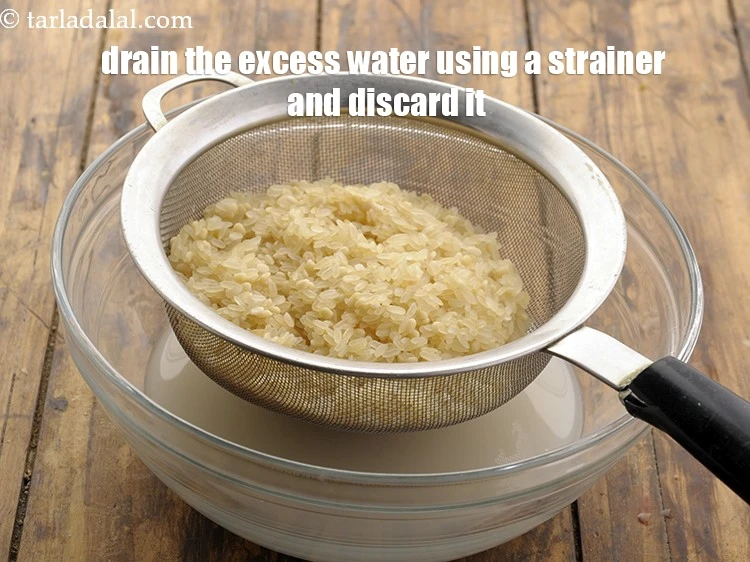
Drain the excess water using a strainer and discard it.
-
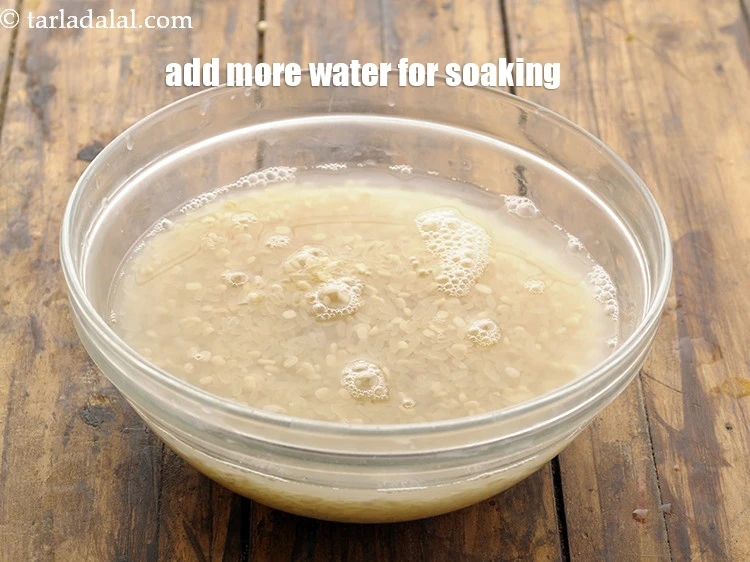
Add more water for soaking.
-
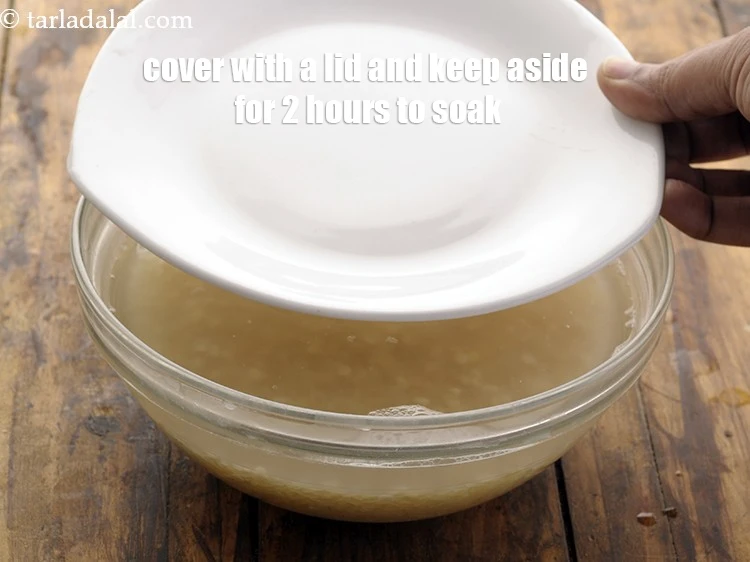
Cover with a lid and keep aside for 2 hours to soak.
-
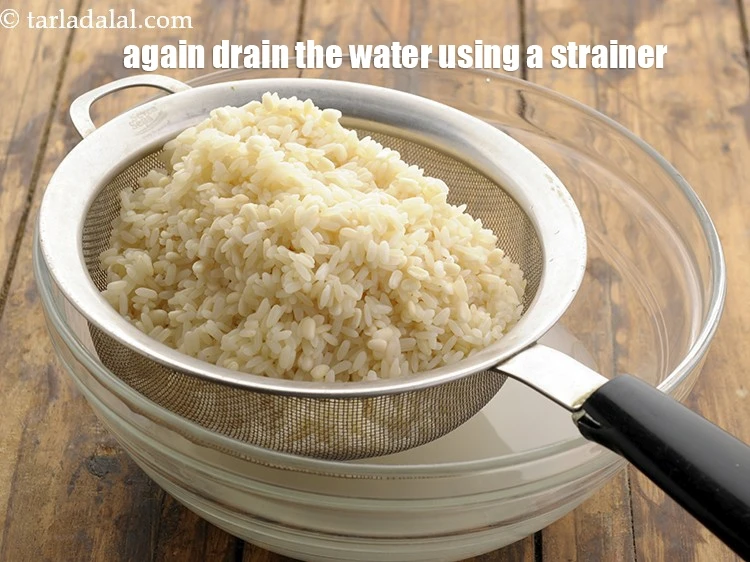
Again drain the water using a strainer.
-
-
-
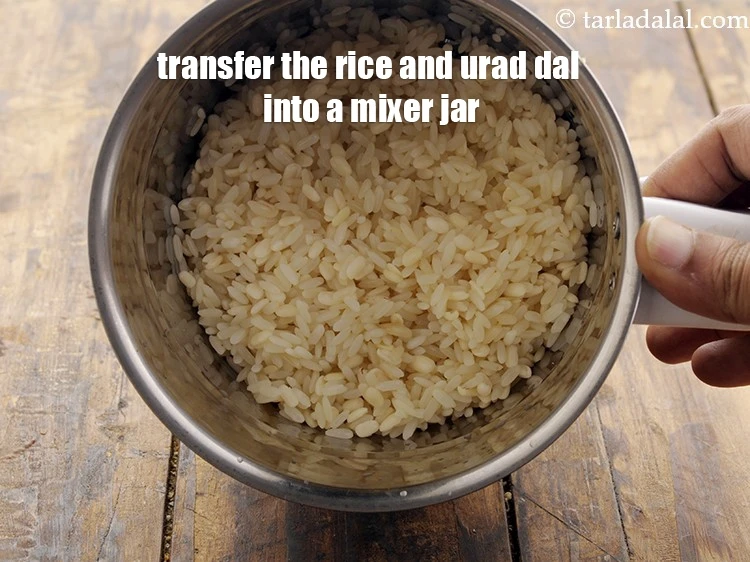
In a mixer put the washed, soaked and drained urad dal and parboiled rice.
-
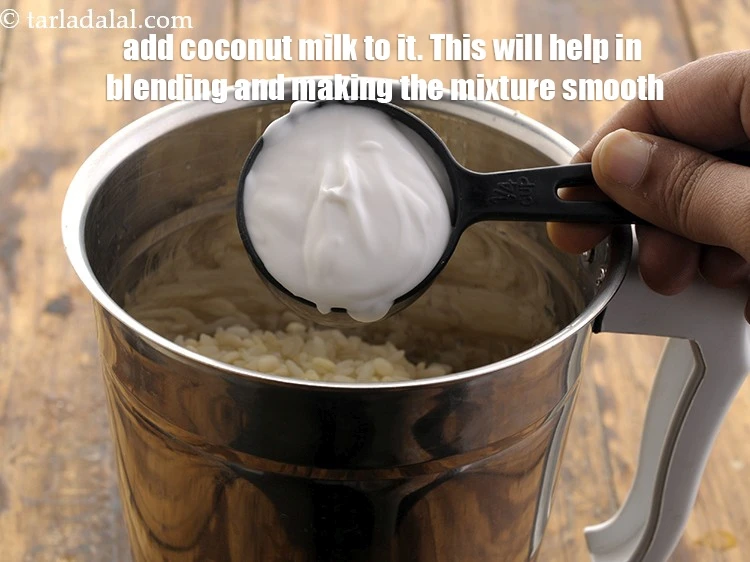
Add 1/4 cup coconut milk. This will help in blending and making the mixture smooth.
-
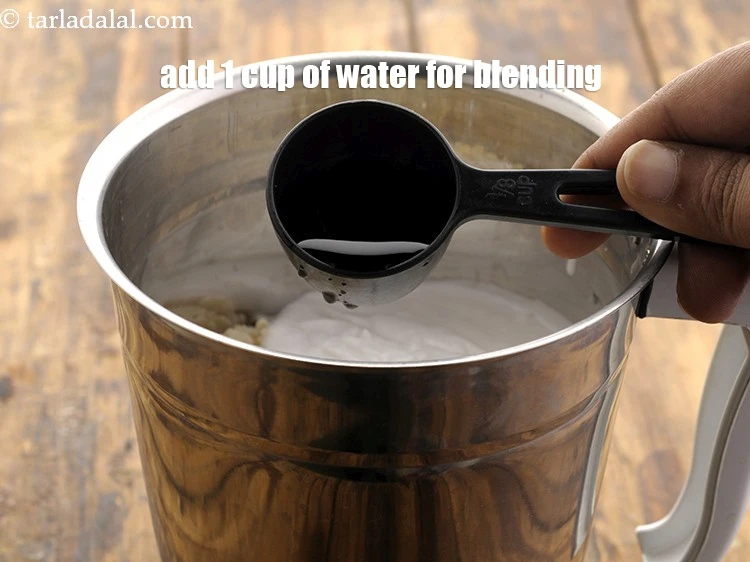
Add 1 cup of water for blending.
-
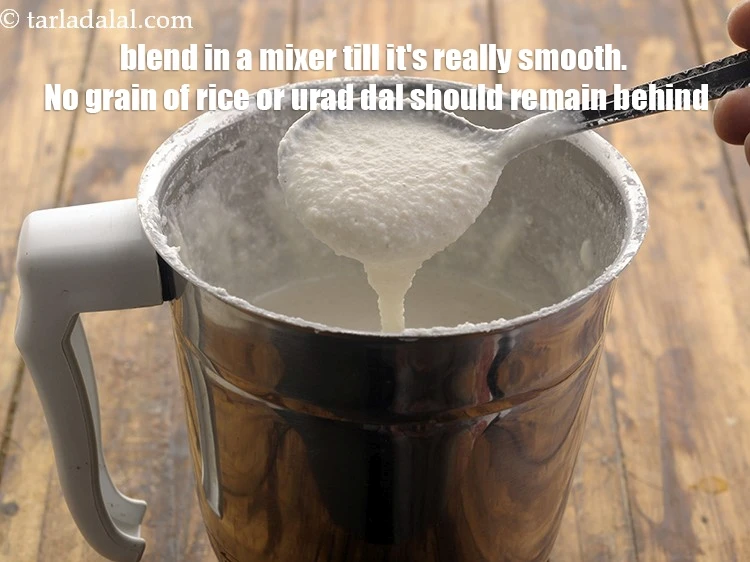
Blend in a mixer till it's really smooth. No grain of rice or urad dal should remain behind.
-
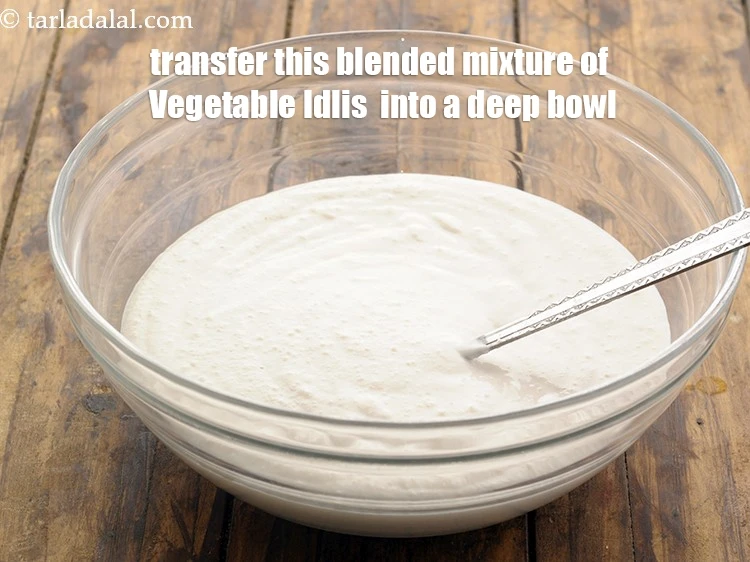
Transfer mixture to a deep bowl.
-
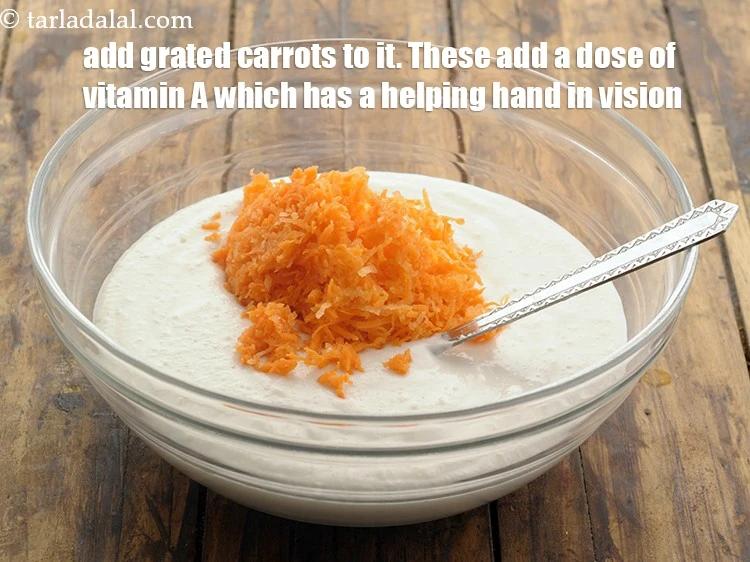
Add 1/2 cup grated carrot. These add a dose of vitamin A which have a helping hand in vision.
-
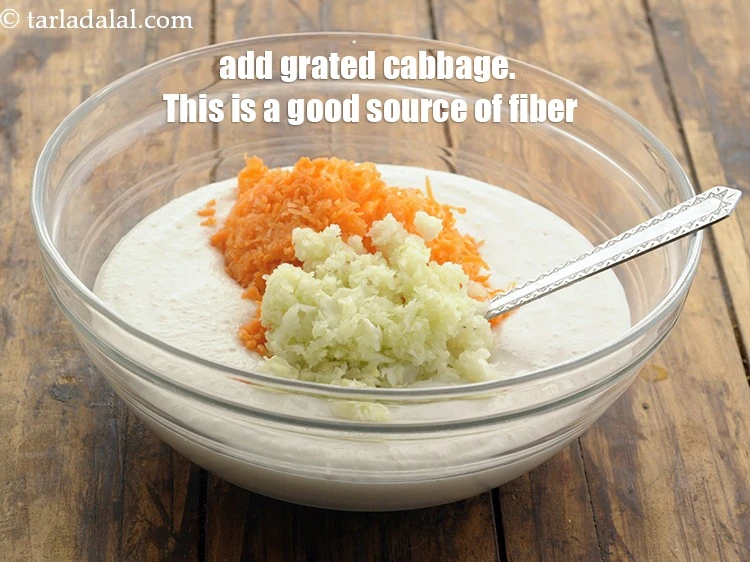
Add 1/4 cup grated cabbage. This is a good source of fiber.
-
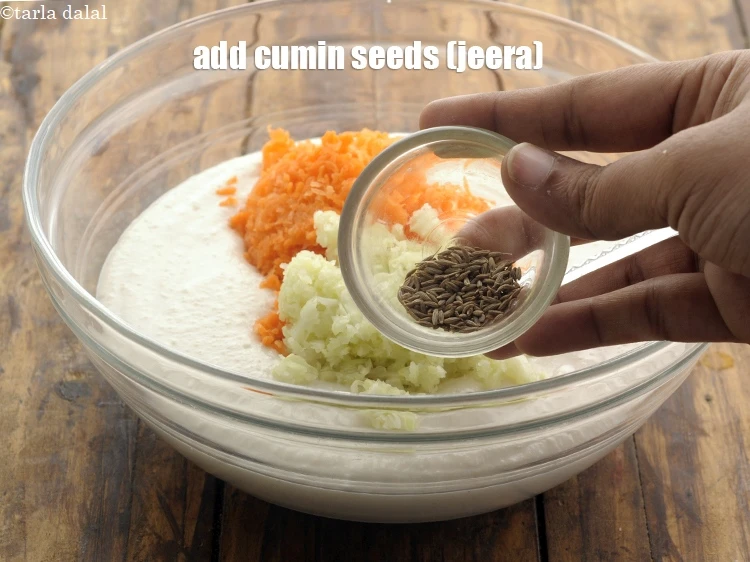
Add 1/2 tsp cumin seeds (jeera).
-
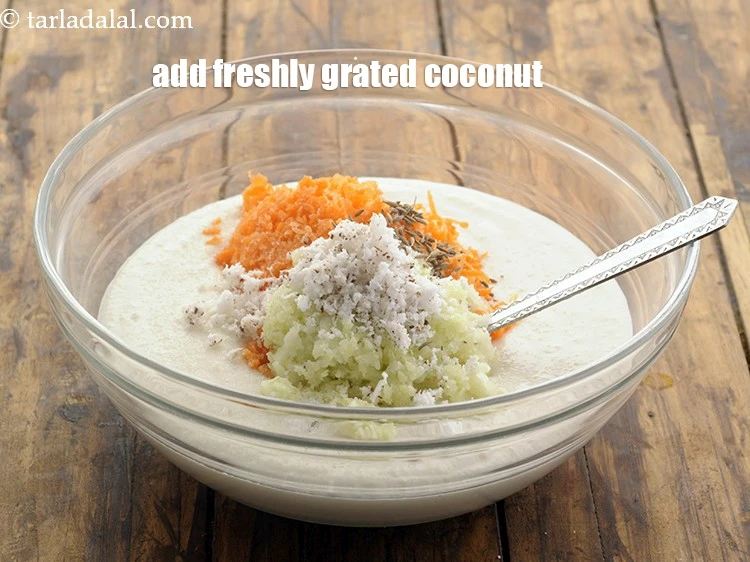
Add 1 tbsp grated coconut.
-
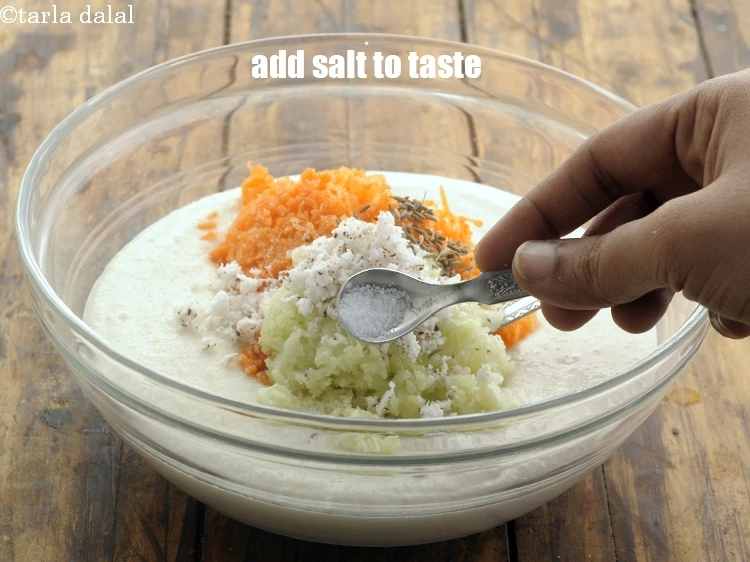
Add salt to taste.
-
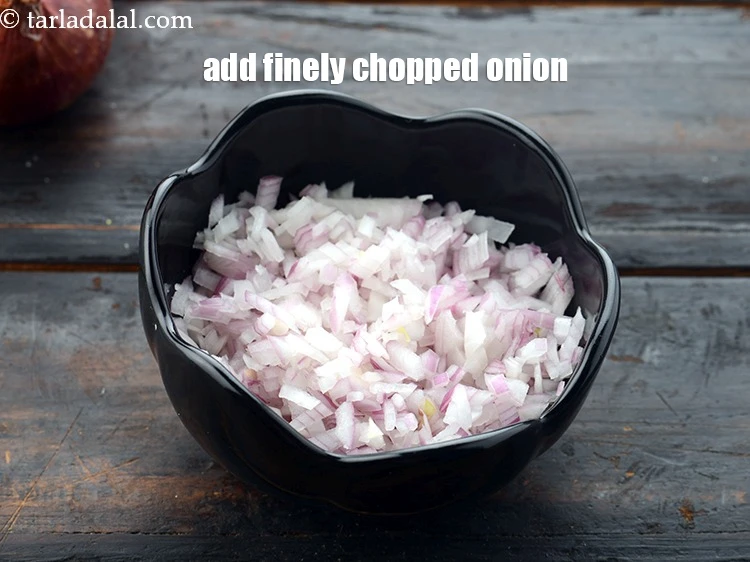
Add 1/2 cup finely chopped onion.
-
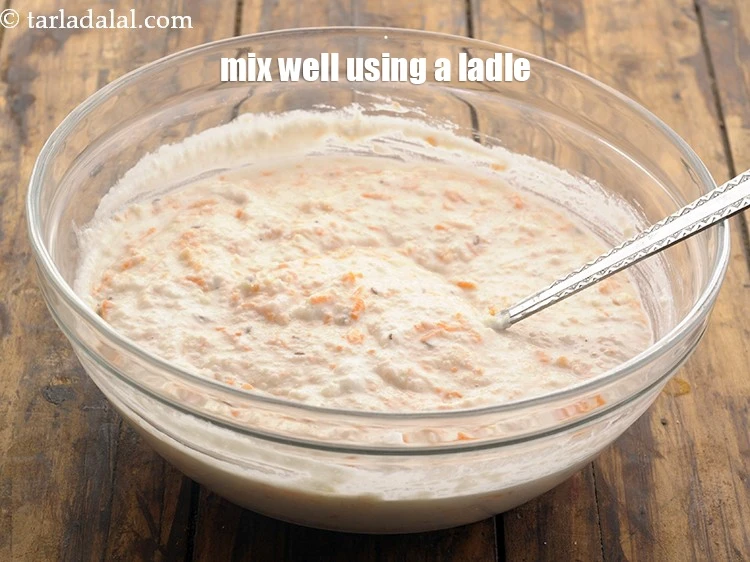
Mix well using a ladle.
-
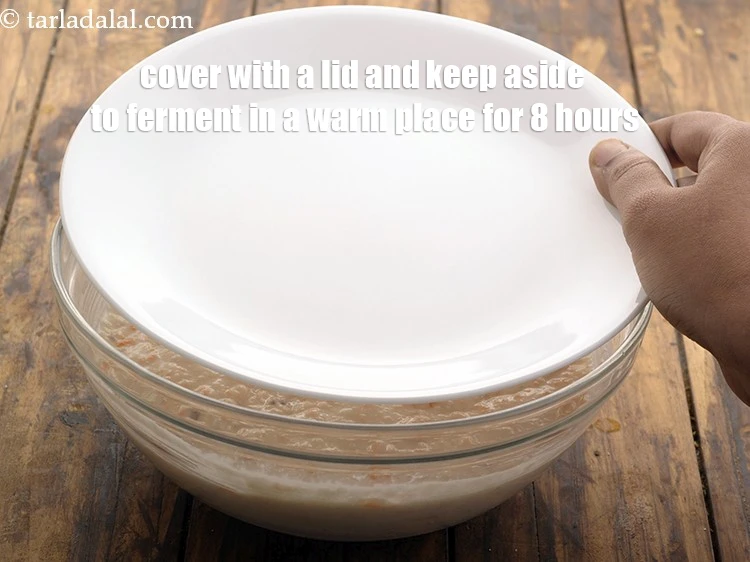
Cover with a lid and keep aside to ferment in a warm place for 8 hours.
-
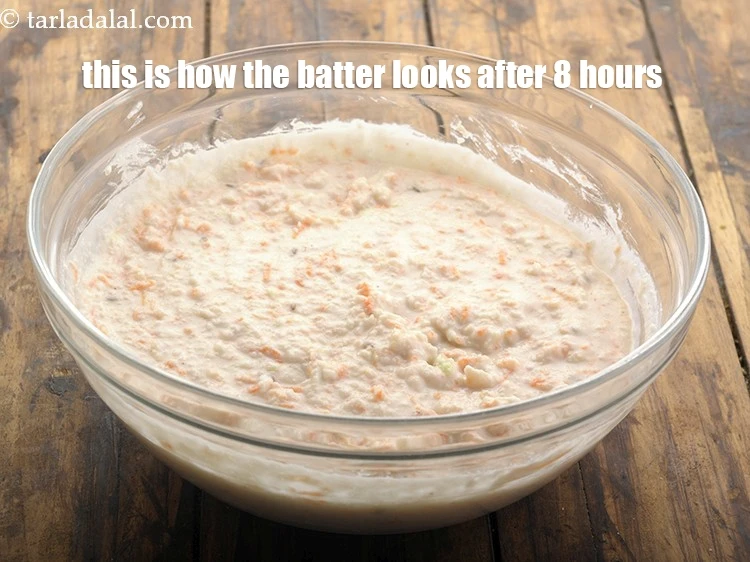
This is how the batter looks after 8 hours.
-
-
-
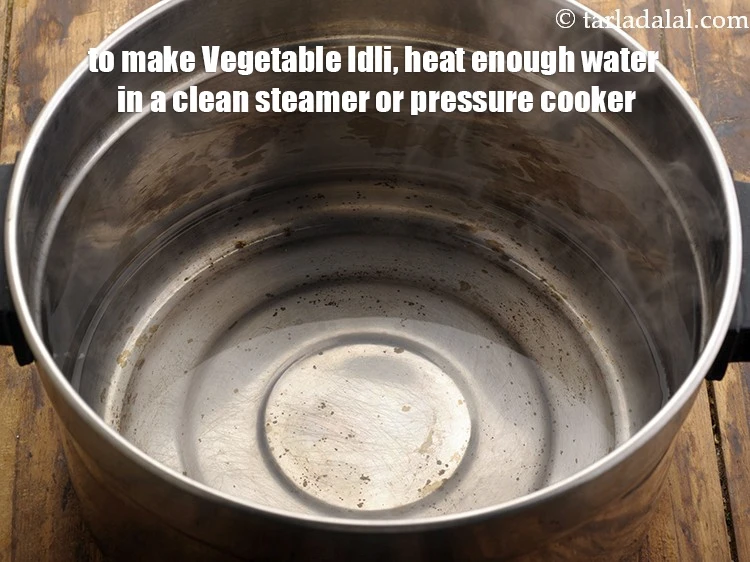
To make Vegetable Idli, heat enough water in a clean steamer or pressure cooker.
-
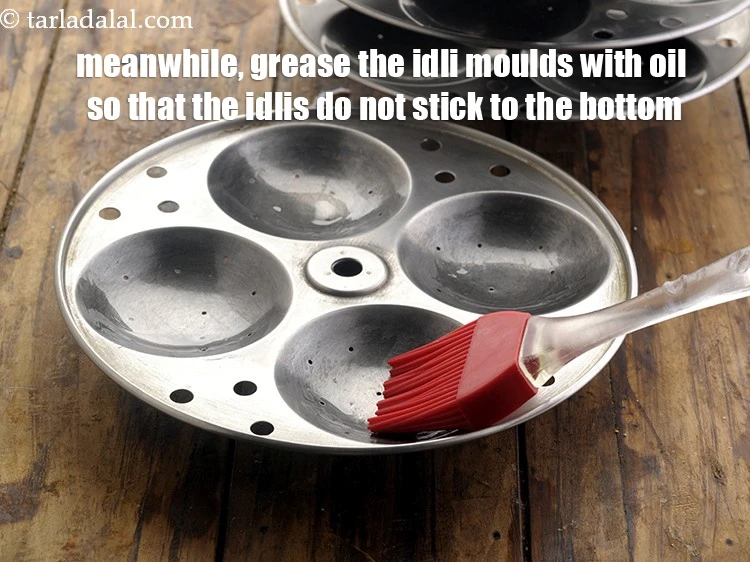
Meanwhile, grease the idli moulds with oil so that the idlis do not stick to the bottom.
-
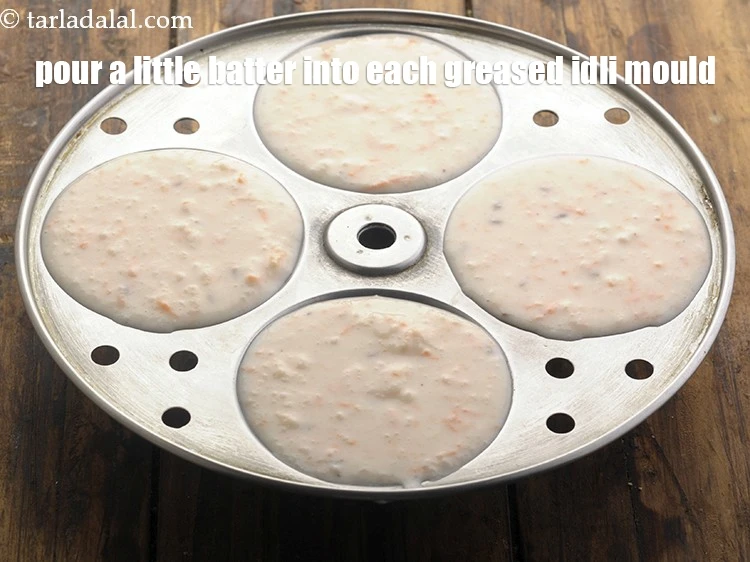
Pour a little batter into each greased idli mould.
-
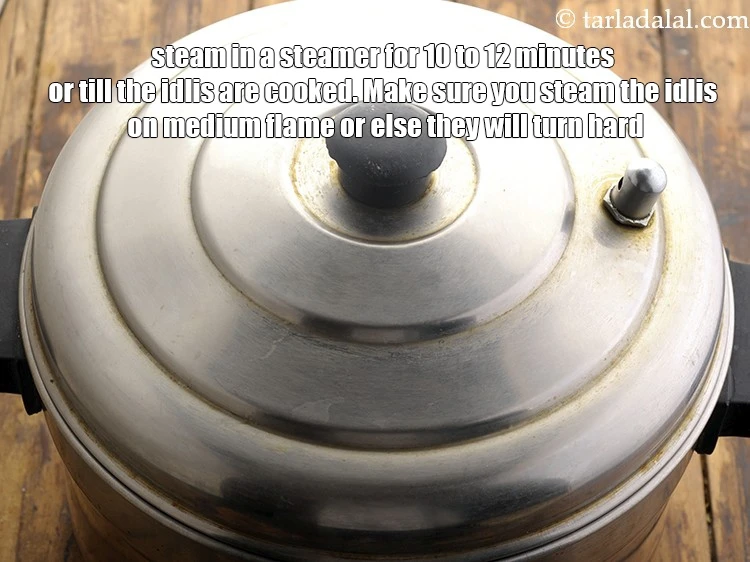
Steam in a steamer for 10 to 12 minutes or till the idlis are cooked. Make sure you steam the idlis on medium flame or else they will turn hard.
-
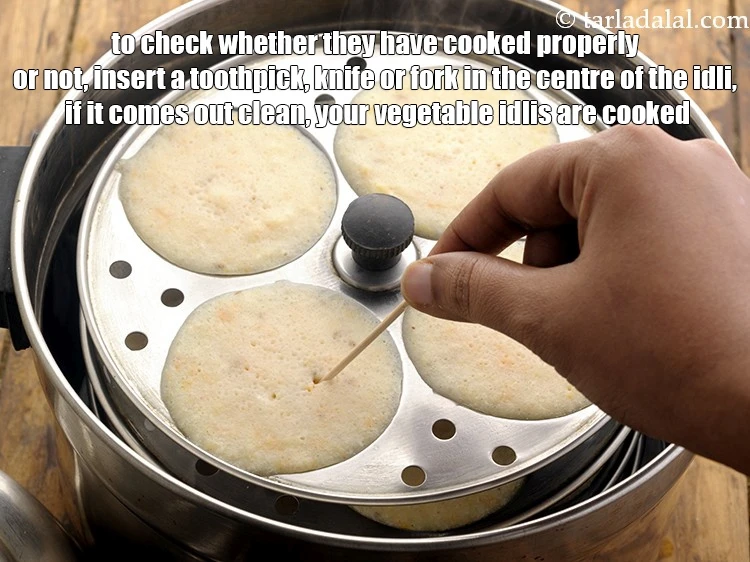
To check whether they have cooked properly or not, insert a toothpick, knife or fork in the centre of the idli, if it comes out clean, your vegetable idlis are cooked.
-
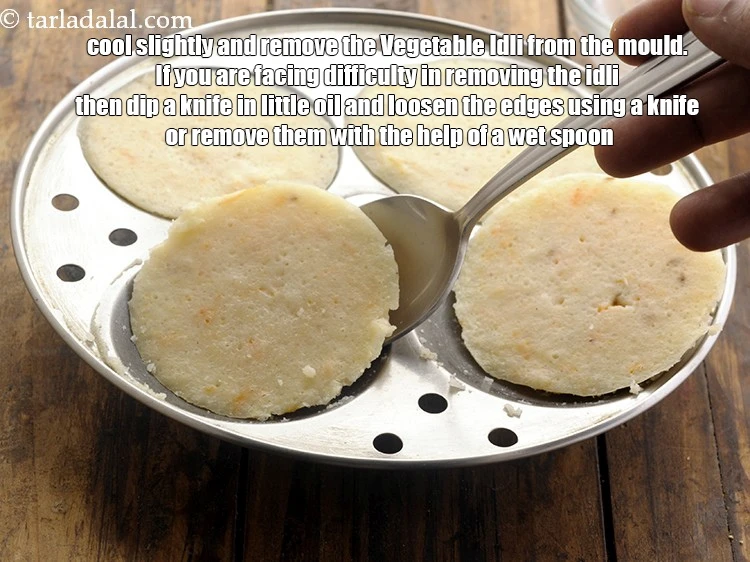
Cool slightly and remove the Vegetable Idli from the mould. If you are facing difficulty in removing the idli then dip a knife in little oil and loosen the edges using a knife or remove them with the help of a wet spoon.
-
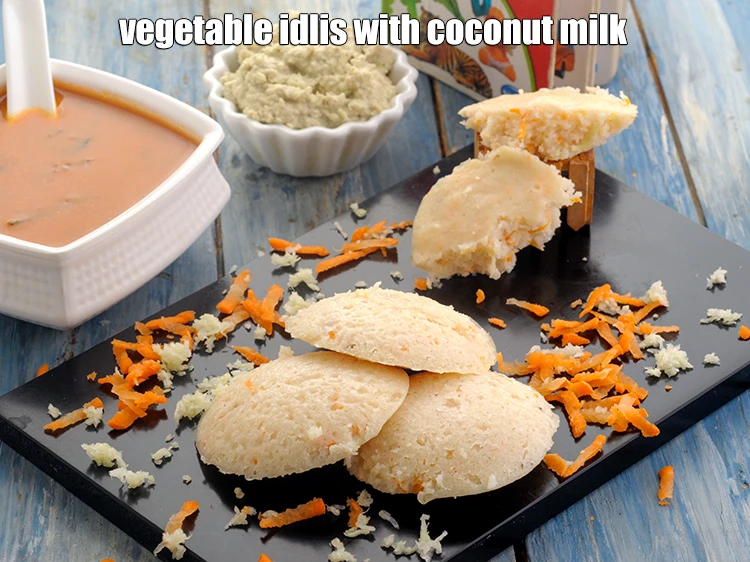
Serve these delicious vegetable idlis with your favourite coconut chutney and sambhar.
-
Vegetable Idlis — Frequently Asked Questions
1. What are Vegetable Idlis?
Vegetable idlis are soft, steamed rice cakes made with a fermented batter of parboiled rice, urad dal (split black gram), coconut milk and mixed vegetables. The vegetables are added to the batter before fermenting, so they cook along with the idlis when steamed.
2. What vegetables can I add to the idli batter?
You can use a variety of finely chopped or grated veggies like carrots, cabbage, peas, beans or even bell peppers. The idea is to add vegetables that cook easily when steamed with the idli batter.
3. Do I have to ferment the batter?
Yes the batter must be fermented before steaming. Fermentation helps the idlis rise and gives them a soft, fluffy texture. For vegetable idlis, the batter (with veggies mixed in) is typically left in a warm place for several hours until it rises.
4. Why use coconut milk in the batter?
Coconut milk is added to the batter for extra creaminess and a smoother texture. It enhances the flavor and can help the batter blend more uniformly, leading to softer idlis.
5. How long should I steam the idlis?
Steam them for about 10–12 minutes on medium flame (or until a toothpick inserted in the center comes out clean). Over-steaming can make the idlis dry and dense.
6. Why are my idlis not soft and fluffy?
Common reasons include:
• Under-fermented batter ensure it’s allowed to rise fully.
• Too much water or too little fermentation batter should be thick yet pourable and have small bubbles.
• Over-steaming steam only until cooked through.
Using fresh ingredients and proper fermentation is key to soft idlis.
7. Can I use store-bought idli batter for this recipe?
Yes if you’re short on time, you can use ready-made idli batter and simply mix in the vegetables before steaming. Just make sure the batter has enough fermenting activity for good texture.
8. What do I serve with Vegetable Idlis?
Vegetable idlis go well with sambar, coconut chutney, tomato chutney, or even ghee drizzled on top for extra richness.
9. Can I make this recipe gluten-free?
Yes! Idli batter is inherently gluten-free when made with rice and urad dal. Just ensure any additional ingredients you use (like spices or chutney) are gluten-free as well.
10. How do I store leftover batter or cooked idlis?
• Batter refrigerate for up to 2-3 days; if it gets too sour, use it for dosas or uttapams.
• Cooked idlis they can be stored in the fridge for up to 2 days and reheated by steaming or microwaving.
1. Grind to a Very Smooth Batter
Make sure the soaked rice and urad dal are ground really smooth with the coconut milk and water no grains should remain. This gives soft, fine-textured idlis instead of coarse or grainy ones.
2. Get the Batter Consistency Right
The batter should be thick but pourable (similar to thick yogurt). If it’s too thin, the idlis won’t rise nicely; if too thick, they will be dense.
3. Allow Proper Fermentation
Let the batter ferment in a warm place until it has visibly risen and is slightly airy. Fermentation makes idlis soft, light, and digestible. In cooler weather, keep it somewhere warm (like an oven with the light on).
4. Don’t Over-Steam
Steam idlis on medium heat for about 10–12 minutes. Over-steaming can make them dry and firm instead of soft.
5. Grease Idli Moulds Well
Lightly brush oil on idli trays before pouring the batter. This prevents sticking and helps you remove the idlis cleanly. If they still stick, use a wet spoon or oiled knife around the edges to loosen them.
6. Vegetables Release Water
If you use watery veggies (like cabbage or grated cucumber), don’t add extra water to the batter they will release moisture as they steam. Excess water can make idlis soggy.
7. Add Veggies Finely
Chop or grate vegetables finely so they cook evenly during steaming and don’t remain crunchy or raw inside the idlis.
8. Use Extra Flavour Elements
You can add spices like cumin seeds or finely chopped green chillies, curry leaves or even a pinch of asafoetida for more flavour.
9. Cool Slightly Before Removing
Let the idlis cool for a minute after steaming before removing. That helps them set and come out cleanly from the mould.
10. Serve Hot for Best Texture
Vegetable idlis are best enjoyed warm with sambar or chutney because they are softer and more aromatic when fresh.
Nutrient values (Abbrv)per plate
| Energy | 60 Calories |
| Protein | 1.3 g |
| Carbohydrates | 10.9 g |
| Fiber | 0.6 g |
| Fat | 1.3 g |
| Cholesterol | 0 mg |
| Sodium | 3 mg |
Click here to view Calories for Vegetable Idlis
The Nutrient info is complete

Foodie#488169
March 19, 2021, 12:08 a.m.
Archana M
July 20, 2020, 9:40 a.m.
Vegetable idlis, mildly flavored with coconut milk, and veggies added to it give a nice variation to regular idli. The fermenting is also of less time. Too good