Calories in Zunka Recipe (Jhunka)
This calorie page has been viewed 22835 times
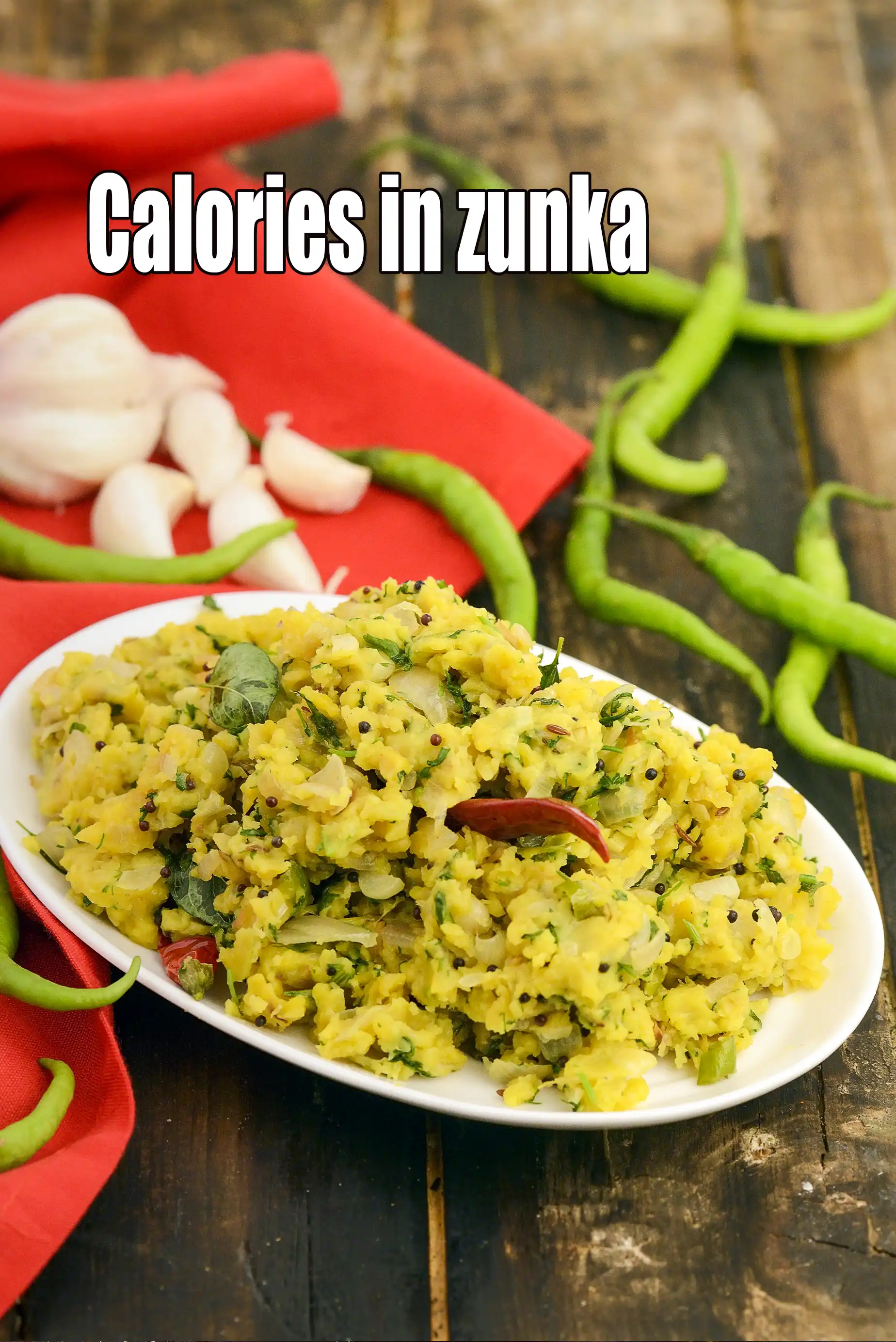
Table of Content

How many calories does one serving of Zunka have?
One serving of Zunka gives 272 calories. Out of which carbohydrates comprise 114 calories, proteins account for 36 calories and remaining calories come from fat which is 122 calories. One serving of Zunka provides about 14 percent of the total daily calorie requirement of a standard adult diet of 2,000 calories.
See zunka recipe | jhunka | Marathi zunka bhakar | Maharashtrian zunka |
zunka is an authentic Maharashtrian delicacy which is slightly spicy but very satisfying in texture, flavour and aroma. Learn how to make Marathi zunka bhakar.
Traditional Maharashtrian and spicy, the Maharashtrian zunka is considered by many as a dry version of the famous pitla. It is like a curry of ginger, green chillies, garlic, onions and coriander perked up with a very flavourful tempering.
To make zunka, heat the oil in a deep non-stick kadhai and add the mustard seeds. When the seeds crackle, add the cumin seeds and asafoetida and sauté on a medium flame for a few seconds. Add the ginger, green chillies, garlic and onions and sauté on a medium flame for 5 minutes. Add the turmeric powder, besan and salt, mix well and cook on a slow flame for 1 to 2 minutes, while stirring occasionally. Add 1½ cups of hot water and mix well. Cover with a lid and cook on a slow flame for 3 to 4 minutes, while stirring occasionally. Add the coriander, mix well and keep aside. For the tempering, heat the oil in a small non-stick pan, add the mustard seeds, asafoetida and garlic and sauté on a medium flame for 1 minute. Add the curry leaves and red chillies and sauté on a medium flame for a few seconds. Add the tempering to the zunka and mix well. Serve immediately with chawal bhakri.
Although a variety of spices are used, the curry leaves in the tempering lends a classic, aromatic touch to this jhunka. Serve it right off the stove with bhakri, thecha and buttermilk, as it will get dry if left for long.
Though some good quantity of oil has been used in the Marathi zunka bhakar, you can benefit from the protein in besan and also gain in some antioxidant allicin from onion and garlic.
Tips for zunka. 1. Ensure the besan has no moisture and is free of lumps, else the zunka might also turn lumpy. 2. After adding hot water at step 5, stir it instantly to get a uniform mixture. 3. The unique cooking method of tempering it twice is crucial to get an authentic taste.
Is Zunka healthy
Zunka, a traditional Maharashtrian dish made with besan (Bengal gram flour), onions, garlic, spices, and a flavorful tempering, is naturally protein-rich, gluten-free, and fiber-dense due to the use of gram flour. Besan provides slow-digesting carbohydrates and quality plant protein, making zunka more nutritious than many wheat-based or rice-based mains. The inclusion of garlic, ginger, turmeric, and coriander adds antioxidants and anti-inflammatory compounds, contributing to overall wellness. However, the recipe uses multiple tablespoons of oil, which increases calorie density. When prepared mindfully, zunka is a moderately healthy everyday dish.
Let's understand the ingredients.
What's good.
Besan : Besan has more good fat than whole wheat flour and also higher protein content. Rich in complex carbohydrates and with a low glycemic index, besan is good for diabetics too. Besan is high in Folate or folic acid, which is important for rapid growth and multiplication of red blood cells and white blood cells (WBC) in the bone marrow. See 10 detailed benefits of besan and why it's good for you.
Onions : Yes, its a great Anti Oxidant. The phytochemical present in onions along with their Vitamin C help boost your immunity. The chromium in onions help regulate your blood pressure. The sulphur in the onion which brings you tears is actually good for your eyes. Raw onions keep your heart healthy and see here for total benefits of onions.
Coriander (kothmir, dhania) : The antioxidants vitamin A, vitamin C and the quercetin present in coriander works towards strengthening our immune system. Coriander is a fairly good source of iron and folate – the 2 nutrient which help in the production and maintenance of RBC in our blood. Good for reducing cholesterol and for diabetics. Read 9 benefits of coriander to understand details.
Garlic : Garlic has been proven to lower cholesterol. The active ingredient allicin present in garlic aids in lowering blood pressure. Garlic is also alleged to help regulate blood glucose levels for diabetics. Garlic is great for the heart and circulatory system. Garlic has an antimicrobial, antiviral and antifungal function and can help in relieving common cold and other viral infections. To boost your immune system have a garlic clove a day. Garlic is a top anti viral food. The thiosulphate compound, Allicin found in garlic acts as a strong antioxidant and protects our body from damage of free radicals. Read here for complete benefits of garlic.
Green Chillies : Antioxidant vitamin C in green chillies protects the body from effects of harmful free radicals and prevents stress. It is probably the high fiber which helps in controlling blood sugar levels. This it is a welcome addition to a diabetic diet. Suffering from anaemia? Add green chillies to your list of iron rich foods too. For complete details see benefits of green chilli.
Is Zunka Good for Diabetes
Zunka can be diabetes-friendly because besan has a low glycemic index, meaning it releases glucose slowly and prevents sugar spikes. The high protein and fiber content also help stabilize blood sugar levels and increase satiety. Ingredients like garlic and turmeric are known for supporting metabolic health. However, for diabetics to benefit fully, the dish should be made with less oil, as excessive fats may impair insulin efficiency. When paired with bhakri made from jowar or bajra, zunka becomes an even more suitable option for diabetics due to the low GI nature of millet breads.
Is Zunka Good for Heart Health
Traditional zunka contains a higher amount of oil, which may not be ideal for heart-health–focused diets. Yet, the dish includes heart-supportive ingredients such as garlic, which contains allicin, known for improving blood lipid profiles. Turmeric contributes anti-inflammatory benefits, while besan offers cholesterol-managing soluble fiber. By reducing the oil used in both the main dish and tempering, zunka becomes a heart-friendly, nutrient-dense recipe suitable for regular consumption.
Is Zunka Good for Weight Loss
When cooked with lesser oil, zunka is excellent for weight loss because besan increases fullness, stabilizes hunger, and reduces calorie intake at subsequent meals. The high protein content supports muscle maintenance—important in any fat-loss plan. Its naturally low glycemic impact helps prevent cravings. Pairing zunka with jowar bhakri, bajra roti, or salads enhances the weight-loss benefit. Just avoid eating it with excessive oil or alongside calorie-dense sides like ghee-laden rotis.
How to Make Zunka Healthier (Point Form)
- Reduce oil from 2 tbsp + 1 tbsp tempering to 1 tbsp + 1 tsp tempering.
- Dry-roast besan before cooking to enhance flavor without extra fat.
- Add more vegetables such as spinach, capsicum, or grated carrot for fiber & nutrients.
- Use minimal salt and rely on natural flavor boosters like garlic, ginger & coriander.
- Swap the tempering’s deep oil base for light sautéing or oil spray.
- Pair with jowar/bajra bhakri instead of rice for lower glycemic load.
- Avoid overcooking besan — preventing nutrient loss and dryness.
- Add a squeeze of lemon before serving for vitamin C and better iron absorption.
Final Thoughts
Zunka is a wholesome, protein-rich, traditional Maharashtrian delicacy that can absolutely fit into healthy eating patterns—including diabetes-friendly diets, heart-health programs, and weight-loss plans—as long as oil quantity is controlled. Its powerful blend of garlic, ginger, turmeric, onions, curry leaves, and besan offers flavor, satisfaction, and nutritional value. With simple modifications, zunka becomes a nutritious, everyday staple that preserves the authentic taste of Maharashtrian cuisine while supporting better health.
Is Zunka safe for healthy individuals
Yes, this is safe for all to eat. This is a filling vegetable. Garlic has been proven to lower cholesterol. The active ingredient allicin present in garlic aids in lowering blood pressure. Garlic is also alleged to help regulate blood glucose levels for diabetics.
What to have Zunka with?
Zunka is traditionally eaten with chawal bhakri which is not healthy due to high degree of rice. Pair it with a whole wheat roti to make a healthy combination.

Roti ( How To Make Soft Roti Or Phulka Or Chapati)
Zunka is good for
1. Healthy Lifestyle
2. Healthy weight gain
3. Diabetics ( cut oil)
4. Cardiac patients (cut oil)
5. Kids
6. Pregnancy
Zunka is high in
1. Folic Acid : Folic acid is an essential vitamin required throughout pregnancy.
2. Vitamin C : Vitamin C is a great defence against coughs and colds.
3. Phosphorous : Phosphorous works closely with calcium to build bones.
4. Fiber : Dietary fiber reduce the risk of heart disease, prevent the spike in blood sugar levels and hence super for diabetics. Consume more fruits, vegetables, moong, oats, matki, whole grains.
5. Vitamin B1 : Vitamin B1 protects nerves, helps in carbohydrate metabolism, prevents heart diseases and helps produce red blood cells.
Note : a recipe is deemed high in a Vitamin or mineral if it meets 20% and above the recommended daily allowance based on a 2,000 calorie diet.
How to burn 272 calories that come from one serving of Zunka?
Walking (6 kmph) = 1 hr 22 mins
Running (11 kmph) = 27 mins
Cycling (30 kmph) = 36 mins
Swimming (2 kmph) = 47 mins
Note: These values are approximate and calorie burning differs in each individual.
| Value serving | % Daily Values | |
| Energy | 272 kcal | 14% |
| Protein | 9.0 g | 15% |
| Carbohydrates | 28.4 g | 10% |
| Fiber | 6.60 g | 22% |
| Fat | 13.60 g | 23% |
| Cholesterol | 0.0 mg | 0% |
| VITAMINS | ||
| Vitamin A | 361.9 mcg | 36% |
| Vitamin B1 (Thiamine) | 0.2 mg | 16% |
| Vitamin B2 (Riboflavin) | 0.1 mg | 4% |
| Vitamin B3 (Niacin) | 1.1 mg | 8% |
| Vitamin C | 8.1 mg | 10% |
| Vitamin E | 0.1 mg | 1% |
| Folic Acid (Vitamin B9) | 64.3 mcg | 21% |
| MINERALS | ||
| Calcium | 44.0 mg | 4% |
| Iron | 2.4 mg | 13% |
| Magnesium | 59.4 mg | 13% |
| Phosphorus | 154.3 mg | 15% |
| Sodium | 33.1 mg | 2% |
| Potassium | 344.8 mg | 10% |
| Zinc | 0.8 mg | 5% |
Percent Daily Values are based on a 2000 calorie diet. Your daily values may be higher or lower depending on your calorie needs.
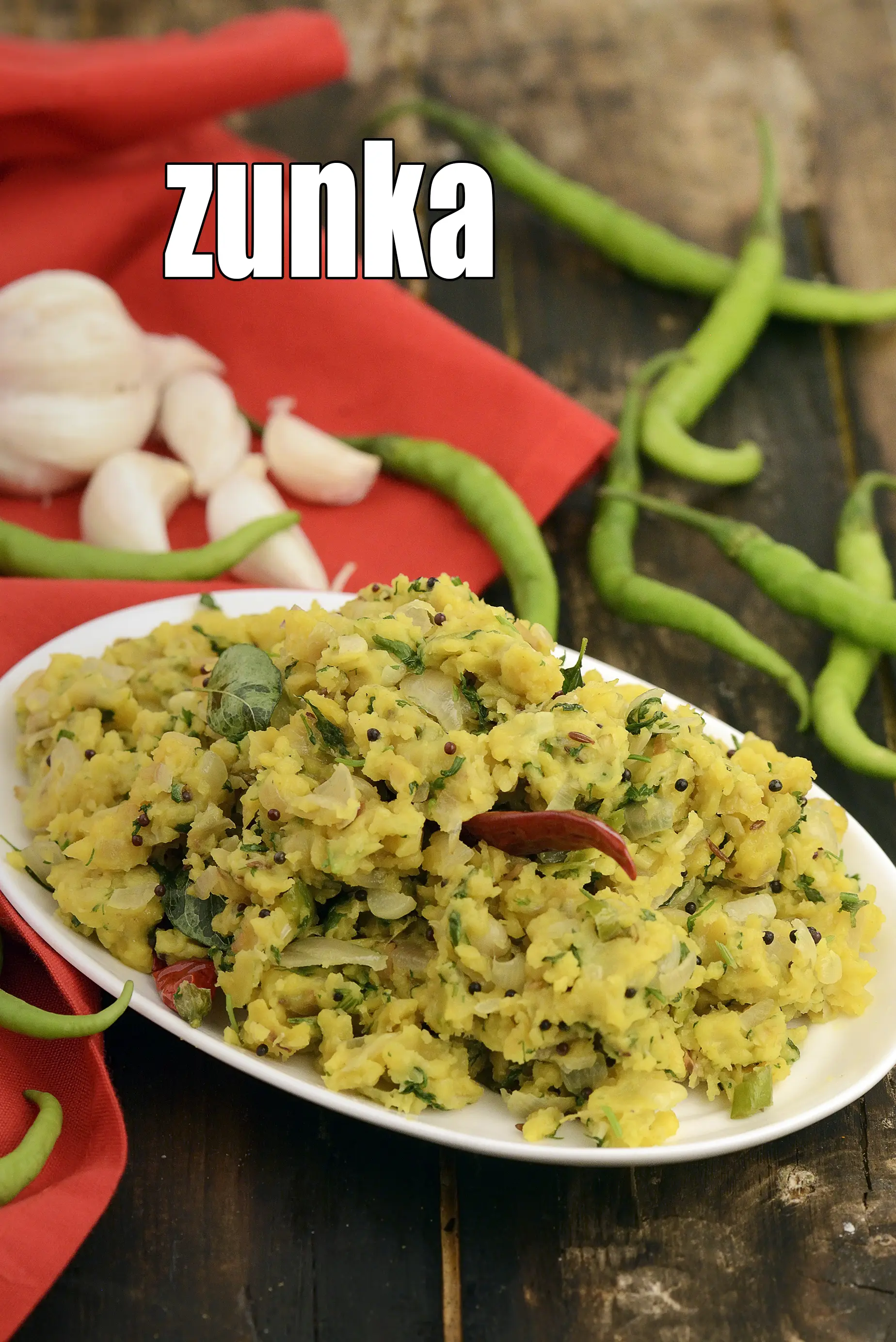
Click here to view Zunka
Calories in other related recipes