Low Salt High Fiber Multigrain Bread Recipe | Tarla Dalal
 Tarla Dalal
• Updated : Jan 21, 2026
Tarla Dalal
• Updated : Jan 21, 2026
The Low Salt Multigrain Bread is a wholesome alternative to regular bread, crafted using whole wheat flour, ragi, jowar, bajra, and nutrient-dense seeds such as flaxseeds, sesame seeds, and melon seeds. This combination creates a High Fiber Multigrain Bread that is naturally rich in minerals, plant protein, antioxidants, and complex carbohydrates. The recipe uses only ¼ tsp salt, making it a suitable choice for individuals who need to watch their sodium intake. The inclusion of quick-cooking oats further boosts the beta-glucan fiber content, known for supporting heart and digestive health.


Table of Content

This Heart-Healthy Multigrain Bread uses a mix of millet flours—ragi, jowar, and bajra—that provide a steady release of energy, making it ideal for daily consumption. By avoiding refined flour and keeping the salt content minimal, this bread helps support long-term cardiovascular well-being. The mixture of flaxseeds, rich in omega-3 fatty acids, adds anti-inflammatory benefits, which may help lower bad cholesterol and protect arterial health. This makes the bread notably better than commercial loaves that often contain preservatives and excess sodium.
For individuals managing high blood pressure, this bread serves as a Blood Pressure-Friendly Multigrain Bread. The low sodium content ensures that it does not contribute to water retention or elevated blood pressure levels. Moreover, magnesium-rich flours like bajra and ragi support natural blood pressure regulation. Since bread is often a staple snack, switching to a low-salt option like this becomes an effective dietary modification for long-term hypertension management.
This recipe’s high dietary fiber makes it a healthy option for diabetes too. The blend of whole wheat, millets, and seeds slows down digestion and prevents sudden spikes in blood sugar, helping maintain improved glycemic control. Millets like jowar and bajra have a naturally low glycemic index, which makes the bread suitable for diabetics when eaten in controlled portions. Pairing it with protein-rich spreads can further help stabilize post-meal blood glucose.
The bread also benefits overweight individuals due to its high fiber and whole-grain profile. Fiber increases satiety, helping reduce overeating and unnecessary snacking. The absence of refined flour and the inclusion of nutrient-rich grains make this loaf far more filling and metabolically supportive than store-bought white or brown breads. The seeds provide healthy fats that help curb cravings and improve fullness after meals.
Overall, this Low Sodium High Fiber Multigrain Bread is a nutritious and balanced option for anyone looking for healthier alternatives to regular bread. It is good for blood pressure, beneficial for heart health, supportive for diabetes management, and ideal for those trying to lose weight. With wholesome flours, minimal salt, and power-packed seeds, it provides sustained energy and essential nutrients. Bread lovers with lifestyle conditions need not avoid bread entirely—this thoughtful recipe proves there are delicious, health-conscious alternatives available.
Tags
Soaking Time
0
Preparation Time
20 Mins
Cooking Time
0 Mins
Baking Time
35 Mins
Baking Temperature
210°C (420°F)
Sprouting Time
0
Total Time
55 Mins
Makes
1 bread loaf
Ingredients
for Low Salt Multigrain Bread
- 2 cups whole wheat flour (gehun ka atta)
- 1/4 cup ragi (nachni , red millet) flour
- 1/4 cup jowar (white millet) flour
- 1/4 cup bajra (black millet) flour
- 1 tbsp powdered flaxseeds (alsi)
- 1 tsp white sesame seeds (til)
- 1 tsp melon seeds (charmagaz)
- 1 tsp quick cooking oats
- 1/4 tsp salt
- 1 tbsp instant dry yeast
- 1 tbsp sugar
To Be Mixed Into A Topping
- 1/2 tsp whole ragi (nachni / red millet)
- 1/2 tsp whole bajra (black millet)
- 1 tsp quick cooking quick cooking oats
- 1/2 tsp flax seeds
Method
for Low Salt Multigrain Bread
- Combine the yeast, sugar and ¼ cup of warm water in a bowl and mix well. Cover it with a lid and keep aside for 10 minutes.
- Combine all the remaining ingredients along with the yeast-sugar mixture in a deep bowl, mix well and knead into a loose sticky dough using approx. 1½ cups of warm water.
- Place the dough in a greased bread loaf tin of 200 mm. (8”). Wet your fingers and press the dough lightly to spread it evenly.
- Sprinkle the prepared topping evenly over it, cover it with a dry muslin cloth and keep aside in a warm place for 30 minutes.
- Bake it in a pre-heated oven at 210°c (420°f) for 20 minutes.
- Lower the temperature to 160°c (320°f) and bake it for 10 minutes. Keep aside to cool slightly.
- Once the bread loaf has cooled slightly, de-mould it and cut it into 13 mm. (½“) bread slices.
Low Salt High Fiber Multigrain Bread recipe with step by step photos
-
-
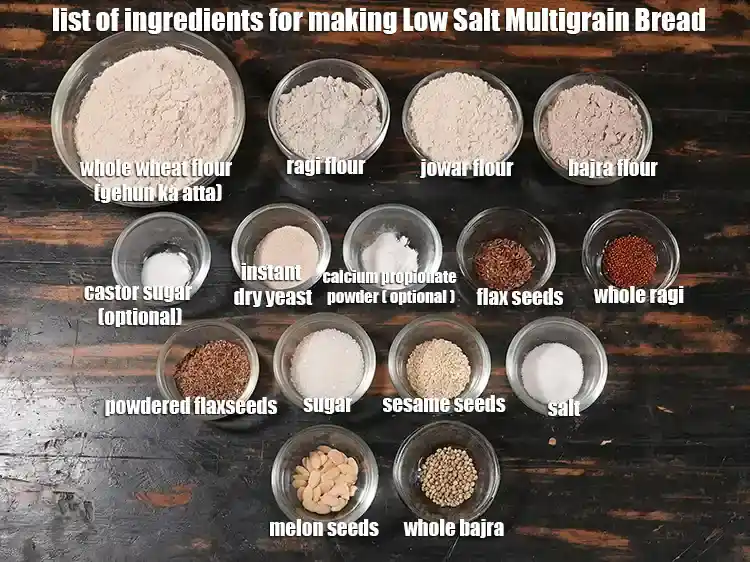
See the below image of list of ingredients for making Low Salt Multigrain Bread.
-
-
-
For the Low Salt Multigrain Bread, take 1/2 tsp whole ragi (nachni / red millet) in a bowl.

-
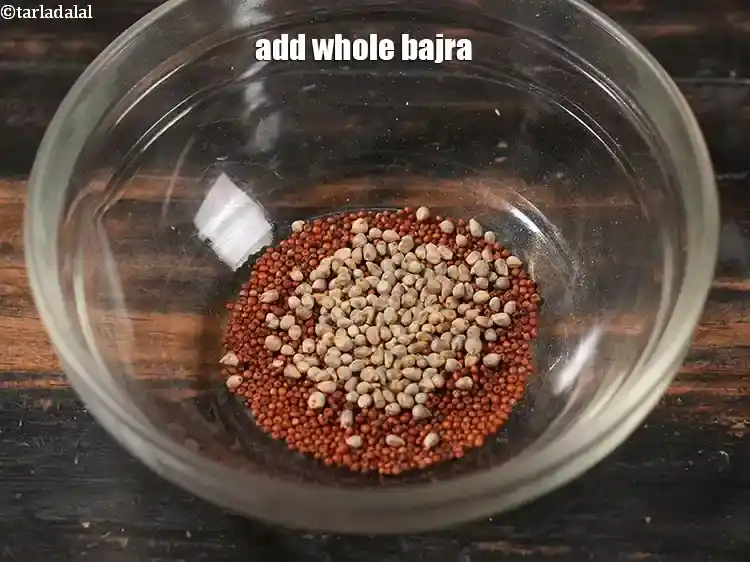
Add 1/2 tsp whole whole bajra (black millet).
-
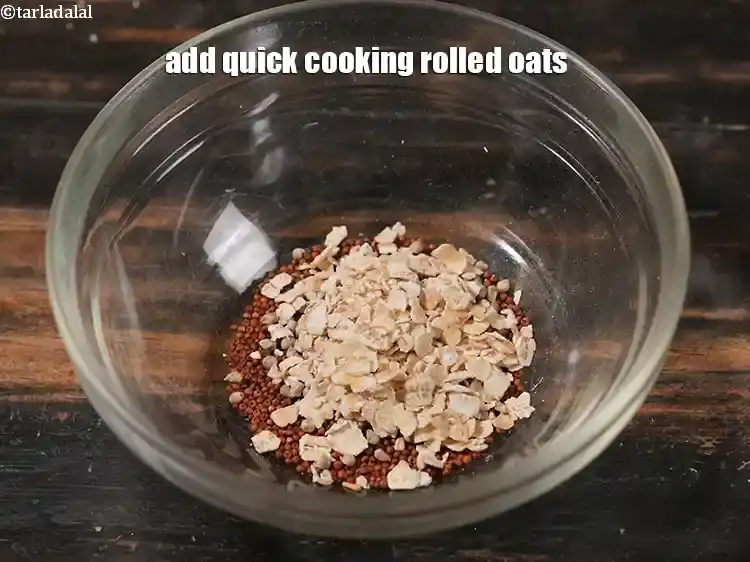
Add 1 tsp quick cooking oats.
-
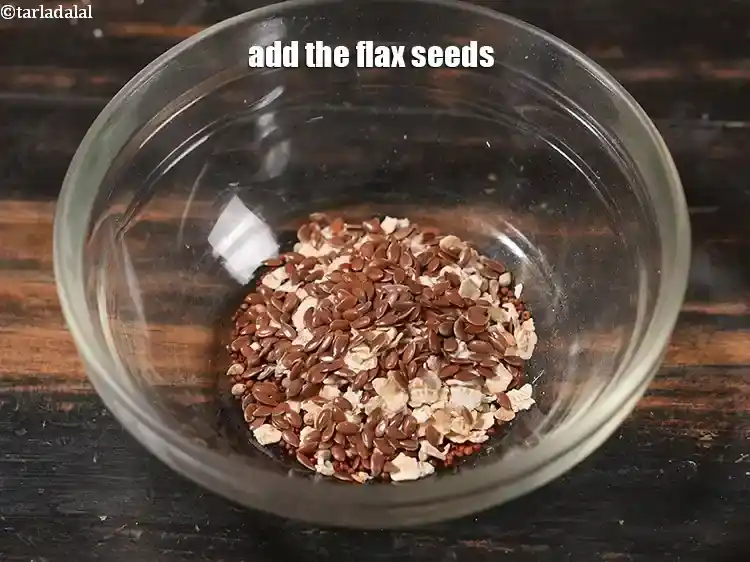
Add 1/2 tsp flax seeds.
-
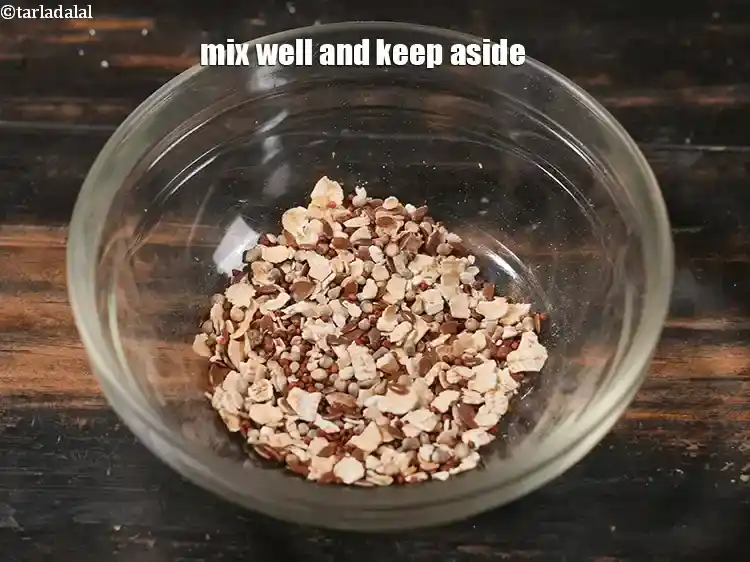
Mix well and keep aside.
-
-
-
For the yeast mixture of Low Salt Multigrain Bread, take the 1 tbsp instant dry yeast in a bowl. We are using instant dry yeast for this atta bread recipe. The multigrain bread recipe calls for 1 tbsp of instant dry yeast. You can also use 12gms fresh yeast instead. The procedure to make the yeast mixture remains the same as per the recipe.

-
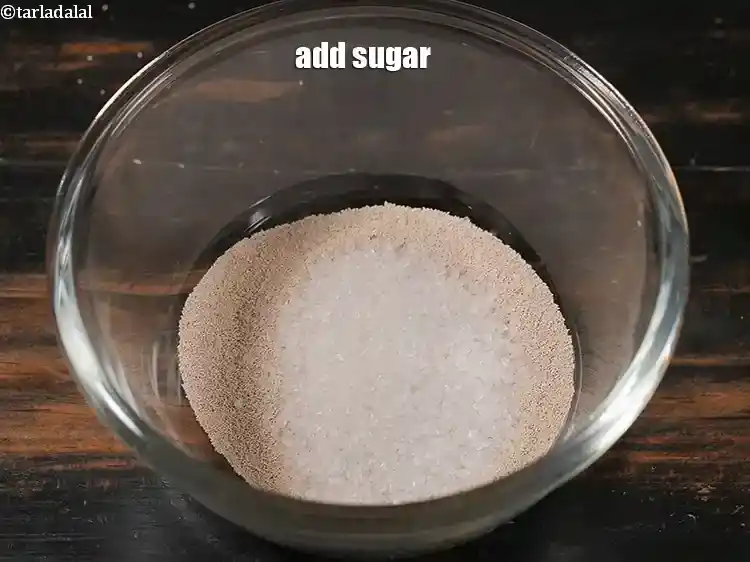
Add the 1 tbsp sugar. Sugar has multiple roles in bread making. One being it acts as a food for yeast and helps in creating carbon dioxide and alcohol. Sugar also enhances the flavour of the bread, retaining the moisture content and give a crumbly texture & golden crust to the multigrain bread.
-
Pour ¼ cup of warm water in the bowl. Dip your finger in water to check if it’s lukewarm or not before adding. Water that's too hot can damage or kill the yeast.

-
Mix well using a spoon.

-
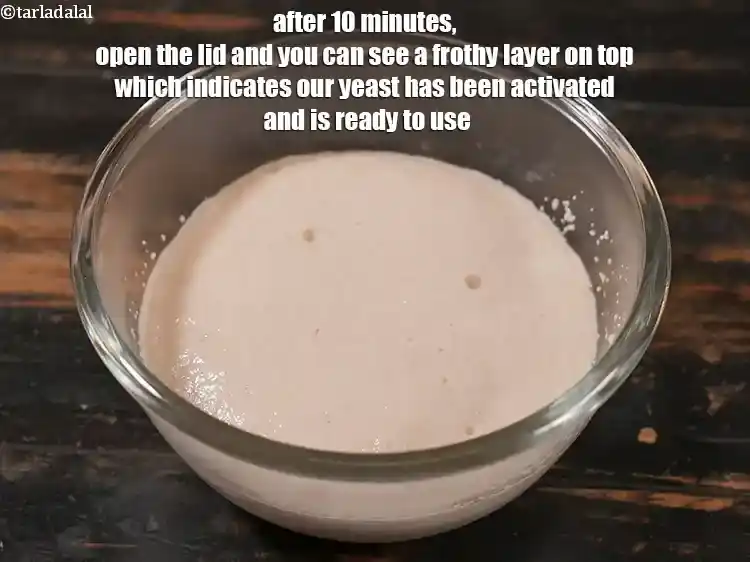
Cover it with a lid and keep aside for 10 minutes for the yeast to rise. The rising time will vary as per the climatic conditions.

-
After 10 minutes, open the lid and you can see a frothy layer on top which indicates our yeast has been activated and is ready to use.
-
-
-
To making Low Salt Multigrain Bread, In a deep bowl take 2 cups whole wheat flour (gehun ka atta). This being a healthy recipe we will be using gehun ka atta unlike refined flour which is used in most bread recipes. Take a big bowl as the dough will rise on resting and you would want to prevent it from overflowing.

-
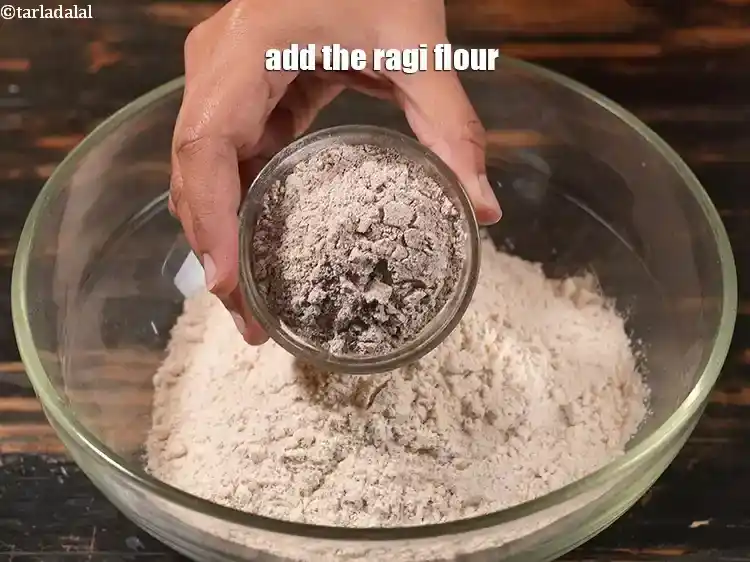
Add 1/4 cup ragi (nachni , red millet) flour.
-
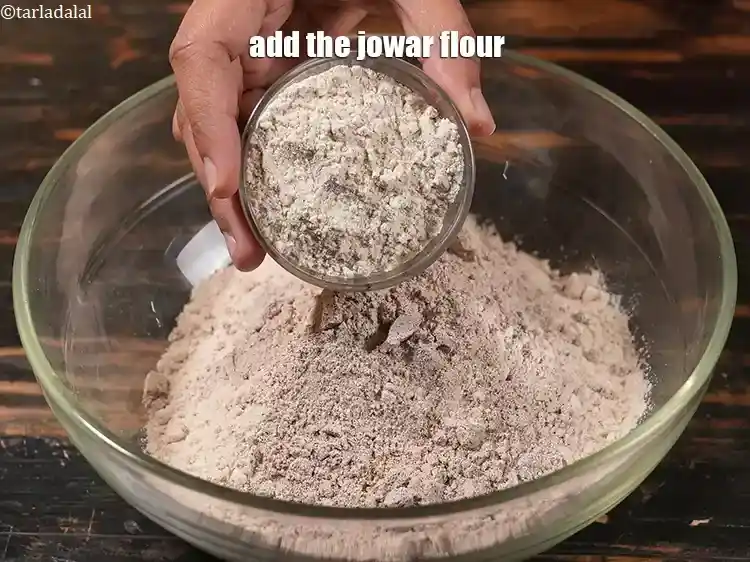
Add 1/4 cup jowar (white millet) flour. Also, you can make use of buckwheat flour, quinoa flour, barley flour, amaranth flour if you like and have them handy.
-
Add 1/4 cup bajra (black millet) flour.

-
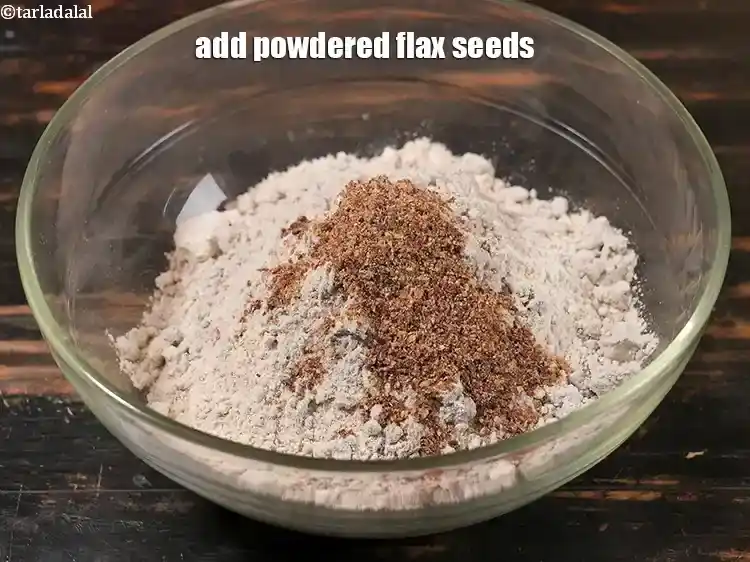
Add 1 tbsp powdered flaxseeds (alsi).
-
Add 1 tsp white sesame seeds (til).

-
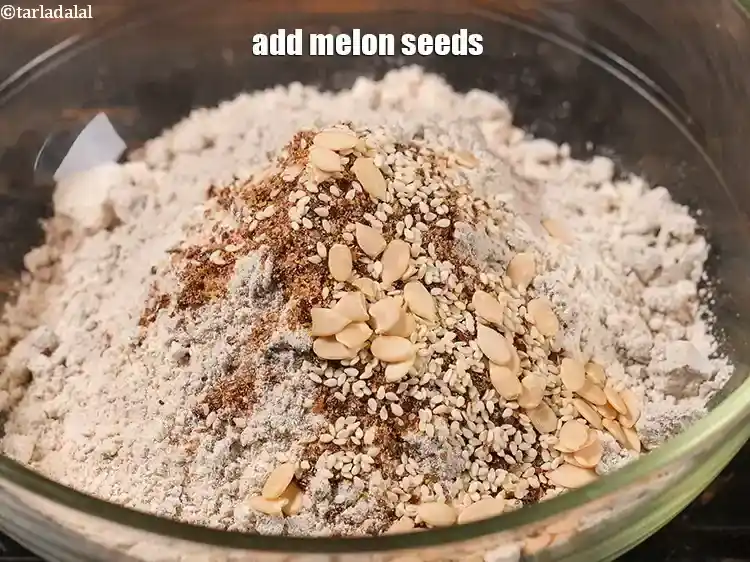
Add 1 tsp melon seeds (charmagaz). To provide a nice bite to the multi seeds bread.
-
Add 1 tsp quick cooking oats.

-
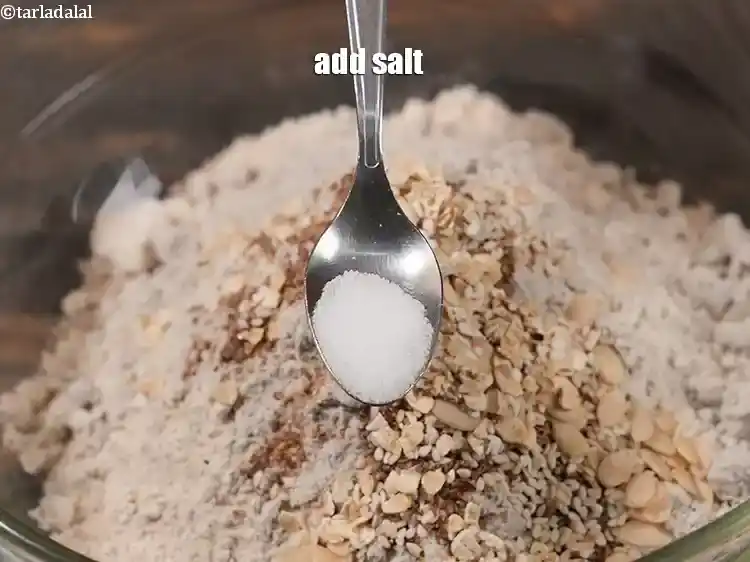
Add 1/4 tsp salt.
-
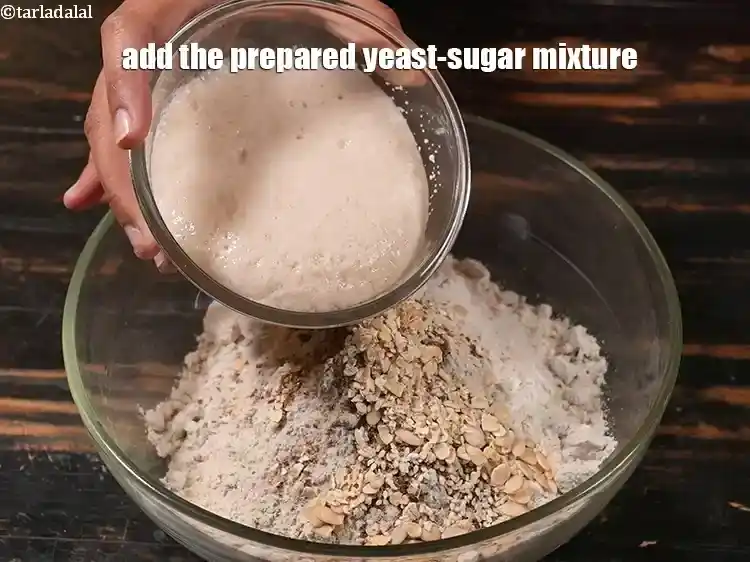
Add the prepared yeast-sugar mixture.
-
Mix well to incorporate all the ingredients and disperse the seeds.

-
Gradually add around 1½ cups of warm water.

-
Knead into a loose sticky dough. If you have a stand mixer with a dough hook attachment, then make use of it to prepare the multigrain bread dough. Do not knead too tight or else you will get a hard, dense bread loaf.

-
-
-
Grease a bread loaf tin of 200 mm. (8”) with the help of oil.

-
Place the dough in greased loaf tin. If you do not have a bread loaf tin then you can prepare a free form multigrain bread. For that, line a baking tray with parchment paper. Shape the dough into a round or oval shape. Scatter ½ of the topping mixture onto the baking tray (about the size of the loaf) and place loaf on top.

-
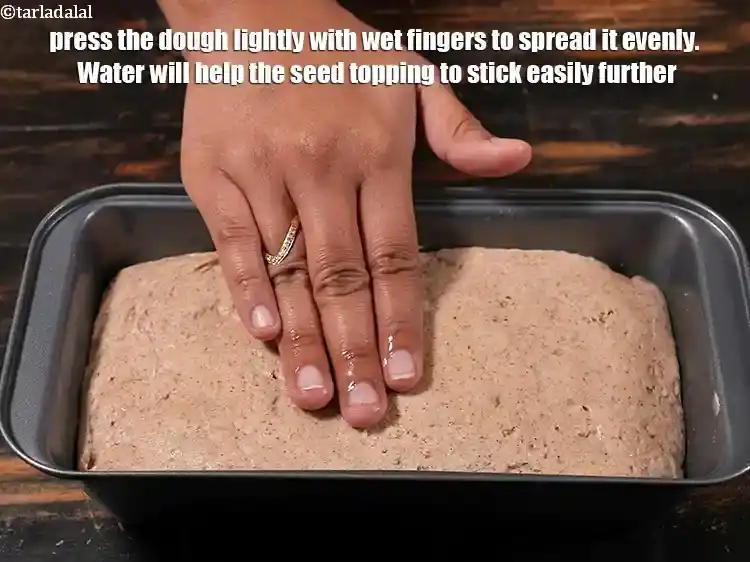
Wet your fingers with water.

-
Press the dough lightly with wet fingers to spread it evenly. Water will help the seed topping to stick easily further.
-
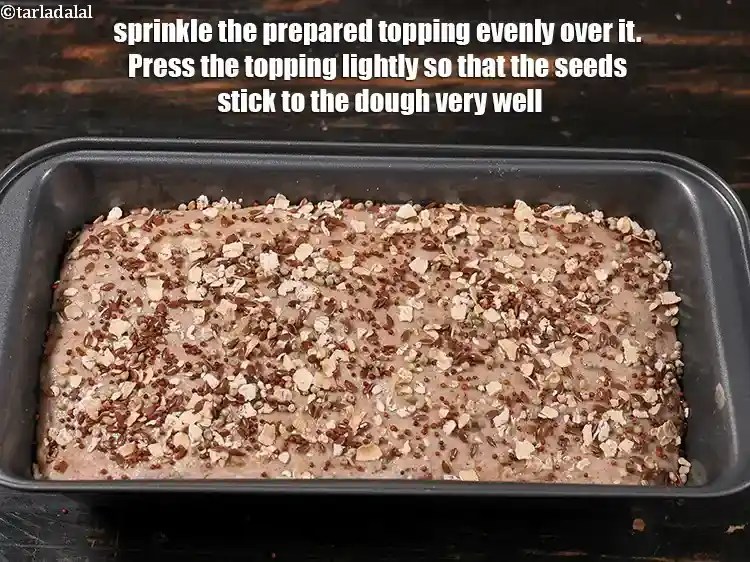
Sprinkle the prepared topping evenly over it. Press the topping lightly so that the seeds stick to the dough very well.
-
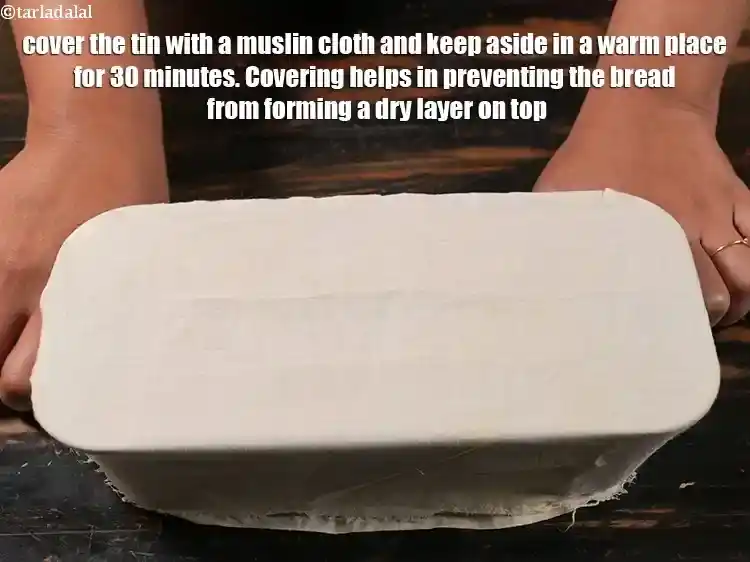
Cover the tin with a muslin cloth and keep aside in a warm place for 30 minutes. Covering helps in preventing the bread from forming a dry layer on top.
-
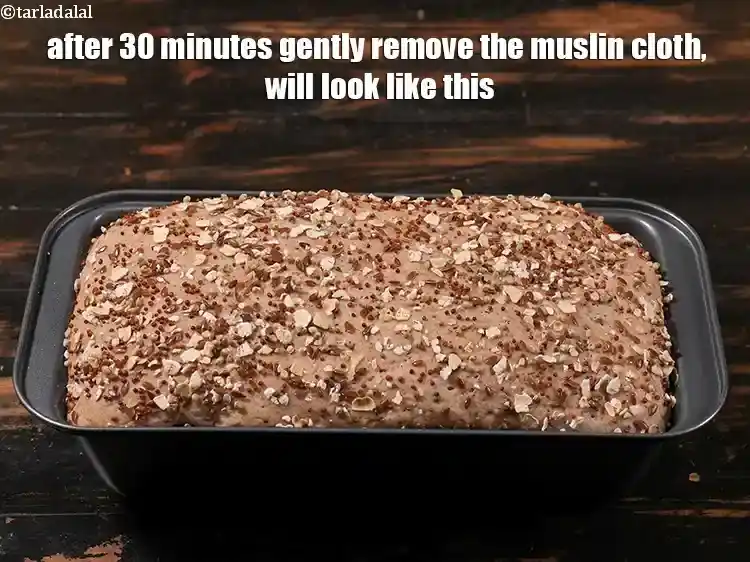
For baking the Indian multigrain bread, after 30 minutes gently remove the muslin cloth, eggless multigrain bread will look like this.
-
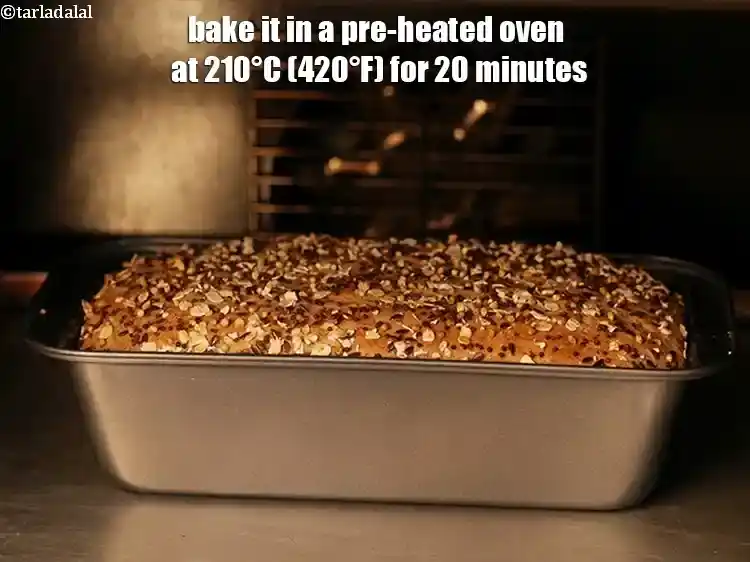
Bake it in a pre-heated oven at 210°C (420°F) for 20 minutes.
-
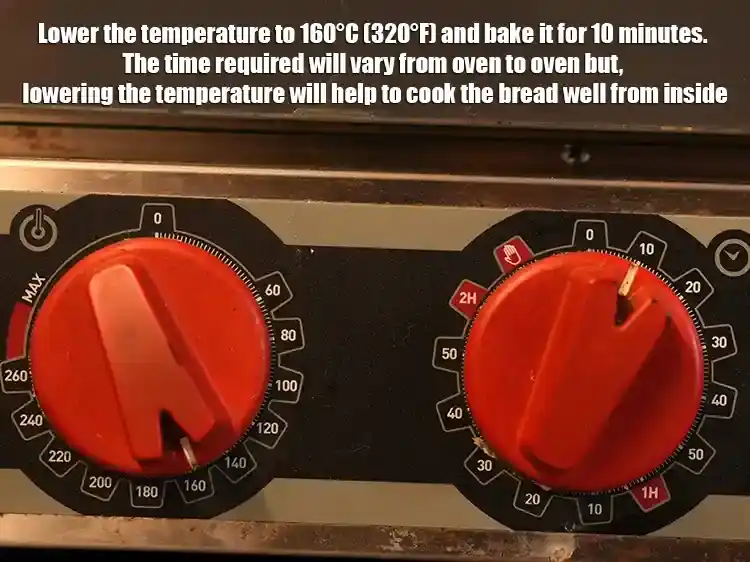
Lower the temperature to 160°C (320°F) and bake it for 10 minutes. The time required will vary from oven to oven but, lowering the temperature will help to cook the bread well from inside.
-
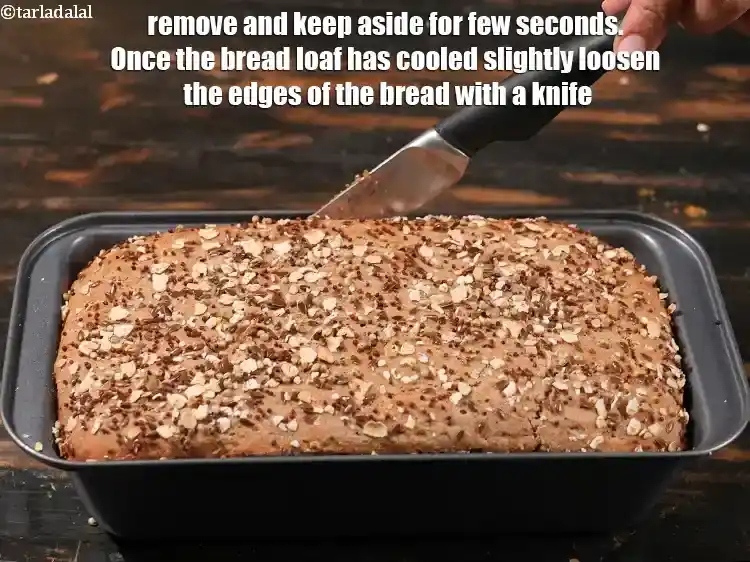
Remove and keep aside for few seconds. Once the bread loaf has cooled slightly loosen the edges of the bread with a knife.
-
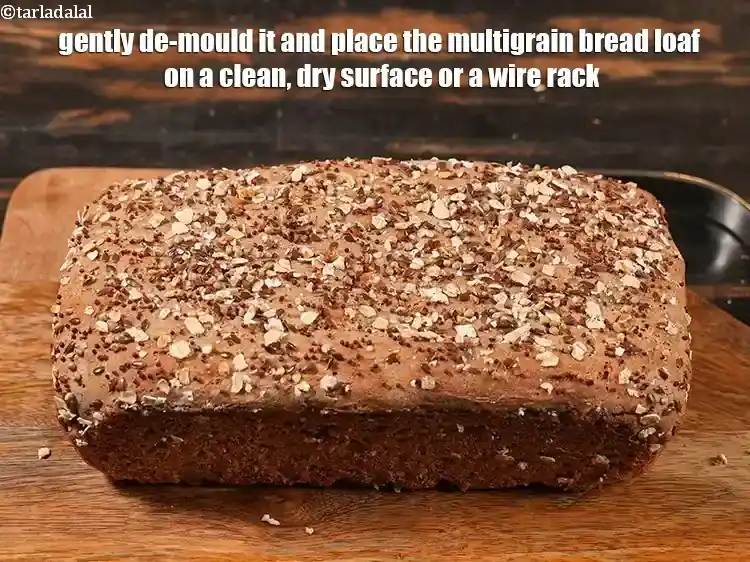
Gently de-mould it and place the multigrain bread loaf on a clean, dry surface or a wire rack. Brush the multigrain bread with oil.
-
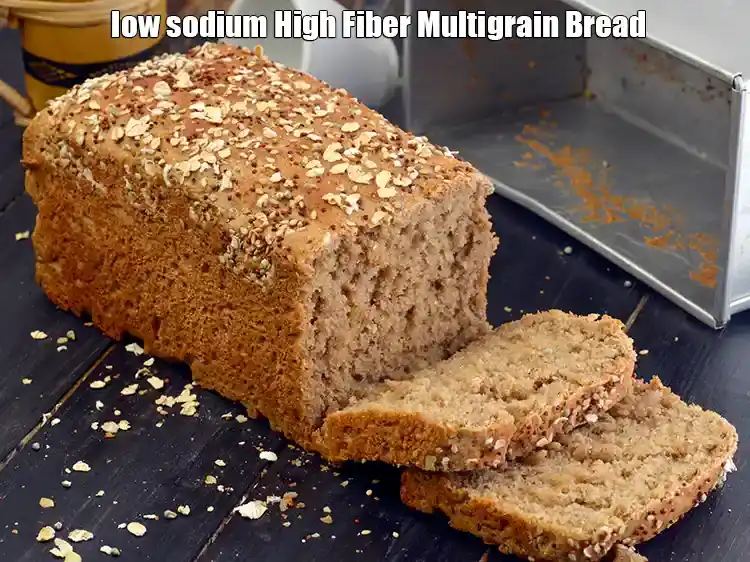
Cool the bread completely and Cut it into 13 mm. (½“) bread slices and serve the Indian multigrain bread immediately or use as required.
-
- What is Low Salt High Fiber Multigrain Bread?
It’s a wholesome homemade bread made with whole wheat flour, millets (ragi, jowar, bajra), seeds (flax, sesame, melon), oats, and minimal salt, aimed to be rich in dietary fiber and lower in sodium than regular bread. - Is this bread healthy?
Yes due to whole grains, high fiber, complex carbs, and nutrient-dense seeds, it supports heart health, digestion, and stable blood sugar levels. - How many calories are there per slice?
One slice (approx. 50 g) yields about 83 calories. - Does the bread contain a lot of sodium?
This version uses only ¼ tsp salt and has about 839 mg sodium for the whole loaf, making it suitable for those watching salt intake. - Can diabetics eat this bread?
Yes the millets and whole grains have a lower glycemic response, and high fiber helps slow sugar absorption. - What flours are used in this multigrain bread?
Whole wheat flour, ragi flour, jowar flour, and bajra flour form the base flours in this recipe. - Do I need yeast to make this bread?
Yes instant dry yeast is used to help the dough rise. - Can I substitute any flours if I don’t have one?
You can replace missing millets with similar flours listed in the recipe (e.g., swapping one millet flour with another). - How long do I bake the bread?
Bake initially at 210 °C (420 °F) for about 20 min, then lower to 160 °C (320 °F) and bake another 10 min. - How much water is used?
Water isn’t listed with the ingredients but about 1¾ cups is used during mixing/kneading according to user comments on the recipe page.
If you liked this Low Salt Multigrain Bread Recipe then also check out other recipes like:
1. Ensure Proper Yeast Activation
Always use warm (not hot) water to activate the yeast. If the water is too hot it kills the yeast; if too cool, it won’t foam up properly.
2. Adjust Hydration for Better Texture
Multigrain flours absorb more water than plain wheat flour. If the dough feels too stiff, add warm water little by little during kneading for a softer, lighter loaf. (Higher hydration helps reduce density.)
3. Knead Well, But Don’t Overdo It
Kneading develops gluten especially important with whole grains but too much can make the bread tough. Aim for a smooth elastic dough with gentle stretch and folds if needed.
4. Pre‑Soak Seeds (Optional but Helpful)
Seeds like flax can absorb lots of water. Soaking them for 10–15 minutes before adding can help keep the bread moist and improve the crumb structure.
5. Give Enough Time for Rising
Let the dough rise until almost doubled in size (about 30–45 minutes) before baking. Patience here gives better volume, especially since whole grains usually rise slower.
6. Use a Pre‑heated Baking Tray or Pan
Place your loaf tin on a pre‑heated tray in the oven so the initial heat jump helps with oven spring (rise).
7. Adjust Baking Temperature If Needed
If the crust browns too quickly but the inside is underdone, lower the oven temperature slightly and extend baking time to allow even cooking.
8. Let It Cool Before Slicing
Cool completely on a wire rack before slicing; cutting too early releases steam and can make the crumb gummy.
9. Optional Add‑ins for Flavor & Nutrition
Consider adding seeds like sunflower or pumpkin (tossed on top with a water brush) for flavor and texture but add after initial kneading so they don’t interfere with gluten development.
10. Store Properly for Freshness
Keep in an airtight container at room temperature; homemade bread stays best for 1–2 days without preservatives.
Nutrient values (Abbrv)per plate
| Energy | 1325 Calories |
| Protein | 42.3 g |
| Carbohydrates | 269.2 g |
| Fiber | 42.4 g |
| Fat | 13.5 g |
| Cholesterol | 0 mg |
| Sodium | 839 mg |
Click here to view Calories for Low Salt High Fiber Multigrain Bread
The Nutrient info is complete

Srividya
Sept. 29, 2020, 3:28 p.m.
Hi when you say preheat the oven how much time should I preheat it for ?

Tarla Dalal
Sept. 29, 2020, 3:28 p.m.
Pre-heat the oven for 5 minutes at the same temperature used for baking the dish.
Srividya
Sept. 12, 2020, 5:01 p.m.
Hi in case I don''t have jowar flour what else can i use
Tarla Dalal
Sept. 12, 2020, 5:01 p.m.
You can use similar quantity of any other flours mentioned in the recipe.
Swetha
Oct. 14, 2016, 3:53 p.m.
Just wanted to bring it to your notice that there is no mention of water in the ingredients list but is mentioned in the process in two different steps. So the total amount of water used is 1 3/4 th cup?? thank you for your time.
Tarla Dalal
Oct. 14, 2016, 3:53 p.m.
Hi Swetha, We do not generally mention water in the ingredient list. An yes, we have used 1 3/4 cup in total in the above recipe.
Trjashree
Aug. 12, 2015, 10:07 a.m.
1 cup =?gms/ml
Nisha
Dec. 4, 2014, 3:13 p.m.
Healthier and tastier than the store bought bread... I feel happy to create this in my own kitchen.