This category has been viewed 241161 times
Occasion & Party > Sankashti Chaturthi Recipes
45 Sankashti Chaturthi Recipes Recipes
 Tarla Dalal
• Updated : Jan 07, 2026
Tarla Dalal
• Updated : Jan 07, 2026
Sankashti Chaturthi Recipes play an important role in observing this sacred fast dedicated to Lord Ganesha, where food is prepared with purity, devotion, and restraint. Sankashti Chaturthi is observed with a day-long fast, usually broken after moonrise, and the recipes chosen are strictly sattvic, simple, and easy to digest. These dishes avoid grains, pulses, onion, garlic, and regular salt, focusing instead on ingredients that provide energy without heaviness.

Table of Content

Vrat-Friendly Dishes for Sankashti Chaturthi
Traditional Phalahar foods such as milk-based dishes, fruits, sabudana, potatoes, and nuts help maintain strength during fasting hours. Popular preparations include Sabudana Khichdi, Sabudana Vada, Piyush, and various sweet prasad recipes that are offered during evening prayers. These recipes are designed to be nourishing while keeping the body calm and the mind focused on devotion.
Special importance is given to prasad items, especially sweets prepared with jaggery, coconut, milk, or fasting flours, as they are believed to please Lord Ganesha. Many devotees also prefer one-dish farali meals after moonrise to gently break the fast. Overall, Sankashti Chaturthi recipes beautifully balance nutrition, tradition, and spirituality, making the fasting experience meaningful, satisfying, and spiritually uplifting.
Satvik Phalahar Recipes (Fruit, Milk & Light Foods)
The foundation of Sankashti Chaturthi fasting, as they align closely with vrat rules and sattvic dietary principles. These foods are prepared using fruits, milk, nuts, natural sweeteners, and easily digestible ingredients, while strictly avoiding grains, pulses, onion, garlic, and regular salt. Phalahar dishes are light on the stomach and help maintain energy levels during long fasting hours. They are especially suitable for devotees observing a complete fast until moonrise. The gentle flavors and simple preparation methods promote physical calmness and mental clarity during prayers. Many of these recipes also double as prasad, adding devotional significance to the fasting meal. Overall, satvik phalahar foods offer the perfect balance of nourishment, purity, and spiritual comfort.
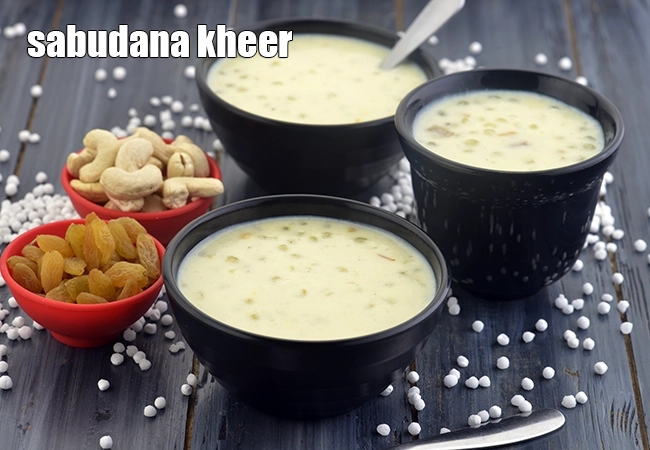
Panchamrut
Panchamrut is a devotional mixture of five sattvic ingredients—milk, curd, honey, ghee, and sugar. It is traditionally used as a sacred offering during prayers and consumed after the fast. This blend is considered auspicious and nourishing for devotees. It provides gentle energy and spiritual significance during Sankashti Chaturthi.
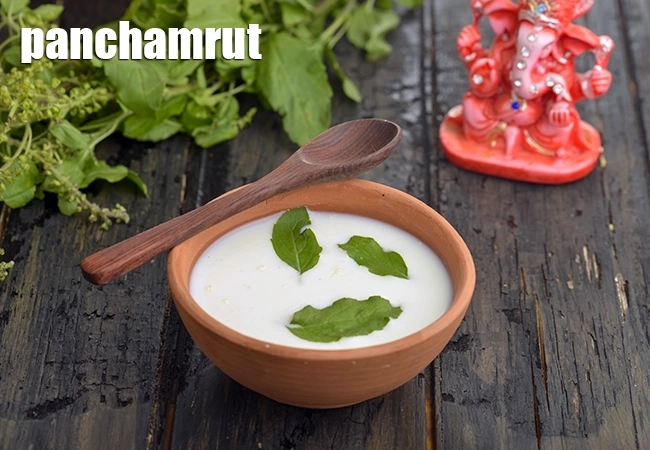
Sabudana Kheer
A classic fasting sweet made with soaked sabudana cooked in milk and sweetened to perfection. The texture is rich and creamy, yet light on the stomach, making it ideal for breaking the fast after moonrise. The soft pearls of sabudana absorb the milk’s flavour, delivering a comforting taste. This kheer keeps you satiated and also serves as a devotional offering during Sankashti Chaturthi.
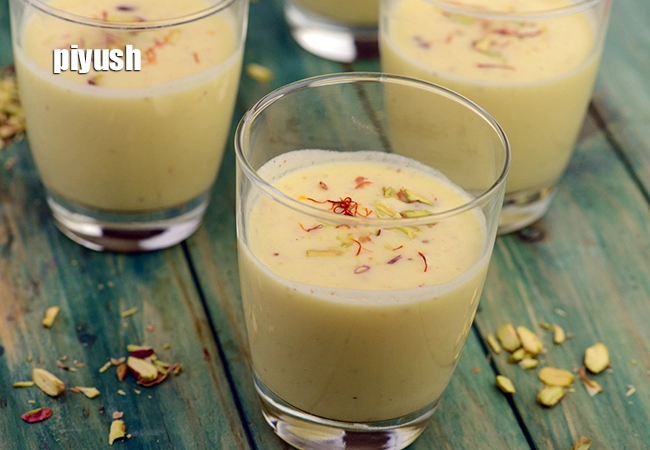
Piyush
Piyush is a traditional fasting drink made with milk, sugar, and subtle spices. It provides hydration and energy without heaviness, making it suitable for long fasting hours. The gentle sweetness combined with milk’s soothing qualities makes it a popular vrat beverage. Often served chilled, it refreshes the body and uplifts the mood.
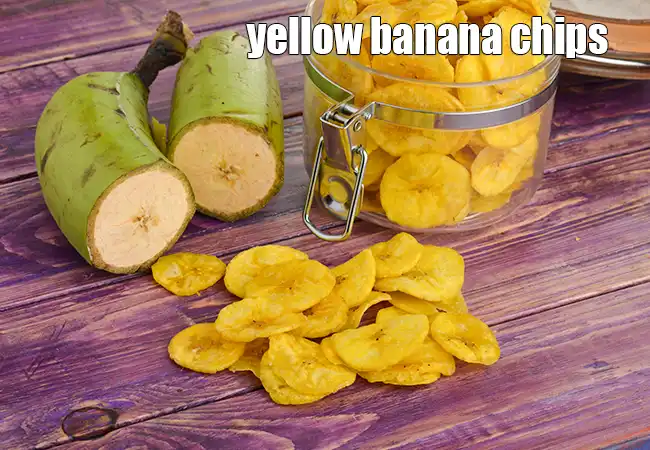
Banana Wafers (Yellow Banana Chips / Banana Wafers)
Thinly sliced bananas are lightly deep-fried to make a crispy and satisfying fasting snack. These wafers are either salt-free or lightly seasoned with rock salt, keeping them vrat-compliant. The natural sweetness of bananas makes them a healthier alternative to regular chips. They are ideal for snacking during the day to curb hunger pangs.
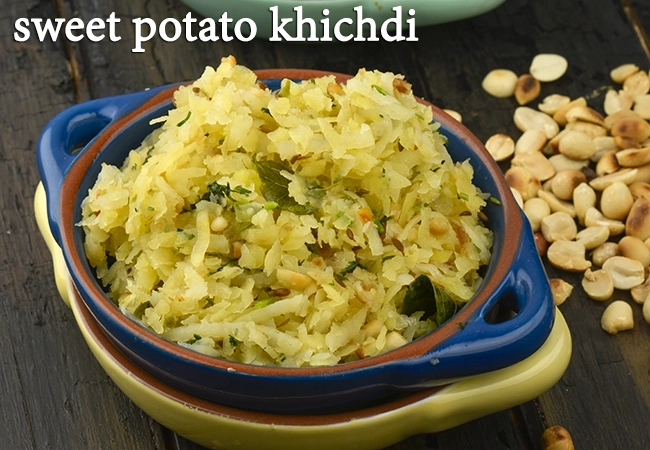
Sweet Potato Khichdi
This sweet potato-based dish combines grated sweet potatoes with mild flavours to create a soft, comforting meal. It is easy to digest, nutrient-rich, and fully suitable for fasting days. The natural sweetness and hearty texture make it satisfying without feeling heavy. It can be enjoyed as a light meal or offered as prasadam.
Vrat-Friendly Savory Dishes (No Grains, No Onion/Garlic)
Vrat-friendly savory dishes play an important role during Sankashti Chaturthi fasting, especially for devotees who prefer non-sweet meals. These dishes are prepared without regular grains, onion, or garlic, strictly following traditional fasting rules. Ingredients like sabudana, potatoes, peanuts, sweet potatoes, and vrat-approved flours are commonly used to create filling yet light meals. Rock salt (sendha namak) replaces regular salt to maintain vrat purity. Despite limited ingredients, these dishes offer satisfying flavors and good nutritional balance. They help sustain energy levels during long fasting hours without causing heaviness. Often consumed after moonrise, these savory preparations bring comfort, variety, and nourishment to the fasting thali.
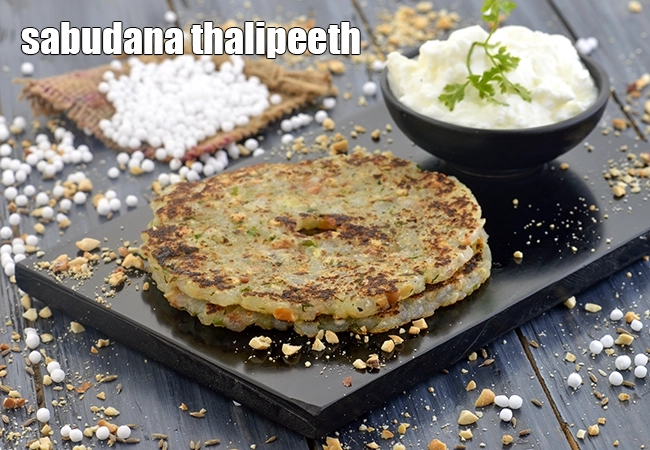
Sabudana Thalipeeth
Sabudana Thalipeeth is a popular fasting savoury pancake made from soaked sabudana and mashed potatoes. Mildly spiced and pan-fried to golden perfection, it offers a filling option during vrat days. The crispy exterior and soft interior make it enjoyable and satisfying. It pairs well with fasting-friendly curd or chutney.
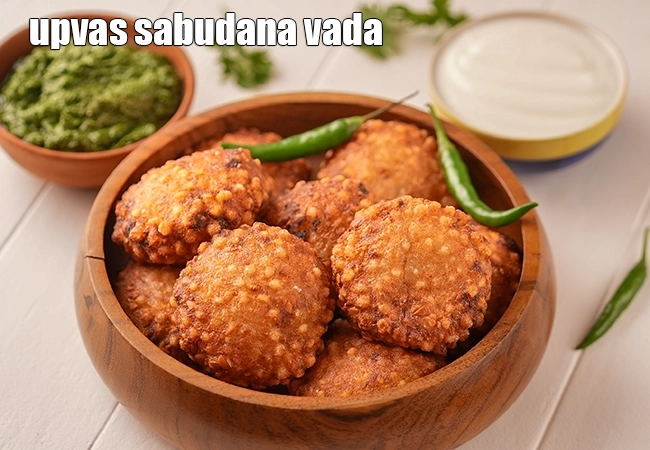
Sabudana Vada
These deep-fried fritters combine sabudana and boiled potatoes into a crispy, airy snack. Crunchy on the outside and soft inside, they are a favourite fasting food across regions. Peanuts add texture and nutrition while keeping the flavours mild. Serve them hot for the best taste and crispness.
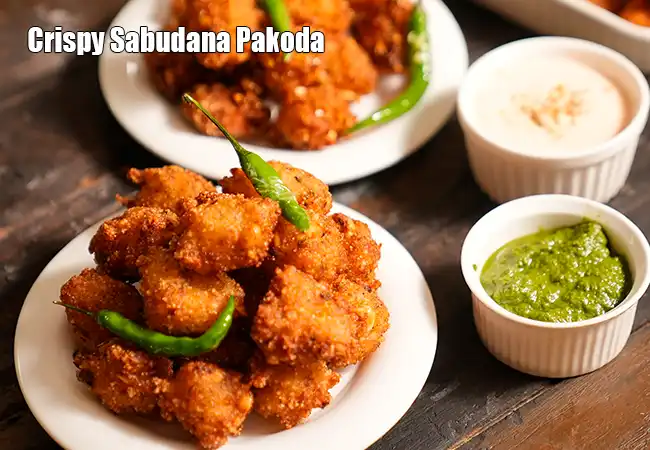
Crispy Sabudana Pakoda
Sabudana pakodas are crunchy fritters made using sabudana, potatoes, and peanuts. Fried until golden, they deliver a satisfying bite that works well during fasting hours. These pakodas are especially popular as evening snacks. They should be served fresh to enjoy their full crispiness.
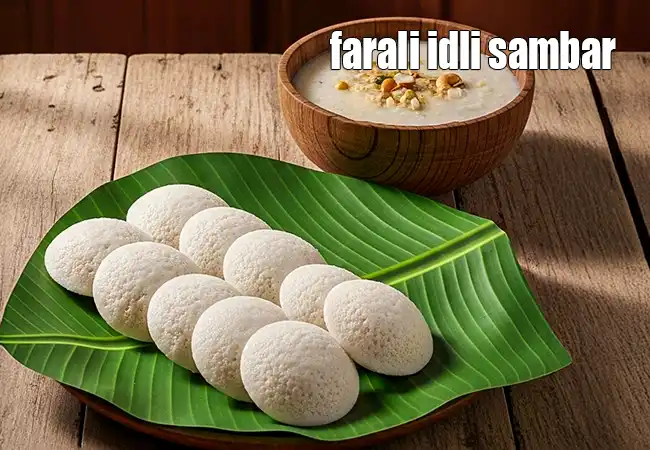
Farali Idli Sambar
Farali Idli Sambar is a fasting-friendly adaptation of the classic South Indian combination. The idlis are steamed and light, while the sambar is prepared without lentils or onion-garlic. Together, they form a wholesome and comforting meal. This dish adds variety to traditional vrat menus.
Fasting Sweets & Prasad Recipes
Fasting Sweets & Prasad Recipes play a central role in Sankashti Chaturthi as they are prepared both for devotion and nourishment. These recipes are made using vrat-friendly ingredients such as milk, jaggery, coconut, sabudana, singhare ka atta, and ghee, ensuring they follow traditional fasting rules. The sweetness in these dishes is kept mild and natural, making them suitable for consumption after long fasting hours. Most of these sweets are first offered as naivedya to Lord Ganesha and then consumed as prasad, adding spiritual significance to the meal. Their rich aroma and soft textures bring comfort and satisfaction without feeling heavy. Apart from their devotional value, these recipes also provide instant energy and nourishment. Together, fasting sweets and prasad recipes beautifully balance faith, tradition, and mindful eating during Sankashti Chaturthi.
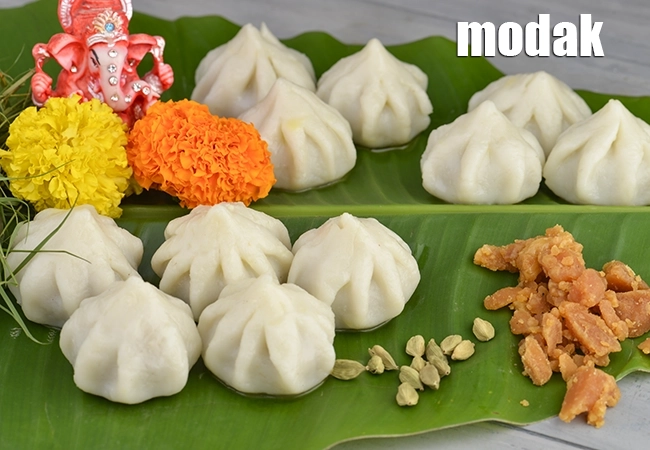
Modak
Modak is the most cherished sweet offering to Lord Ganesha. Steamed to perfection, these dumplings are filled with coconut and jaggery, making them soft and aromatic. They are traditionally offered as naivedya and later consumed as prasad. Their mild sweetness aligns perfectly with fasting practices.
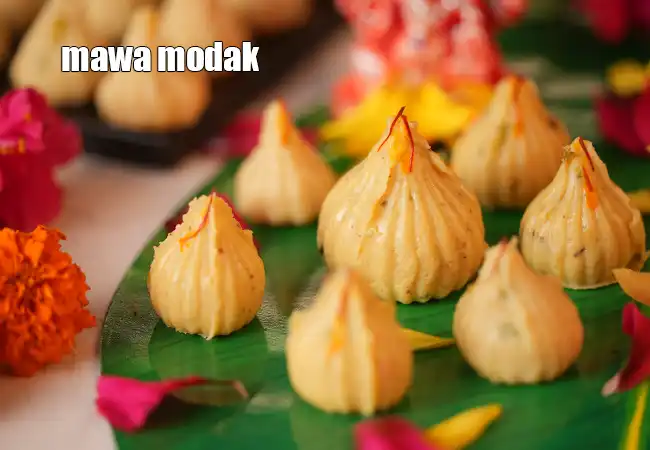
Mawa Modak is a rich and festive Indian sweet especially prepared during Ganesh Chaturthi.
It is made using khoya (mawa), sugar, and mild flavorings like cardamom.
The modak has a soft, melt-in-the-mouth texture with a delicate sweetness.
It is considered a favorite offering to Lord Ganesha.
Mawa Modak adds richness and devotion to festive celebrations.
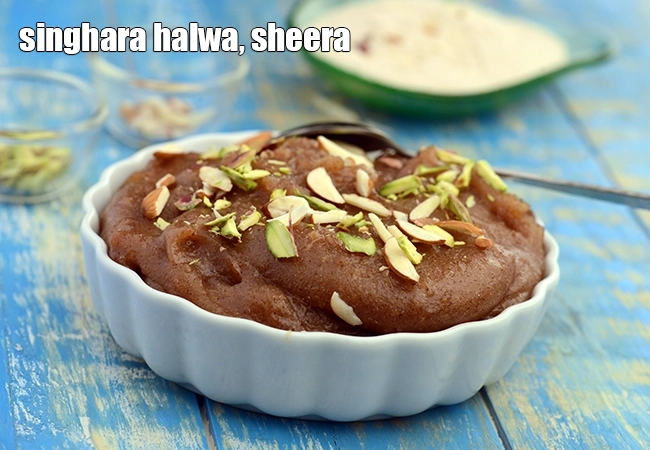
Singhada Sheera (Farali Singhara Halwa)
Singhada Sheera is prepared using water chestnut flour cooked with ghee and sweetener. Dense and aromatic, it is well-suited for fasting consumption. This halwa is often prepared as prasadam after prayers. Its earthy flavour and richness make it especially satisfying.
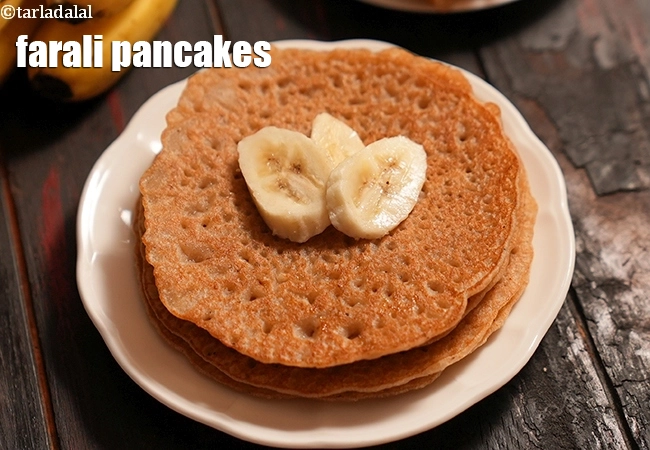
Sweet Faraali Pancakes
These mildly sweet pancakes are made from fasting-safe flours and natural sweeteners. Soft in texture, they provide a comforting dessert option without breaking vrat rules. They taste excellent with honey or jaggery syrup. These pancakes can be served as a light snack or dessert.
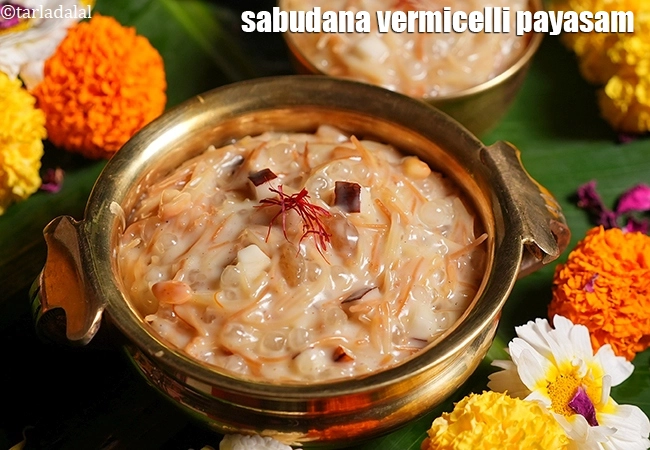
Sabudana Vermicelli Payasam
This fasting dessert features thin sabudana vermicelli cooked slowly in milk. The result is a silky, mildly sweet payasam that feels soothing after prayers. The sabudana adds texture while keeping the dish sattvic. It can be enjoyed warm or chilled.
Farali Main Meals & One-Dish Vrat Recipes
Farali Main Meals and One-Dish Vrat Recipes are designed to provide complete nourishment while strictly following Sankashti Chaturthi fasting rules. These dishes are ideal for consumption after moonrise or during partial fasts, as they are filling without being heavy. Prepared using fasting-approved ingredients like sabudana, potatoes, rajgira, and singhare ka atta, they offer sustained energy throughout the day. The recipes avoid grains, lentils, onion, and garlic, keeping them fully vrat-compliant. Their balanced texture and mild seasoning make them easy to digest for all age groups. These one-dish meals simplify fasting cooking while still delivering comfort and satisfaction. They are a practical choice for devotees who prefer wholesome, home-style meals during Sankashti Chaturthi.
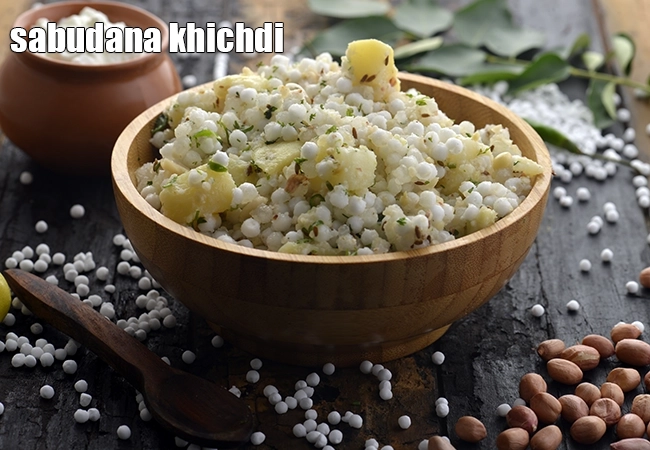
Sabudana Khichdi
Sabudana Khichdi is one of the most popular fasting dishes and a Sankashti Chaturthi staple. Made with soaked sabudana, peanuts, potatoes, and mild spices, it provides long-lasting energy. The dish is light on digestion yet filling enough for fasting days. Its soft texture and subtle flavour suit all age groups.
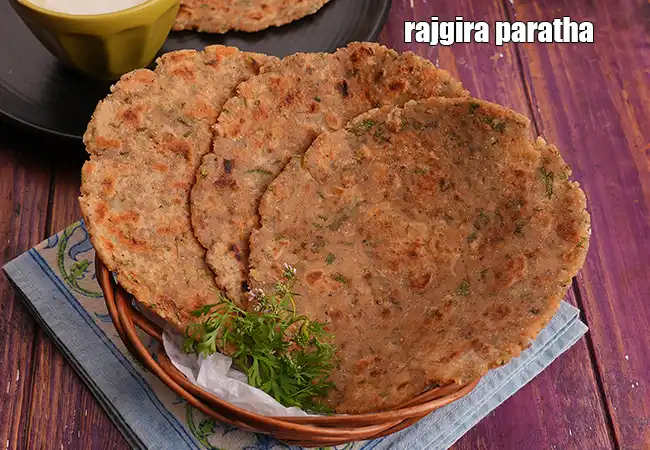
Rajgira Paratha
Rajgira Paratha is a nutritious fasting flatbread prepared using amaranth flour and boiled potatoes. It is gluten-free, protein-rich, and ideal for vrat days when grains are avoided. The paratha has a soft texture and mild taste. It pairs well with fasting-friendly curd or peanut chutney.
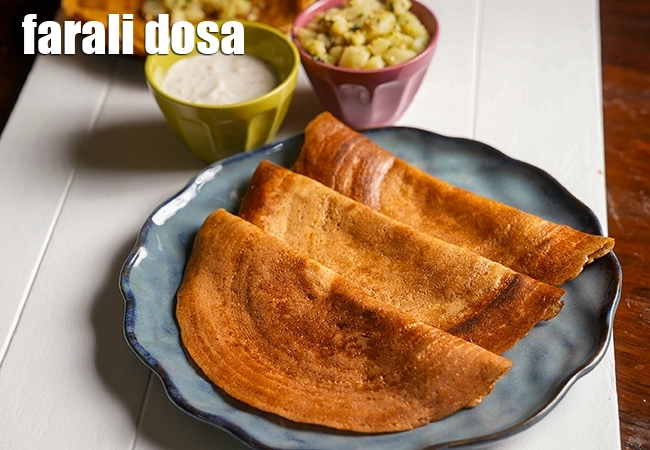
Farali Dosa
Farali Dosa is a creative fasting version of the classic dosa made without rice or lentils. Prepared using fasting-allowed ingredients, it offers a crisp exterior and soft centre. The dosa is light yet satisfying, making it suitable for evening meals after moonrise. It pairs well with fasting chutneys or plain curd.
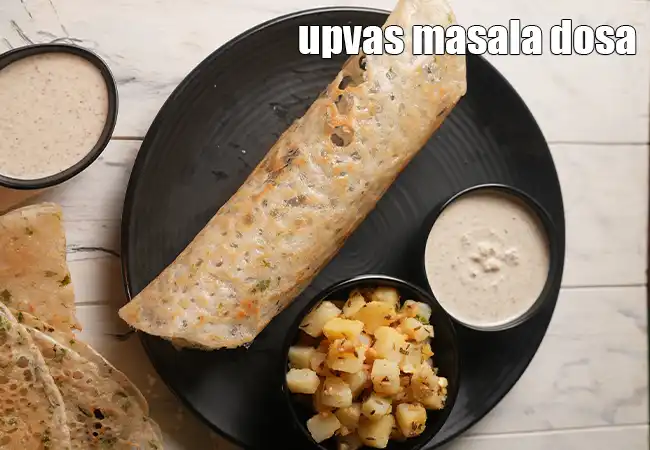
Upvas Masala Dosa is a fasting-friendly version of the classic dosa made without rice or lentils. It is prepared using vrat-allowed ingredients like sabudana, rajgira, or potato-based batter. The dosa is crisp on the outside and soft inside, making it light yet satisfying. It is usually filled with a mild potato stuffing suitable for upvas. This dosa is commonly enjoyed after moonrise during fasting days.
Health Benefits During Sankashti Chaturthi Vrat
Observing Sankashti Chaturthi vrat is not only spiritually beneficial but also offers several health advantages when followed correctly.
1. Improves Digestion
Fasting gives the digestive system a break. Light phalahar foods like fruits, milk, and sabudana are easy to digest and help reset digestion.
2. Detoxifies the Body
Avoiding grains, processed foods, and heavy meals allows the body to naturally detox, helping eliminate toxins and improve metabolism.
3. Boosts Metabolic Health
Short-term fasting helps regulate insulin levels and improves metabolic efficiency, which can support weight management.
4. Enhances Mental Clarity
Sattvic foods and fasting promote mental calmness, better focus, and reduced stress, supporting emotional well-being.
5. Supports Gut Health
Simple foods reduce bloating and acidity while improving gut balance, especially when overeating is avoided.
6. Encourages Mindful Eating
Eating after moonrise teaches portion control and mindful eating, reducing unhealthy food cravings.
Note: People with medical conditions, pregnant women, children, and the elderly should follow a modified vrat.
Sankashti Chaturthi Fasting Rules
Sankashti Chaturthi is observed every month on the Krishna Paksha Chaturthi (fourth day after the full moon). The fast is dedicated to Lord Ganesha and is believed to remove obstacles, bring peace, and fulfill wishes.
🕉️ 1. Nature of the Fast
- Devotees observe a day-long fast from sunrise until moonrise
- The fast is broken only after sighting the moon
- Some devotees follow a strict nirjala fast (no food or water)
- Others observe a partial fast (phalahar vrat) based on health and tradition
🌙 2. Moonrise Ritual (Very Important)
- The fast is broken only after moonrise
- Moon worship is performed by:
- Offering water (arghya)
- Chanting Ganesh mantras
- Offering prasad to Lord Ganesha
- Food is consumed only after prayers
🍽️ 3. Foods Allowed During Sankashti Chaturthi Fast
Only sattvic and vrat-approved foods are allowed:
Allowed ingredients
- Fruits and fruit juices
- Milk, curd, buttermilk, ghee
- Sabudana (sago)
- Potatoes, sweet potatoes
- Peanuts and dry fruits
- Rajgira (amaranth), singhara atta
- Rock salt (sendha namak)
🚫 4. Foods Strictly Avoided
- Grains (rice, wheat, maize, oats)
- Pulses and lentils
- Onion and garlic
- Regular salt
- Packaged or processed foods
- Alcohol and non-vegetarian food
🍬 5. Prasad and Sweets
- Fasting sweets are allowed and encouraged
- Common prasad items include:
- Modak
- Sabudana kheer
- Panchamrut
- Milk-based sweets
- Prasad must be offered first, then consumed
☕ 6. Tea and Coffee
- Depends on family tradition
- Many devotees avoid tea and coffee
- Milk, plain water, or fruit juice is preferred
👨👩👧 7. Children, Elderly & Health Considerations
- Children and elderly may follow a light phalahar diet
- Milk, fruits, and soft sabudana dishes are suitable
- Health should always take priority over strict fasting
📿 8. Spiritual Guidelines
- Maintain cleanliness and calmness
- Avoid anger, negativity, and harsh speech
- Spend time in prayer, chanting, or reading devotional texts
- Fasting is as much mental and spiritual as it is physical
FAQS
1. What are Sankashti Chaturthi recipes?
Sankashti Chaturthi recipes are special fasting dishes prepared to observe the sacred vrat dedicated to Lord Ganesha. These recipes follow sattvic principles and are made without grains, pulses, onion, garlic, or regular salt. They are designed to be light, nourishing, and spiritually appropriate for fasting.
2. What foods are allowed during Sankashti Chaturthi fast?
Foods allowed during Sankashti Chaturthi include fruits, milk and milk products, sabudana, potatoes, peanuts, sweet potatoes, rajgira, and singhare ka atta. Rock salt, known as sendha namak, is used instead of regular salt. These ingredients help maintain energy while keeping the fast pure.
3. Can sabudana be eaten on Sankashti Chaturthi?
Yes, sabudana is one of the most commonly consumed ingredients during Sankashti Chaturthi fasting. It is easy to digest and provides quick energy. Dishes like sabudana khichdi, sabudana vada, and sabudana kheer are widely prepared.
4. Are sweets allowed during Sankashti Chaturthi fast?
Yes, fasting-friendly sweets are allowed and are often offered as prasad. These sweets are usually made using milk, jaggery, coconut, dry fruits, or fasting flours. They are prepared without refined flour or grains.
5. When is food consumed on Sankashti Chaturthi?
Traditionally, devotees observe a day-long fast and eat only after moonrise. The fast is broken after performing moon worship and offering prasad to Lord Ganesha. Some people may follow a partial fast based on personal or family traditions.
6. Is tea or coffee allowed during Sankashti Chaturthi fast?
This depends on individual beliefs and family customs. Many devotees avoid tea and coffee, preferring milk or light fasting beverages instead. It is best to follow the fasting rules traditionally observed in your household.
7. Why are onion and garlic avoided in Sankashti Chaturthi recipes?
Onion and garlic are avoided because they are considered non-sattvic foods. Sankashti Chaturthi fasting focuses on purity, calmness, and spiritual discipline. Sattvic foods help maintain mental clarity and devotion.
8. Can children and elderly people follow Sankashti Chaturthi fasting recipes?
Yes, children and elderly people can follow modified fasting meals using light phalahar foods. Milk-based dishes, fruits, and soft sabudana preparations are suitable for them. Health and comfort should always be given priority.
9. What is the importance of prasad in Sankashti Chaturthi recipes?
Prasad is first offered to Lord Ganesha before being consumed. It represents devotion, gratitude, and blessings. Fasting sweets and simple satvik dishes are commonly prepared as prasad.
10. Can Sankashti Chaturthi recipes be prepared in advance?
Some recipes such as ladoos and dry fasting snacks can be prepared in advance. However, freshly cooked food is generally preferred for prasad and for breaking the fast. Planning ingredients ahead of time can make fasting day preparation easier.
Conclusion
Sankashti Chaturthi recipes beautifully reflect the balance between devotion, discipline, and nourishment. Prepared using simple, sattvic ingredients, these fasting foods support both physical well-being and spiritual focus throughout the vrat. From light phalahar dishes and comforting sabudana preparations to wholesome farali meals and sacred prasad sweets, each recipe carries religious significance and traditional wisdom. Observing the fast with mindful food choices helps devotees maintain energy while honoring Lord Ganesha with purity and faith. Ultimately, Sankashti Chaturthi recipes transform fasting into a meaningful and fulfilling spiritual practice rooted in tradition and devotion.

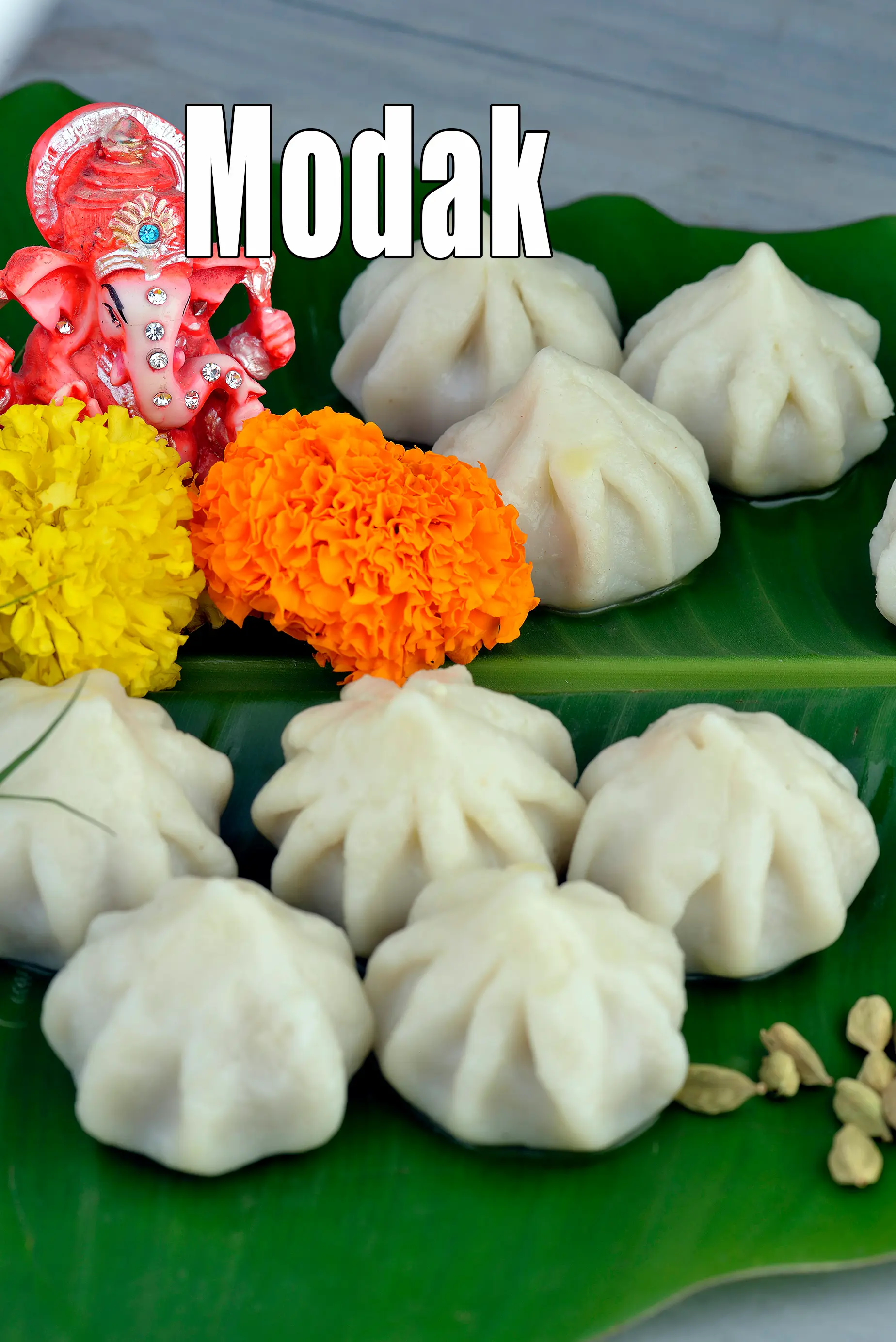
Whether you’re making them with a modak mould or shaping them by hand, this recipe captures the essence … More..
Recipe# 3700
20 September, 2019
calories per serving
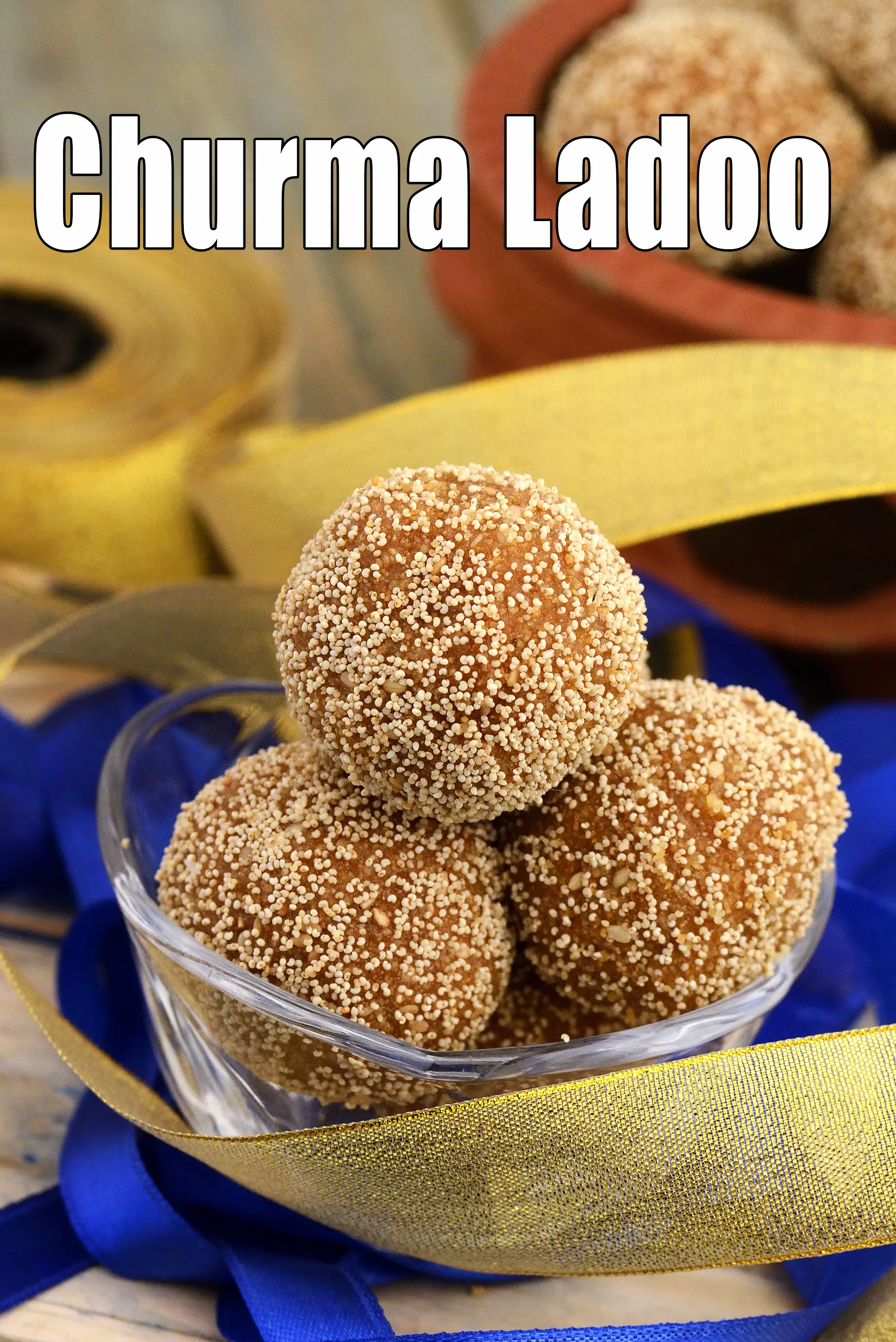
churma ladoo recipe | Rajasthani churma ladoo | atta churma ladoo | with 23 amazing images.churma ladoo recipe … More..
Recipe# 2615
02 February, 2020
calories per serving
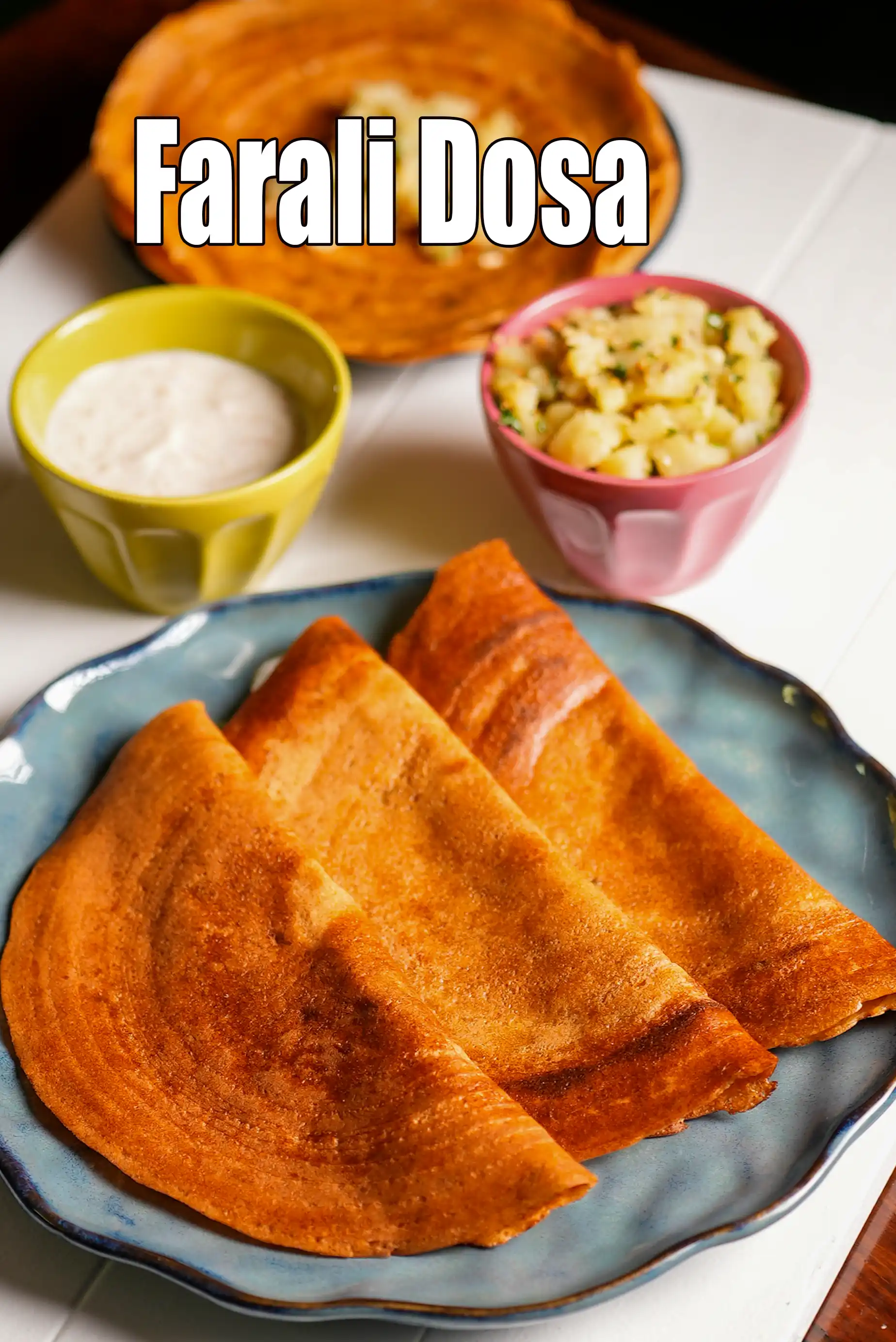
farali dosa recipe | faral dosa | sama rajgira dosa | rajgira dosa | with amazing 17 images. farali … More..
Recipe# 5213
07 January, 2020
calories per serving
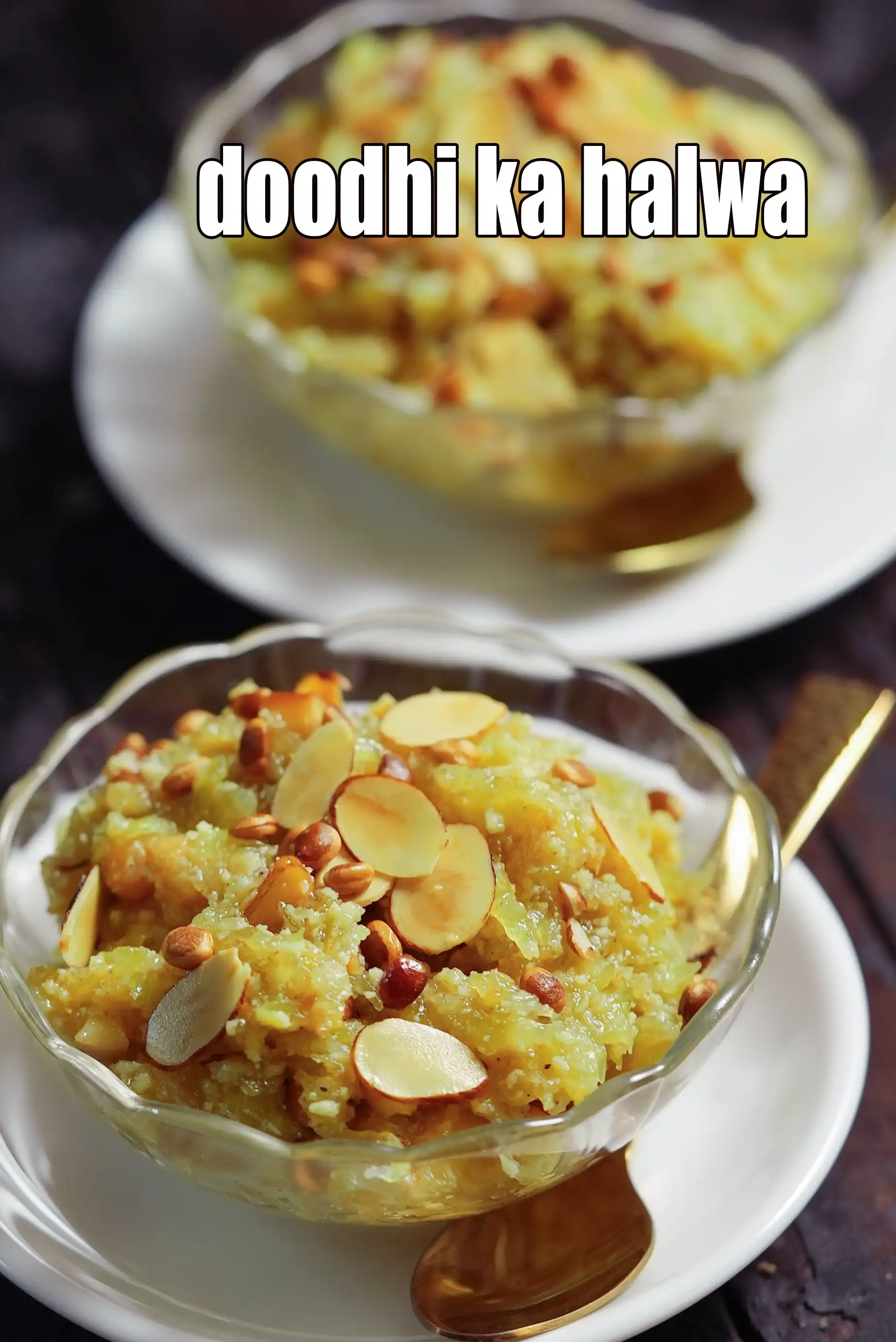
doodhi ka halwa recipe | Punjabi dudhi ka halwa using mawa | lauki ka halwa | with 23 … More..
Recipe# 2607
01 October, 2025
calories per serving
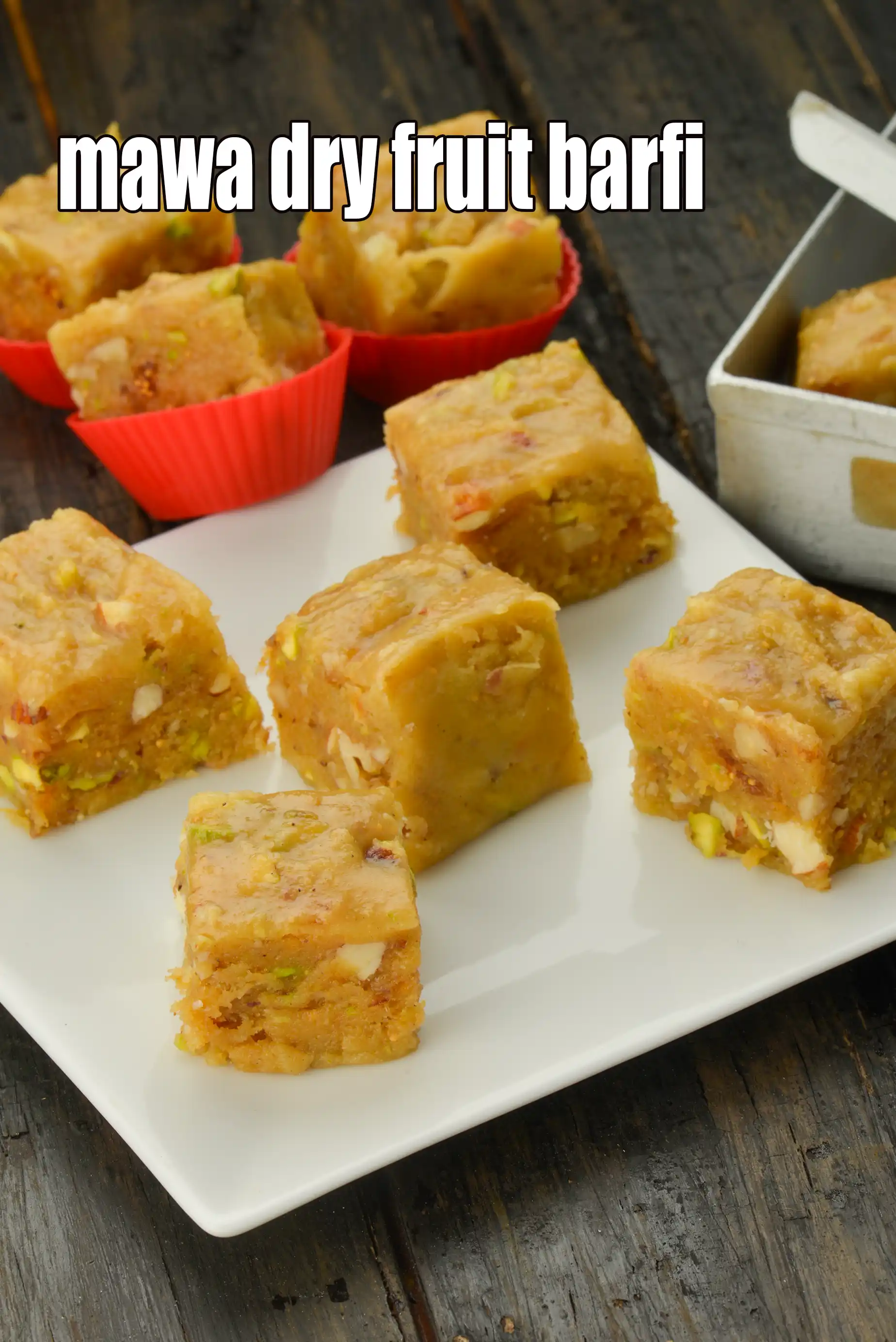
mawa dry fruit barfi recipe | khoya dry fruit barfi | mava dry fruit burfi | Indian mawa … More..
Recipe# 2620
10 August, 2021
calories per serving
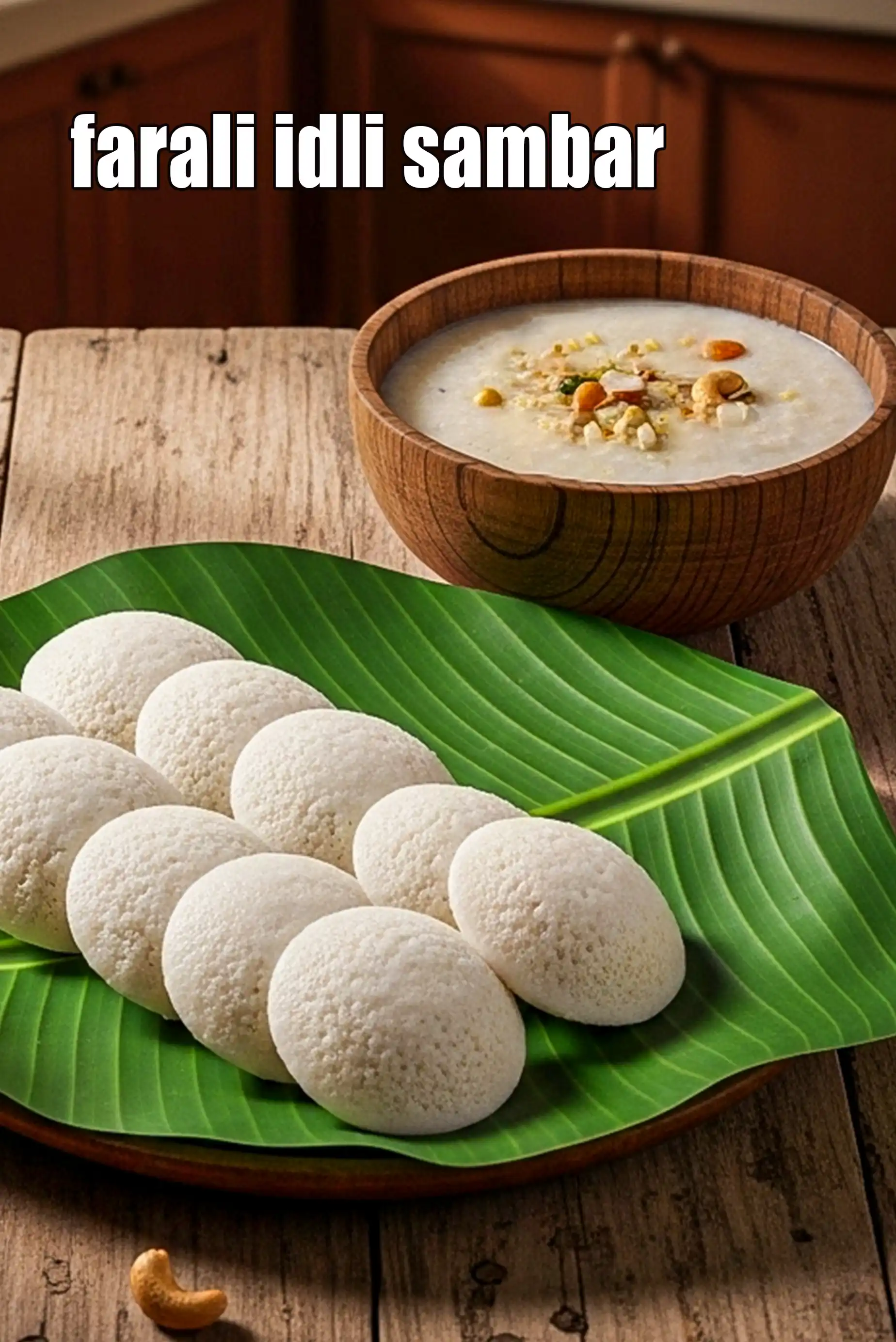
farali idli sambar recipe | vrat sambar | navratri, vrat idli chutney | fasting idli sambar |farali idli … More..
Recipe# 4764
15 April, 2021
calories per serving
-1502.webp?w=200&format=webp)
Khandvi, one of the gems of gujarathi cuisine, has been transferred into faraali style, so that it can … More..
Recipe# 4771
20 February, 2014
calories per serving
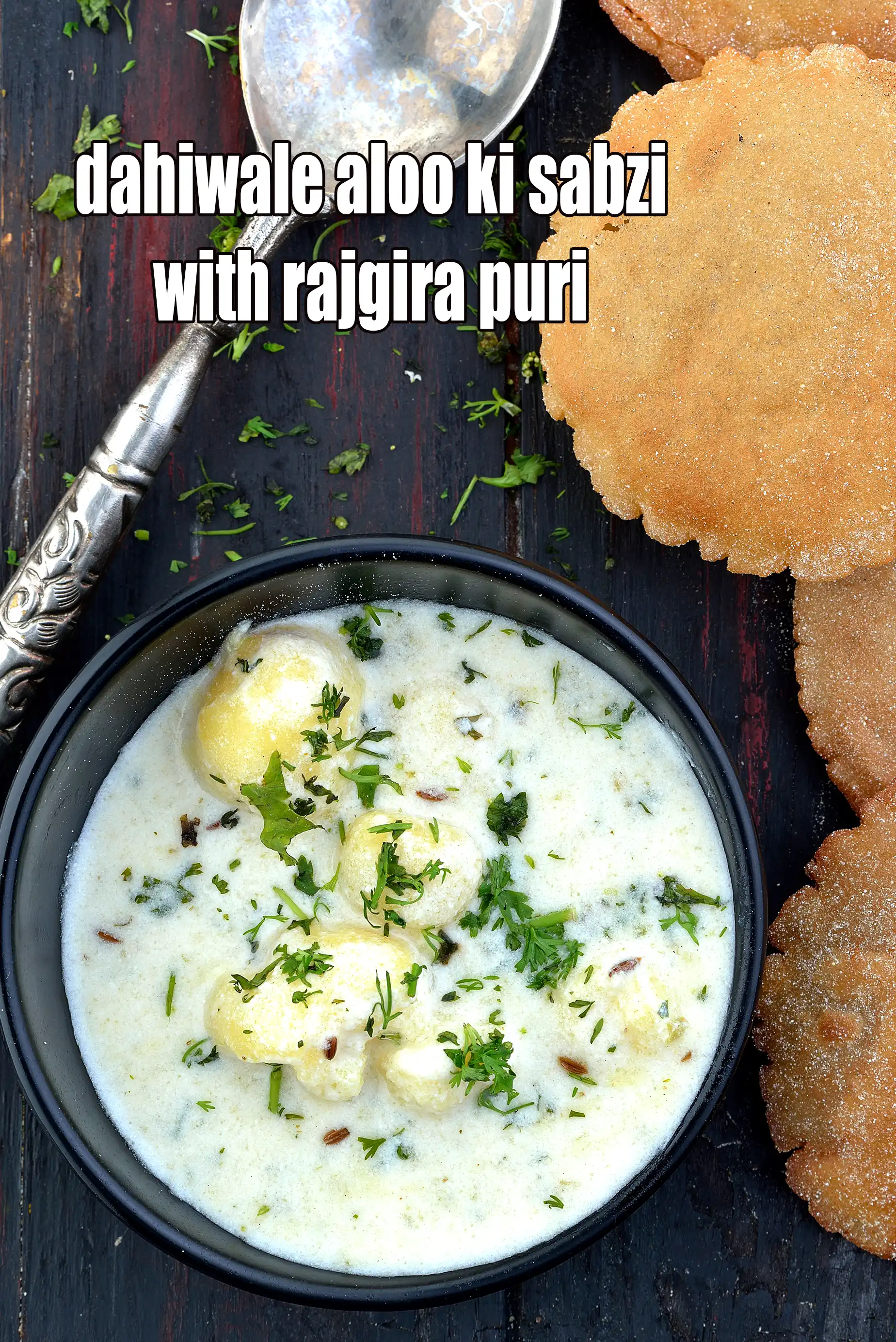
dahiwale aloo ki sabzi with rajgira puri recipe | rajgira aloo puri | dahi aloo ki sabzi for … More..
Recipe# 5217
11 October, 2021
calories per serving
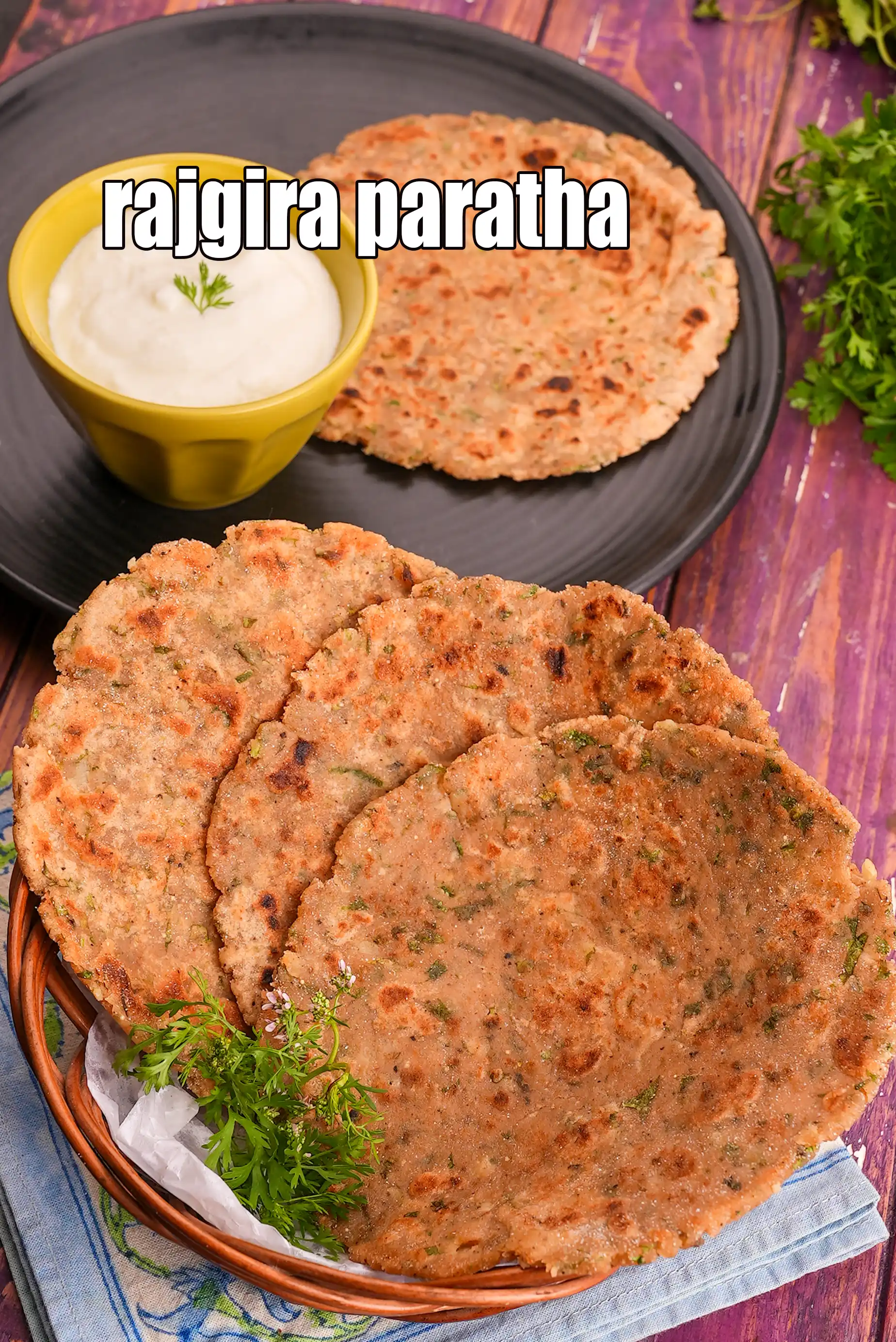
rajgira paratha recipe | rajgira roti | amaranth vrat paratha | gluten free paratha | with 20 amazing … More..
Recipe# 336
18 October, 2023
calories per serving
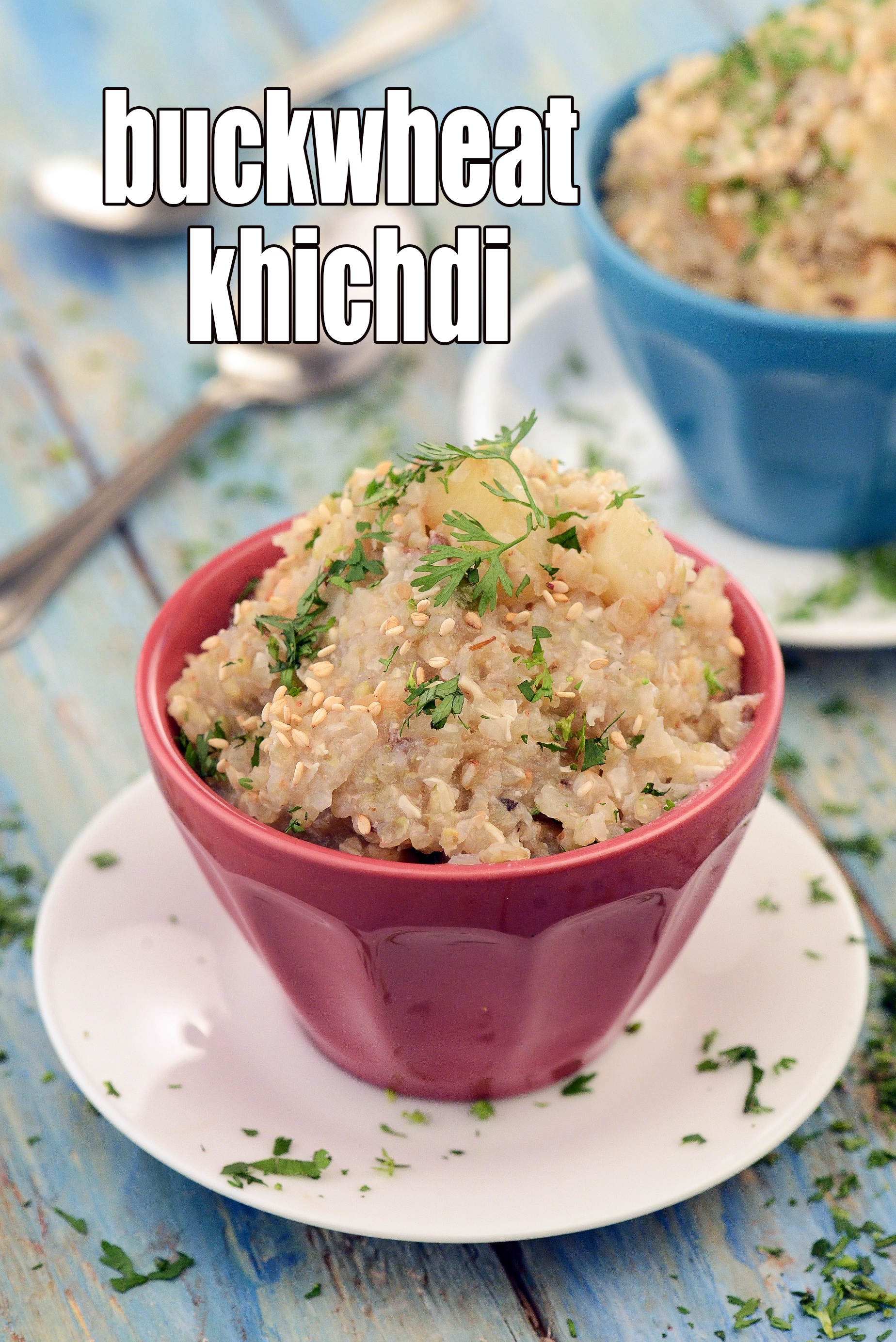
buckwheat khichdi recipe | kutto khichdi | farali kutto khichdi | healthy kutto khichdi | with 15 amazing … More..
Recipe# 5220
08 June, 2020
calories per serving
calories per serving
Whether you’re making them with a modak mould or shaping them by hand, this recipe captures the essence … More..
calories per serving
churma ladoo recipe | Rajasthani churma ladoo | atta churma ladoo | with 23 amazing images.churma ladoo recipe … More..
calories per serving
farali dosa recipe | faral dosa | sama rajgira dosa | rajgira dosa | with amazing 17 images. farali … More..
calories per serving
doodhi ka halwa recipe | Punjabi dudhi ka halwa using mawa | lauki ka halwa | with 23 … More..
calories per serving
mawa dry fruit barfi recipe | khoya dry fruit barfi | mava dry fruit burfi | Indian mawa … More..
calories per serving
farali idli sambar recipe | vrat sambar | navratri, vrat idli chutney | fasting idli sambar |farali idli … More..
calories per serving
Khandvi, one of the gems of gujarathi cuisine, has been transferred into faraali style, so that it can … More..
calories per serving
dahiwale aloo ki sabzi with rajgira puri recipe | rajgira aloo puri | dahi aloo ki sabzi for … More..
calories per serving
rajgira paratha recipe | rajgira roti | amaranth vrat paratha | gluten free paratha | with 20 amazing … More..
calories per serving
buckwheat khichdi recipe | kutto khichdi | farali kutto khichdi | healthy kutto khichdi | with 15 amazing … More..


Related Recipes
Follow US
Recipe Categories
- Vitamin B12 Cobalamin Rich 35 recipes
- Low Calorie, Weight Loss Indian 423 recipes
- Low Cholesterol Indian 314 recipes
- Healthy Indian Breakfast 374 recipes
- Indian Diabetic 564 recipes
- Indian Pregnancy 461 recipes
- Zero Oil Indian 133 recipes
- Iron Rich Indian 268 recipes
- Healthy Indian Acidity recipes 137 recipes
- Healthy Sabzis 108 recipes
- Indian Healthy Veg Snack 276 recipes
- Healthy Heart Recipes 421 recipes
- Healthy Veg Indian Soups 74 recipes
- Calcium Rich Indian 373 recipes
- High Blood Pressure Indian Recipes 104 recipes
- Healthy Indian Salads Recipes 137 recipes
- Low Carb Indian Diet, recipes 163 recipes
- Hypothyroidism Diet 63 recipes
- Arthritis Diet 68 recipes
- High Protein Indian recipes 95 recipes
- Vitamin K Diet 42 recipes
- Fatty Liver Diet 39 recipes
- PCOS 136 recipes
- Gluten Free Veg Indian 197 recipes
- High Fiber 329 recipes
- Indian Cancer Patients 275 recipes
- Jaundice Diet 45 recipes
- Sprouts 61 recipes
- Typhoid 43 recipes
- Irritable Bowel Syndrome (IBS) 23 recipes
- Kidney Stone Diet 10 recipes
- Home Remedies 213 recipes
- Senior Citizen 195 recipes
- Healthy Indian Drinks and Juices 214 recipes
- Diet for Dialysis 10 recipes
- Gout Indian Recipes 17 recipes
- Potassium Rich 80 recipes
- Vegan 195 recipes
- Indian recipes to treat Vomiting 8 recipes
- Forever Young Diet, Anti Aging Indian Diet 255 recipes
- Antioxidant Rich Indian 445 recipes
- Vitamin B1 Rich Indian Foods, Recipes 101 recipes
- High in Omega 3 Fatty Acids 32 recipes
- Zinc Rich Foods 55 recipes
- Vitamin A Rich, Beta Carotene, Retinol 89 recipes
- Malaria Diet 19 recipes
- Magnesium Rich 94 recipes
- Vitamin C Rich Indian recipes 118 recipes
- Healthy Indian Dinner 85 recipes
- Low Veg Glycemic Index 86 recipes
- Lower Blood Pressure Salads 8 recipes
- Healthy Indian Lunch Recipes 29 recipes
- Lactation 25 recipes
- Vitamin E Rich 51 recipes
- Hyperthyroidism Diet 47 recipes
- Vitamin B3, Niacin Rich 41 recipes
- Post Surgery Diet 42 recipes
- Selenium 27 recipes
- Phosphorus Rich Indian Recipes, Foods 74 recipes
- Lower Blood Pressure Desserts Sweets 14 recipes
- Copper 15 recipes
- Foods Rich in Vitamin B2 Riboflavin 22 recipes
- Vitamin B6 Diet 36 recipes
- B Vitamins 231 recipes
- Vitamin B9 Rich Folate 50 recipes
- Marathoners, Endurance Athletes, Triathlete 225 recipes
- Manganese Diet 32 recipes
- Thalassemia 18 recipes
- Detox Water, Fruit Infused Water 42 recipes
- Lactose Free Dairy Free 22 recipes
- Omega 6 Fatty Acids 32 recipes
- Phytonutrients 51 recipes
- Chronic Kidney Disease Indian recipes 12 recipes
- Selenium1 0 recipes
- Quick Snacks / Quick Starters 385 recipes
- Quick Breakfast Indian 131 recipes
- Quick & Easy Indian Sabzi 117 recipes
- Quick Rotis and Parathas 46 recipes
- Quick Indian Sweets 139 recipes
- Quick Stir-Fries 51 recipes
- Quick Vegetarian Indian Soups 72 recipes
- Quick Chutneys 67 recipes
- Quick Vegetarian Rice, khichdi Recipes 56 recipes
- Indian Snacks Under 10 Minutes (Quick Veg Recipes) 44 recipes
- Quick Indian Dips, Gravies & Sauces 105 recipes
- Quick Veg Indian Pizza 17 recipes
- Quick Veg Pasta 25 recipes
- Quick Pickles / Aachar 25 recipes
- Quick Dals / quick Kadhis 29 recipes
- Snacks under 5 minutes 33 recipes
- Quick Healthy Recipes 43 recipes
- Quick Pressure Cooker 46 recipes
- Quick Desserts 48 recipes
- Quick 3 Ingredients 63 recipes
- Quick Indian Desserts 21 recipes
- Quick 4 Ingredients 41 recipes
- Quick 5 Ingredients 42 recipes
- Kids Tiffin Box 319 recipes
- Recipes for Toddlers (1-3 Years) 32 recipes
- Sweet Recipes for Kids 456 recipes
- Recipes for Baby (10 to 12 Months) 17 recipes
- Quick Indian recipes for Kids 72 recipes
- Indian Breakfast Recipes for Kids 194 recipes
- Recipes for Weaning (8 to 9 months) 22 recipes
- Healthy Foods for Kids 196 recipes
- Snack Recipes for Kids 620 recipes
- Recipes Kids can make 36 recipes
- Kids After School 794 recipes
- Kids Jar Snacks 67 recipes
- Finger Foods for Babies, Toddlers and Kids 76 recipes
- Kids Weight Gain 43 recipes
- Kids Wraps and Rolls 23 recipes
- Kids Veg Pasta 27 recipes
- Kids Brain Boosting 68 recipes
- Protein rich food for kids 71 recipes
- Recipes for Weaning 15 recipes
- Kids Pizzas 30 recipes
- Babies, Toddler and Kids Iron Rich Foods 31 recipes
- High Fiber Foods for Kids 40 recipes
- Kids High Energy Indian Foods 103 recipes
- Kids Noodles 37 recipes
- Kids Calcium Rich Indian recipes 92 recipes
- Babies recipes, 6 to 18 months 34 recipes
- Kids Recipes for Increasing Immunity 10 recipes
- Kids Weight Loss 58 recipes
- Teething Recipes for Babies 10 recipes
- Cereals and Pulses for 8 to 9 months Baby 8 recipes
- Weaning foods at 7 months 12 recipes
- Indian Teen 315 recipes
- Starters / Snacks 2139 recipes
- Indian Breakfast 820 recipes
- Main Course Recipes 928 recipes
- Indian Salads 385 recipes
- Indian Desserts , Sweets 985 recipes
- Indian Soups 249 recipes
- Indian Drinks (Chai, Lassi & More) 484 recipes
- Indian Dinner 903 recipes
- Indian Dinner1 0 recipes
- Indian Lunch 829 recipes
- Side Dishes 449 recipes
- Indian Travel Food 433 recipes
- Indian Barbeque1 recipes 22 recipes
- Frozen Foods, Indian Freezer Recipes 67 recipes
- Whole Wheat Recipes 56 recipes
- Indian Comfort Foods 212 recipes
- Dinner Menus 56 recipes
- Easy Indian Veg 70 recipes
- Innovative Indian Recipes 27 recipes
- No Cook Indian 37 recipes
- Advanced Recipes 10 recipes
- Cakes with Eggs 13 recipes
- Microwave 229 recipes
- Oven 619 recipes
- Indian Steamer Recipes 102 recipes
- Kadai Veg 407 recipes
- Indian Barbeque Recipes 43 recipes
- Sizzler tray 15 recipes
- Mixer 566 recipes
- Pressure Cooker 315 recipes
- Tava 647 recipes
- Non-stick Pan 1393 recipes
- Indian Freezer recipes, meals 57 recipes
- Appe Mould 18 recipes
- Pan 223 recipes
- Non Stick Kadai Veg 203 recipes
- kadai Indian 150 recipes
- Refrigerator 176 recipes
- Waffle Indian recipes 6 recipes
- Handi 12 recipes
- Juicer and Hopper 65 recipes
- Grill 31 recipes
- Toaster 21 recipes
- Gas Toaster 8 recipes
- Healthy Indian steamed 73 recipes
- No Cooking Veg Indian 335 recipes
- Vegetarian baked Indian recipes 381 recipes
- Boiled Indian recipes 129 recipes
- Deep Fry 261 recipes
- Indian Tawa 265 recipes
- Shallow Fry Indian 25 recipes
- Microwave1 172 recipes
- Saute 273 recipes
- Indian Pressure Cooker 171 recipes
- Stir-fry 101 recipes
- Roasting 0 recipes