brown bread
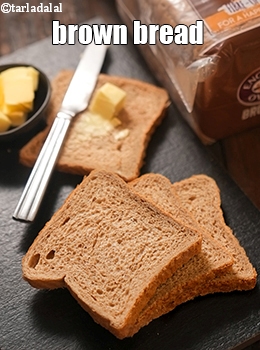
Table of Content

What is brown bread?
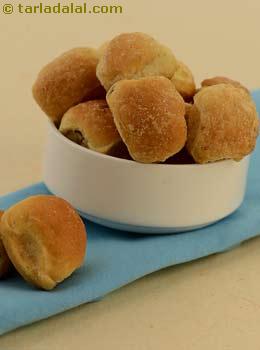
Brown bread is one of the most popular varieties of bread, enjoyed by people the world over. Each country has its own recipe and specialties when it comes to making brown bread. Brown bread is made with significant amounts of whole grain flour like wheat or rye, and may use ingredients like molasses, coffee and caramel for colouring. It retains the bran and germ of the wheat flour, and hence all the essential nutrients and fibre remain intact — making it the preferred choice of the health conscious. It is available in many forms, such as bread rolls, bread buns and loaves.
Brown bread usually contains five main ingredients: wheat or rye flour, salt, sugar, water and yeast. To make bread, ensure that you scale and weigh the ingredients properly. Once that is done, you can start preparing the dough. The dough should be fermented for the proper length of time to yield properly aerated dough. During fermentation, the yeast cells act on the sugars and produce carbon dioxide and alcohol. Once fermented, the dough will rise in volume because of gas retention. This risen dough is punched to release the gases and covered under a wet muslin cloth. The dough will rise once again and needs to be punched again to remove the gases. It is then rolled into desired shapes and baked.
Bread dough can be shaped into various sizes and designs. Bakers might also use various additives, collectively known as Bread Improvers to produce loaves with better keeping properties, finer texture, softer crumbs, added bloom or enhanced flavour. Bread additives include mineral additives, enriching agents or yeast foods like malt sugar, Demerara sugar, etc.
When brown bread is a little old, it can be dried in the oven or toasted on an open flame and then ground into bread crumbs. Alternatively, bread can be cubed and deep-fried to make croutons, which can be stored for a longer time.
Staleness in bread is the dryness and crumbliness felt by the palate. The flavour gets insipid as the bread gets stale. Staling happens because of changes in the starch. Thus, staling is a shift of moisture within the loaf rather than its loss. Thus, bread makers use anti-staling agents like lecithin, soya flour, GMS etc. to improve texture and increase volume.
How to select brown bread
• Always buy fresh brown bread; you can check the freshness using the crust texture and aroma of the bread.
• Never buy without checking the manufacturing date, expiry date and packaging.
Culinary Uses of brown bread in Indian Cooking
• A brown bread loaf can be thinly or thickly sliced as per recipe requirement. Maintain or discard the crust during slicing.
• Sliced brown bread loaves are most commonly used to make sandwiches with various fillings like vegetables, salami, cheese, jam, etc. They can also be made in various styles: toasted or grilled, open toasts, hot dog rolls, submarines, etc.
• Brown bread is a good accompaniment for soups. These breads are usually in the form of bread rolls, Grissini sticks etc.
• Brown bread, when baked into buns, acts as a base for burgers. Burger buns are usually sprinkled with poppy seeds or sesame seeds.
• Butter a few slices of brown bread and rub some garlic on each slice. Cut into cubes and bake in the oven till crisp. Use as croutons for soups. These can also be flavoured with herbs, cheese etc.
• Bread dough can be stuffed with a creamy sauce cooked with vegetables like sweet corn, mushrooms, herbs and cheese, and then baked – to make a great mid-day snack.
• You can roll bread dough thinly and then top with poppy seeds, sesame seeds etc. Cut into thin strips or into triangles and then bake till golden brown and crisp. These strips can be used as crackers or as a garnish for salads.
How to store brown bread
• It is better to consume brown bread fresh. However, if you wish to store it for longer, cover in plastic film, place in a bread box and store under refrigerated conditions. Try and use as soon as possible.
• Alternatively, grind into bread crumbs or cube and deep-fry to make bread croutons, which can be stored in an airtight container for few days.
• Bread that is kept in warm or moist conditions is prone to mould. So avoid such environments.
Is brown bread healthy?
Brown bread is healthier than white bread and should be consumed in limited quantity and only occasionally by those with diabetes, heart and weight loss issues. Its all relative. If you want to live a very healthy life, then you are better off skipping bread.

Related Glossary
.webp)
Follow US
Recipe Categories
- Vitamin B12 Cobalamin Rich Recipes 33 recipes
- Low Calorie, Weight Loss Indian Recipes 421 recipes
- Low Cholesterol Indian Recipes 308 recipes
- Healthy Indian Breakfast 372 recipes
- Indian Diabetic recipes 558 recipes
- Indian Pregnancy recipes 461 recipes
- Zero Oil Indian Recipes 133 recipes
- Iron Rich Indian recipes 267 recipes
- Healthy Indian Acidity recipes 133 recipes
- Healthy Sabzis 108 recipes
- Indian Healthy Veg Snack 276 recipes
- Healthy Heart Recipes 415 recipes
- Healthy Veg Indian Soups 74 recipes
- Calcium Rich Indian Recipes 372 recipes
- High Blood Pressure Indian Recipes 101 recipes
- Healthy Indian Salads Recipes 137 recipes
- Low Carb Indian Diet, recipes 161 recipes
- Hypothyroidism Diet 62 recipes
- Arthritis Diet 68 recipes
- High Protein Indian recipes 93 recipes
- Vitamin K Diet 42 recipes
- Fatty Liver Diet 30 recipes
- PCOS 136 recipes
- Gluten Free Veg Indian 195 recipes
- High Fiber 328 recipes
- Indian Cancer Patients 275 recipes
- Jaundice Diet 45 recipes
- Sprouts 61 recipes
- Typhoid 43 recipes
- Irritable Bowel Syndrome (IBS) 20 recipes
- Kidney Stone Diet 9 recipes
- Home Remedies 213 recipes
- Senior Citizen 195 recipes
- Healthy Indian Drinks and Juices 213 recipes
- Diet for Dialysis 10 recipes
- Gout Indian Recipes 17 recipes
- Potassium Rich 80 recipes
- Vegan 195 recipes
- Indian recipes to treat Vomiting 8 recipes
- Forever Young Diet, Anti Aging Indian Diet 255 recipes
- High in Omega 3 Fatty Acids 31 recipes
- Vitamin B1 Rich Indian Foods, Recipes 101 recipes
- Zinc Rich Foods 55 recipes
- Antioxidant Rich Indian 445 recipes
- Vitamin A Rich, Beta Carotene, Retinol 88 recipes
- Malaria Diet 17 recipes
- Healthy Indian Dinner 85 recipes
- Magnesium Rich 94 recipes
- Vitamin C Rich Indian recipes 118 recipes
- Low Veg Glycemic Index 86 recipes
- Lower Blood Pressure Salads 8 recipes
- Healthy Indian Lunch Recipes 29 recipes
- Lactation 25 recipes
- Vitamin E Rich 51 recipes
- Hyperthyroidism Diet 47 recipes
- Vitamin B3, Niacin Rich 41 recipes
- Post Surgery Diet 42 recipes
- Selenium 27 recipes
- Lower Blood Pressure Desserts Sweets 14 recipes
- Phosphorus Rich Indian Recipes, Foods 74 recipes
- Copper 15 recipes
- Foods Rich in Vitamin B2 Riboflavin 22 recipes
- Vitamin B6 Diet 36 recipes
- Vitamin B9 Rich Folate 50 recipes
- B Vitamins 231 recipes
- Marathoners, Endurance Athletes, Triathlete 225 recipes
- Manganese Diet 32 recipes
- Thalassemia 18 recipes
- Detox Water, Fruit Infused Water 42 recipes
- Lactose Free Dairy Free 22 recipes
- Omega 6 Fatty Acids 32 recipes
- Phytonutrients 51 recipes
- Chronic Kidney Disease Indian recipes 11 recipes
- Selenium1 0 recipes
- Quick Snacks / Quick Starters 385 recipes
- Quick Breakfast Indian 131 recipes
- Quick Sabzis 117 recipes
- Quick Rotis / Parathas 46 recipes
- Quick Indian Sweets 139 recipes
- Quick Stir-Fries 51 recipes
- Quick Vegetarian Indian Soups 72 recipes
- Quick Chutneys 67 recipes
- Quick Vegetarian Rice, khichdi Recipes 56 recipes
- Indian snacks under 10 minutes 44 recipes
- Quick Indian Dips, Gravies & Sauces 103 recipes
- Quick Veg Indian Pizza 17 recipes
- Quick Veg Pasta 25 recipes
- Quick Pickles / Aachar 25 recipes
- Quick Dals / quick Kadhis 29 recipes
- Snacks under 5 minutes 33 recipes
- Quick Healthy Recipes 43 recipes
- Quick Pressure Cooker 46 recipes
- Quick Desserts 47 recipes
- Quick 3 Ingredients 63 recipes
- Quick Indian Desserts 20 recipes
- Quick 4 Ingredients 41 recipes
- Quick 5 Ingredients 42 recipes
- Kids Tiffin Box 319 recipes
- Recipes for Toddlers (1-3 Years) 32 recipes
- Sweet Recipes for Kids 456 recipes
- Recipes for Baby (10 to 12 Months) 17 recipes
- Quick Indian recipes for Kids 72 recipes
- Indian Breakfast Recipes for Kids 192 recipes
- Recipes for Weaning (8 to 9 months) 22 recipes
- Healthy Foods for Kids 196 recipes
- Snack Recipes for Kids 619 recipes
- Recipes Kids can make 36 recipes
- Kids After School 794 recipes
- Kids Jar Snacks 66 recipes
- Finger Foods for Babies, Toddlers and Kids 76 recipes
- Kids Weight Gain 43 recipes
- Kids Wraps and Rolls 23 recipes
- Kids Veg Pasta 27 recipes
- Kids Brain Boosting 68 recipes
- Protein rich food for kids 69 recipes
- Recipes for Weaning 15 recipes
- Kids Pizzas 30 recipes
- Babies, Toddler and Kids Iron Rich Foods 31 recipes
- High Fiber Foods for Kids 39 recipes
- Kids Noodles 37 recipes
- Kids High Energy Indian Foods 103 recipes
- Kids Calcium Rich Indian recipes 90 recipes
- Babies recipes, 6 to 18 months 33 recipes
- Kids Recipes for Increasing Immunity 10 recipes
- Kids Weight Loss 58 recipes
- Teething Recipes for Babies 10 recipes
- Cereals and Pulses for 8 to 9 months Baby 8 recipes
- Weaning foods at 7 months 12 recipes
- Indian Teen 315 recipes
- Starters / Snacks 2138 recipes
- Indian Breakfast Recipes 819 recipes
- Main Course Recipes 925 recipes
- Indian Salads 385 recipes
- Indian Desserts , Sweets 985 recipes
- Indian Soups 249 recipes
- Indian Beverages, Indian Drinks 483 recipes
- Indian Dinner 903 recipes
- Indian Dinner1 0 recipes
- Indian Lunch 830 recipes
- Side Dishes 449 recipes
- Indian Travel Food 433 recipes
- Indian Barbeque1 recipes 22 recipes
- Frozen Foods, Indian Freezer Recipes 67 recipes
- Whole Wheat Recipes 56 recipes
- Indian Comfort Foods 212 recipes
- Dinner Menus 56 recipes
- Easy Indian Veg 70 recipes
- Innovative Indian Recipes 27 recipes
- No Cook Indian 37 recipes
- Advanced Recipes 10 recipes
- Cakes with Eggs 13 recipes
- Microwave 229 recipes
- Oven 619 recipes
- Indian Steamer Recipes 102 recipes
- Kadai Veg 406 recipes
- Indian Barbeque Recipes 43 recipes
- Sizzler tray 15 recipes
- Mixer 566 recipes
- Pressure Cooker 315 recipes
- Tava 646 recipes
- Non-stick Pan 1393 recipes
- Appe Mould 17 recipes
- Indian Freezer recipes, meals 57 recipes
- Pan 223 recipes
- Non Stick Kadai Veg 203 recipes
- kadai Indian 150 recipes
- Refrigerator 176 recipes
- Waffle Indian recipes 6 recipes
- Handi 12 recipes
- Juicer and Hopper 65 recipes
- Grill 31 recipes
- Toaster 21 recipes
- Gas Toaster 8 recipes
- Steam 72 recipes
- No Cooking Veg Indian 335 recipes
- Vegetarian baked Indian recipes 380 recipes
- Boiled Indian recipes 129 recipes
- Deep Fry 259 recipes
- Indian Tawa 266 recipes
- Shallow Fry Indian 25 recipes
- Microwave1 172 recipes
- Saute 273 recipes
- Indian Pressure Cooker 171 recipes
- Stir-fry 100 recipes
- Roasting 0 recipes

-10832.webp)