olive oil
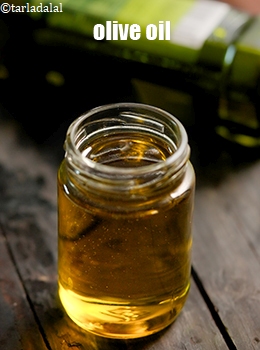
Table of Content

What is olive oil?
Olive oil is made by crushing and then pressing olives. The fact that olives are rich in oil is reflected in the botanical name of the olive tree - Olea europea – wherein the word "oleum" means oil in Latin. Olive oil is more healthful than other sources of alimentary fat because of its high content of monounsaturated fat (mainly oleic acid) and polyphenols. This oil comes in different varieties, depending on the amount of processing involved. Of these, extra virgin olive oil has the most delicate flavour and highest antioxidant benefits.
How to select olive oil
• Olive oil is available throughout the year, much to the delight of health-watchers.
• Since olive oil can become rancid from exposure to light and heat, look for oils that are sold in dark tinted bottles since the packaging will help protect the oil from oxidation caused by exposure to light.
• In addition, make sure the oil is displayed in a cool area, away from any direct or indirect contact with heat.
• The extra virgin variety is the best; however, choose a variety based on your cooking methods and requirements.
Culinary Uses of olive oil in Indian Cooking
• Dress up salads with a tablespoon of olive oil and a splash of lemon juice or balsamic vinegar.
• Place your olive oil and vinegar in a small dish and enjoy as flavouring for a slice of crusty whole grain bread.
• Enhance your vegetable preparations with a sprinkling of grated Parmesan cheese and a little olive oil.
• Use olive oil to top off brown rice or pasta.
• Purée roasted garlic, cooked potatoes and extra virgin olive oil together to make exceptionally delicious garlic mashed potatoes. Season to taste.
• Drizzle a bit of extra virgin olive oil over healthy sautéed vegetables before serving.
• Instead of putting the butter dish out on the table, place a small cup of extra virgin olive oil to use on your bread or rolls.
• For extra flavour, try adding a little Balsamic vinegar or any of your favourite spices to the extra virgin olive oil.
How to store olive oil
• If olive oil goes rancid, it not only spoils the delicate taste and smell but also affects the nutritional profile. Hence, proper storage is essential.
• Even though olive oils monounsaturated fats are more stable and heat-resistant than the polyunsaturated fats that predominate in other oils, olive oil should be stored properly and used within a few months to ensure that its healthy phytonutrients remain intact and available.
• Resist the temptation to place your beautiful bottle of olive oil on the window sill. Light and heat are enemies of olive oil. So, store it in a cool and dark place.
• Remember, oxygen promotes rancidity. Hence, store in a tightly sealed bottle.
Health benefits of olive oil
Olive oil is a strong antioxidant and good for heart. Also its has anti inflammation properties. This is one of the healthiest oil you can opt for. It has around 77% of MUFA. Olive oil, especially the extra virgin olive oil, is unrefined oil in its natural state and free of chemicals. Moreover, olive oil also possess polyphenols – a type of antioxidant which protects body cells and maintains heart health as well. Popular in Mediterranean cooking, this oil works best for salad dressings or quick sautéing recipes. They cannot be used for prolonged cooking at high temperatures. Note that its a fat at the end of the day so dont consume too much. Read the super article of which oil is the healthiest, avoid vegetable oil..webp)
extra virgin olive oil
This olive oil has a darker colour. It is unrefined oil and is of high quality as there are very specific standards the oil has to meet to receive the label "extra-virgin." It has a more prominent flavour of olives as it is less processed. This oil has a low smoke point, which means that at a lower temperature on gas it will burn. So this oil can be used for dressings, dips, garnishes, cold dishes.

Related Recipes
Basic Pizza Base, How To Make Basic Pizza Base Recipe
Oats Upma ( Breakfast Recipes)
Bread Pizza In Oven, Bread Pizza In Tava
Boiled Pasta, How To Boil Pasta In A Microwave
More recipes with this ingredient...
olive oil (586 recipes), extra virgin olive oil (28 recipes)

Related Glossary
Follow US
Recipe Categories
- Vitamin B12 Cobalamin Rich Recipes 33 recipes
- Low Calorie, Weight Loss Indian Recipes 421 recipes
- Low Cholesterol Indian Recipes 308 recipes
- Healthy Indian Breakfast 372 recipes
- Indian Diabetic recipes 559 recipes
- Indian Pregnancy recipes 461 recipes
- Zero Oil Indian Recipes 133 recipes
- Iron Rich Indian recipes 267 recipes
- Healthy Indian Acidity recipes 133 recipes
- Healthy Sabzis 108 recipes
- Indian Healthy Veg Snack 276 recipes
- Healthy Heart Recipes 415 recipes
- Healthy Veg Indian Soups 74 recipes
- Calcium Rich Indian Recipes 372 recipes
- High Blood Pressure Indian Recipes 102 recipes
- Healthy Indian Salads Recipes 137 recipes
- Low Carb Indian Diet, recipes 163 recipes
- Hypothyroidism Diet 62 recipes
- Arthritis Diet 68 recipes
- High Protein Indian recipes 93 recipes
- Vitamin K Diet 42 recipes
- Fatty Liver Diet 39 recipes
- PCOS 136 recipes
- Gluten Free Veg Indian 196 recipes
- High Fiber 328 recipes
- Indian Cancer Patients 275 recipes
- Jaundice Diet 45 recipes
- Sprouts 61 recipes
- Typhoid 43 recipes
- Irritable Bowel Syndrome (IBS) 23 recipes
- Kidney Stone Diet 10 recipes
- Home Remedies 213 recipes
- Senior Citizen 195 recipes
- Healthy Indian Drinks and Juices 213 recipes
- Diet for Dialysis 10 recipes
- Gout Indian Recipes 17 recipes
- Potassium Rich 80 recipes
- Vegan 195 recipes
- Indian recipes to treat Vomiting 8 recipes
- Forever Young Diet, Anti Aging Indian Diet 255 recipes
- Antioxidant Rich Indian 445 recipes
- Vitamin B1 Rich Indian Foods, Recipes 101 recipes
- High in Omega 3 Fatty Acids 32 recipes
- Zinc Rich Foods 55 recipes
- Vitamin A Rich, Beta Carotene, Retinol 89 recipes
- Malaria Diet 19 recipes
- Magnesium Rich 94 recipes
- Healthy Indian Dinner 85 recipes
- Vitamin C Rich Indian recipes 118 recipes
- Low Veg Glycemic Index 86 recipes
- Lower Blood Pressure Salads 8 recipes
- Healthy Indian Lunch Recipes 29 recipes
- Lactation 25 recipes
- Vitamin E Rich 51 recipes
- Hyperthyroidism Diet 47 recipes
- Vitamin B3, Niacin Rich 41 recipes
- Post Surgery Diet 42 recipes
- Selenium 27 recipes
- Lower Blood Pressure Desserts Sweets 14 recipes
- Phosphorus Rich Indian Recipes, Foods 74 recipes
- Copper 15 recipes
- Foods Rich in Vitamin B2 Riboflavin 22 recipes
- Vitamin B6 Diet 36 recipes
- B Vitamins 231 recipes
- Vitamin B9 Rich Folate 50 recipes
- Marathoners, Endurance Athletes, Triathlete 225 recipes
- Manganese Diet 32 recipes
- Thalassemia 18 recipes
- Detox Water, Fruit Infused Water 42 recipes
- Lactose Free Dairy Free 22 recipes
- Omega 6 Fatty Acids 32 recipes
- Phytonutrients 51 recipes
- Chronic Kidney Disease Indian recipes 12 recipes
- Selenium1 0 recipes
- Quick Snacks / Quick Starters 385 recipes
- Quick Breakfast Indian 131 recipes
- Quick Sabzis 117 recipes
- Quick Rotis / Parathas 46 recipes
- Quick Indian Sweets 139 recipes
- Quick Stir-Fries 51 recipes
- Quick Vegetarian Indian Soups 72 recipes
- Quick Chutneys 67 recipes
- Quick Vegetarian Rice, khichdi Recipes 56 recipes
- Indian snacks under 10 minutes 44 recipes
- Quick Indian Dips, Gravies & Sauces 105 recipes
- Quick Veg Indian Pizza 17 recipes
- Quick Veg Pasta 25 recipes
- Quick Pickles / Aachar 25 recipes
- Quick Dals / quick Kadhis 29 recipes
- Snacks under 5 minutes 33 recipes
- Quick Healthy Recipes 43 recipes
- Quick Pressure Cooker 46 recipes
- Quick Desserts 47 recipes
- Quick 3 Ingredients 63 recipes
- Quick Indian Desserts 20 recipes
- Quick 4 Ingredients 41 recipes
- Quick 5 Ingredients 42 recipes
- Kids Tiffin Box 319 recipes
- Recipes for Toddlers (1-3 Years) 32 recipes
- Sweet Recipes for Kids 456 recipes
- Recipes for Baby (10 to 12 Months) 17 recipes
- Quick Indian recipes for Kids 72 recipes
- Indian Breakfast Recipes for Kids 192 recipes
- Recipes for Weaning (8 to 9 months) 22 recipes
- Healthy Foods for Kids 196 recipes
- Snack Recipes for Kids 619 recipes
- Recipes Kids can make 36 recipes
- Kids After School 794 recipes
- Kids Jar Snacks 66 recipes
- Finger Foods for Babies, Toddlers and Kids 76 recipes
- Kids Weight Gain 43 recipes
- Kids Wraps and Rolls 23 recipes
- Kids Veg Pasta 27 recipes
- Kids Brain Boosting 68 recipes
- Protein rich food for kids 69 recipes
- Recipes for Weaning 15 recipes
- Kids Pizzas 30 recipes
- Babies, Toddler and Kids Iron Rich Foods 31 recipes
- High Fiber Foods for Kids 39 recipes
- Kids Noodles 37 recipes
- Kids High Energy Indian Foods 103 recipes
- Kids Calcium Rich Indian recipes 91 recipes
- Babies recipes, 6 to 18 months 34 recipes
- Kids Recipes for Increasing Immunity 10 recipes
- Kids Weight Loss 58 recipes
- Teething Recipes for Babies 10 recipes
- Cereals and Pulses for 8 to 9 months Baby 8 recipes
- Weaning foods at 7 months 12 recipes
- Indian Teen 315 recipes
- Starters / Snacks 2138 recipes
- Indian Breakfast Recipes 819 recipes
- Main Course Recipes 925 recipes
- Indian Salads 385 recipes
- Indian Desserts , Sweets 985 recipes
- Indian Soups 249 recipes
- Indian Beverages, Indian Drinks 483 recipes
- Indian Dinner 903 recipes
- Indian Dinner1 0 recipes
- Indian Lunch 830 recipes
- Side Dishes 449 recipes
- Indian Travel Food 433 recipes
- Indian Barbeque1 recipes 22 recipes
- Frozen Foods, Indian Freezer Recipes 67 recipes
- Whole Wheat Recipes 56 recipes
- Indian Comfort Foods 212 recipes
- Dinner Menus 56 recipes
- Easy Indian Veg 70 recipes
- Innovative Indian Recipes 27 recipes
- No Cook Indian 37 recipes
- Advanced Recipes 10 recipes
- Cakes with Eggs 13 recipes
- Microwave 229 recipes
- Oven 619 recipes
- Indian Steamer Recipes 102 recipes
- Kadai Veg 407 recipes
- Indian Barbeque Recipes 43 recipes
- Sizzler tray 15 recipes
- Mixer 566 recipes
- Pressure Cooker 315 recipes
- Tava 646 recipes
- Non-stick Pan 1393 recipes
- Indian Freezer recipes, meals 57 recipes
- Appe Mould 18 recipes
- Pan 223 recipes
- Non Stick Kadai Veg 203 recipes
- kadai Indian 150 recipes
- Refrigerator 176 recipes
- Waffle Indian recipes 6 recipes
- Handi 12 recipes
- Juicer and Hopper 65 recipes
- Grill 31 recipes
- Toaster 21 recipes
- Gas Toaster 8 recipes
- Steam 72 recipes
- No Cooking Veg Indian 335 recipes
- Vegetarian baked Indian recipes 380 recipes
- Boiled Indian recipes 129 recipes
- Deep Fry 260 recipes
- Indian Tawa 266 recipes
- Shallow Fry Indian 25 recipes
- Microwave1 172 recipes
- Saute 273 recipes
- Indian Pressure Cooker 171 recipes
- Stir-fry 101 recipes
- Roasting 0 recipes